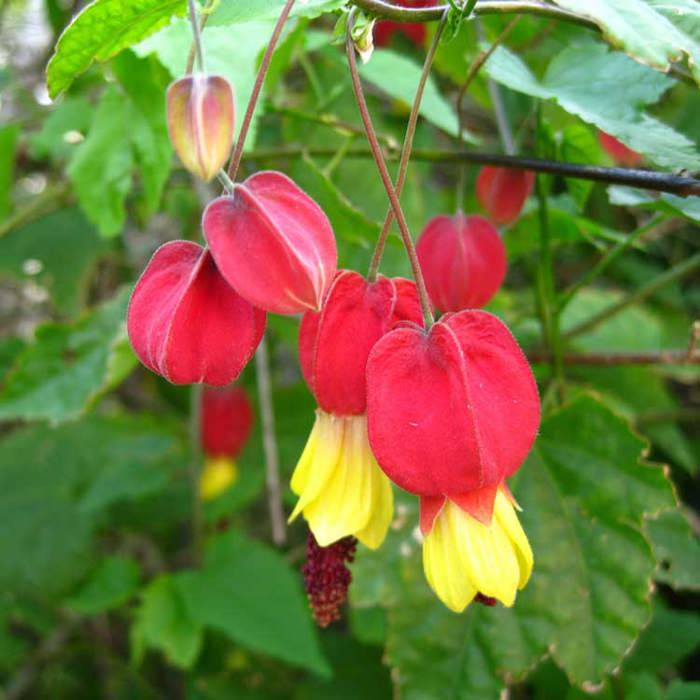
Abutilon megapotamicum Leggy Stems
eco Leggy Stems

Abutilon megapotamicum – Leggy Stems

Why does your Abutilon megapotamicum have leggy stems? Diagnose the cause and fix it with our step-by-step guide.

pets Pet Friendly

search Possible Causes

error

Insufficient Light Intensity

Abutilon megapotamicum is a light-loving species that requires bright, direct or dappled sunlight. When light levels are low, the plant undergoes etiolation, stretching its internodes to reach for a light source.

Very Common
lightbulb
How to confirm: Observe if the stem elongation is occurring specifically toward a window or away from bright areas.
build How to fix it
shopping_cart Recommended Products
1 Increase light exposure by moving the plant to a brighter location that receives direct or dappled sunlight.
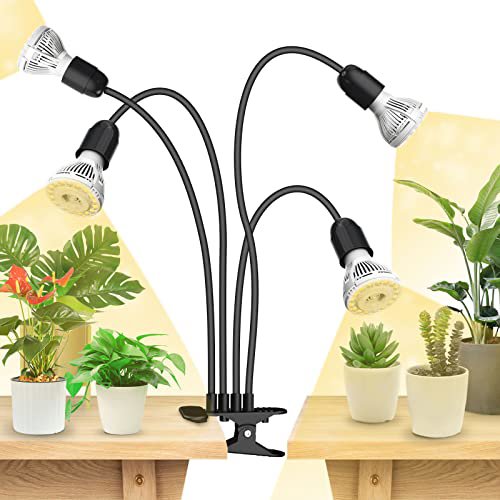
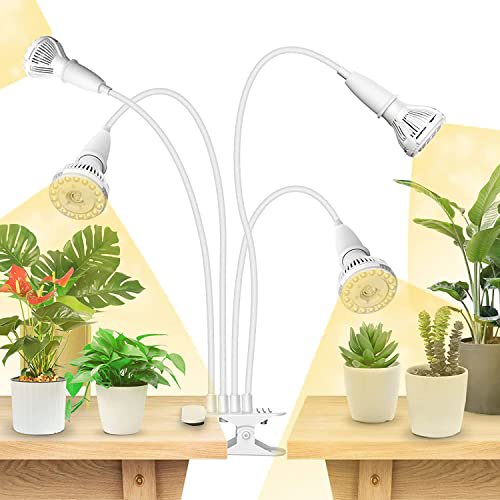
2 Supplement with a full-spectrum LED grow light to provide the necessary intensity for healthy stem development.
3 Prune the elongated, leggy stems using sharp shears to encourage bushier growth and more compact internodes.
warning

Nitrogen-Heavy Fertilization

Excessive application of high-nitrogen fertilizers promotes rapid, succulent vegetative growth. This can result in weak, spindly stems that lack the structural lignin needed to support the weight of the lantern-like flowers.

Common
lightbulb
How to confirm: Check your fertilizer N-P-K ratio and see if recent applications have been high in Nitrogen.
build How to fix it
shopping_cart Recommended Products
1 Stop all high-nitrogen fertilization immediately to allow the plant to focus on structural development rather than rapid leafy growth.
2 Prune back the longest, weakest stems using sharp, clean shears to encourage bushier growth and reduce the weight on spindly branches.
3 Transition to a balanced or phosphorus-rich fertilizer to support stronger stem development and future flowering.
warning

Lack of Pruning/Deadheading

Without regular pinching back of growing tips, the plant can grow vertically with long, unbranched stems. This loss of apical dominance control leads to a sparse, leggy appearance rather than a bushy habit.

Common
lightbulb
How to confirm: Examine if the plant has many long, single stems without any lateral branching or side shoots.
build How to fix it
shopping_cart Recommended Products
1 Use sharp pruning shears to pinch back the growing tips of the long, leggy stems to encourage new lateral branching.
2 Remove any spent or dead flowers (deadheading) to redirect the plant's energy from seed production back into foliage and stem development.
3 Ensure the plant is receiving adequate light to prevent further stretching, and consider adding a grow light if indoor light levels are low.
warning

Inconsistent Watering Regimes

Erratic moisture levels can cause periods of rapid growth followed by stress. This physiological instability often results in weak cell wall development and elongated, flimsy stem structures.

Common
lightbulb
How to confirm: Monitor the soil moisture consistency to see if there is a pattern of extreme drying and soaking.
build How to fix it
shopping_cart Recommended Products
1 Stabilize the moisture levels by using a moisture meter to ensure the soil remains consistently damp but not waterlogged.
2 Prune back the elongated, weak stems to encourage denser, bushier growth and more robust stem development.
3 Apply a balanced liquid fertilizer to provide the nutrients necessary for stronger cell wall formation.

Other Abutilon megapotamicum problems

Your plant might also be experiencing one of these issues:

local_hospital All symptoms eco All plants with leggy stems
favorite