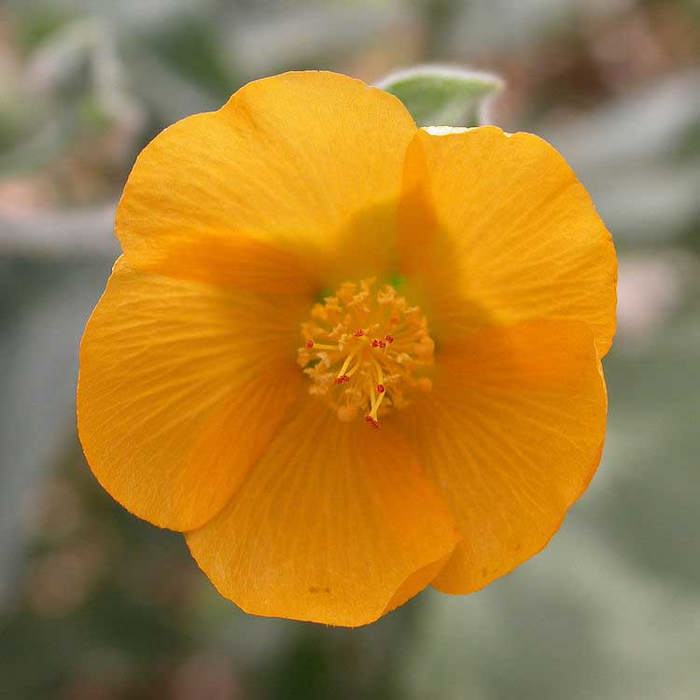
Abutilon palmeri Leggy Stems
eco Leggy Stems

Abutilon palmeri – Leggy Stems

Why does your Abutilon palmeri have leggy stems? Diagnose the cause and fix it with our step-by-step guide.

search Possible Causes

error

Insufficient Light Intensity

As a species adapted to sunny desert/subtropical environments, Abutilon palmeri will stretch its internodes (the space between leaves) to search for more photons. This results in long, weak, spindly stems that cannot support the plant's weight.

Very Common
lightbulb
How to confirm: Observe if the plant is leaning toward a window or if new growth appears much further apart than older foliage.
build How to fix it
shopping_cart Recommended Products
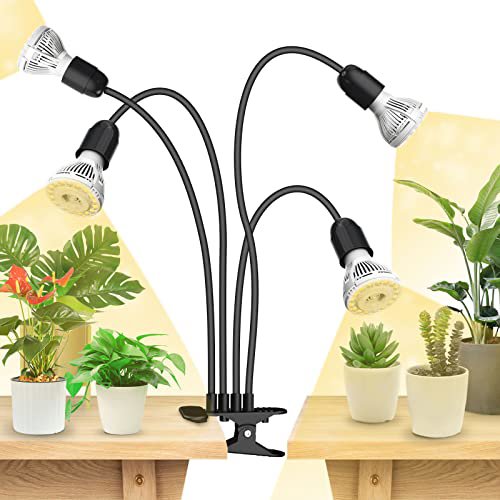
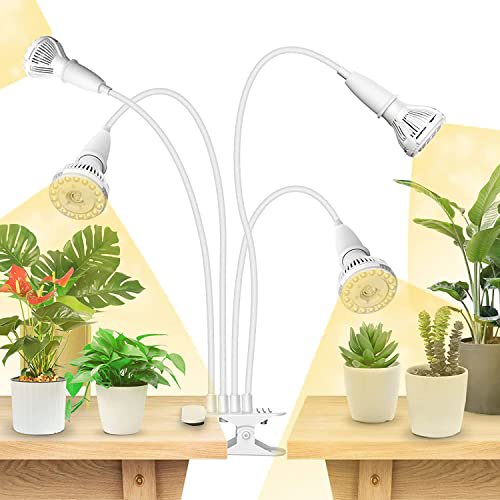
1 Increase light exposure by moving the plant to a brighter location or providing supplemental lighting to reduce stem stretching.
2 Use a full-spectrum grow light to mimic the intense sunlight of its native desert/subtropical environment.
3 Prune back the longest, weakest stems to encourage bushier growth and more compact internodes.
warning

Excessive Nitrogen Fertilization

A high concentration of nitrogen promotes rapid vegetative growth, but in Abutilon, this can lead to soft, succulent tissue that lacks structural lignin. This fast-tracked growth often results in a leggy appearance without sufficient stem thickness.

Common
lightbulb
How to confirm: Check your fertilizer label for high N-P-K ratios and look for very dark green, soft new leaves.
build How to fix it
shopping_cart Recommended Products
1 Stop all nitrogen-rich fertilization immediately to allow the plant to focus on structural development rather than rapid foliage growth.
2 Prune back the longest, weakest stems to encourage denser, sturdier growth and improve airflow through the canopy.
3 Transition to a balanced or lower-nitrogen fertilizer to support stem strength and lignin production.
warning

Improper Watering Regimes

Inconsistent moisture levels, particularly during the early growth stages, can stress the plant and cause irregular growth spurts. If the plant is allowed to dry out too much before being watered heavily, it may prioritize rapid upward stem elongation to find stability.

Common
lightbulb
How to confirm: Check if the soil moisture fluctuates wildly between bone-dry and saturated levels.
build How to fix it
shopping_cart Recommended Products
1 Stabilize the watering schedule by ensuring the soil remains consistently moist but not waterlogged, avoiding the cycle of extreme drying and heavy soaking.
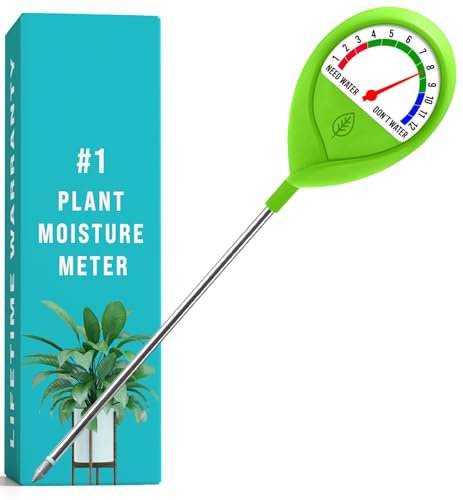
2 Monitor soil moisture levels deeply with a probe to ensure water reaches the root zone before the plant enters a drought-stress state.
3 Prune back the elongated, leggy stems to encourage bushier growth and more robust stem development.
warning

Temperature Fluctuations

Abutilon palmeri prefers stable, warm temperatures. Sudden drops in temperature can slow down metabolic processes, while excessive heat without adequate humidity can trigger a stress response characterized by elongated, thin stems.

Common
lightbulb
How to confirm: Monitor for recent exposure to cold drafts or extreme heat waves in your growing area.
build How to fix it
shopping_cart Recommended Products
1 Move your plant to a location with a stable temperature, avoiding drafts from windows or air conditioning vents.
2 Increase ambient humidity around the plant to reduce heat stress and prevent the stems from stretching.
3 Provide consistent, high-quality light to encourage shorter, sturdier stem growth and prevent further legginess.

Other Abutilon palmeri problems

Your plant might also be experiencing one of these issues:

local_hospital All symptoms eco All plants with leggy stems
favorite