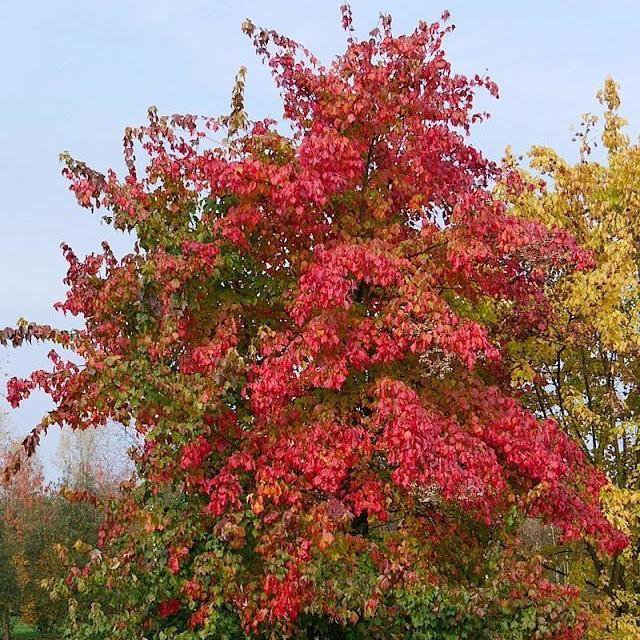
Acer buergerianum Fine Webbing
eco Fine Webbing

Acer buergerianum – Fine Webbing

Why does your Acer buergerianum have fine webbing? Diagnose the cause and fix it with our step-by-step guide.

pets Pet Friendly

search Possible Causes

error

Two-Spotted Spider Mite (Tetranychus urticae)

These arachnids thrive in hot, dry conditions and feed on the underside of Trident Maple leaves, injecting toxins that cause stippling. As the population grows, they spin fine silk webbing to protect themselves and their eggs.

Very Common
lightbulb
How to confirm: Hold a white piece of paper under a leaf and tap it sharply to see if tiny crawling specks fall onto the paper.
build How to fix it
shopping_cart Recommended Products
1 Apply an organic miticide or insecticide spray to the leaves, ensuring you coat the undersides where the mites reside, to eliminate existing pests and eggs.
2 Increase local humidity and reduce heat stress by misting the foliage regularly, as spider mites thrive in hot, dry environments.
3 Monitor soil moisture levels to ensure the plant is not under drought stress, which can make it more susceptible to infestations.
warning

Spider Mite Infestation (Tenuipalpus species)

While less aggressive than Two-Spotted mites, eriophyid mites can cause localized webbing and leaf deformation in Acer species. They are often more difficult to spot due to their microscopic size.

Common
lightbulb
How to confirm: Inspect the leaf margins for very fine, nearly invisible silk strands and look for slight leaf curling.
build How to fix it
shopping_cart Recommended Products
1 Apply an organic miticide or insecticide spray to the foliage to eliminate the microscopic mites and their eggs.
2 Thoroughly rinse the leaves with a strong stream of water to physically dislodge webbing and reduce the mite population.
3 Increase humidity around the plant, as spider mites thrive in dry environments; consider using a fine mist spray.
warning

Leafminer Larvae (Agromyzidae)

While primarily known for creating serpentine trails, heavy infestations can occasionally lead to secondary silken structures or debris that mimic fine webbing. This is a common pest in temperate Acer species.

Common
lightbulb
How to confirm: Look closely at the leaf surface for silvery, winding tracks inside the leaf tissue rather than just on top.
build How to fix it
shopping_cart Recommended Products
1 Inspect the undersides of leaves for actual spider mites, as true webbing is a hallmark of mites rather than leafminers.
2 Apply an organic neem oil spray to the foliage to disrupt the life cycle of both leafminer larvae and secondary pests like mites.
3 Prune and dispose of heavily infested leaves to prevent the larvae from completing their development and spreading to new growth.

Other Acer buergerianum problems

Your plant might also be experiencing one of these issues:

local_hospital All symptoms eco All plants with fine webbing
favorite