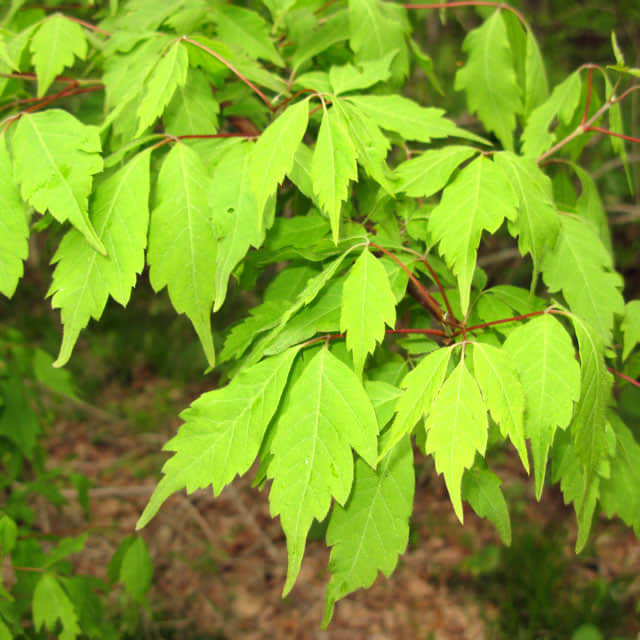
Acer cissifolium (Acer palmatum) Fine Webbing
eco Fine Webbing

Acer cissifolium (Acer palmatum) – Fine Webbing

Why does your Acer cissifolium (Acer palmatum) have fine webbing? Diagnose the cause and fix it with our step-by-step guide.

search Possible Causes

error

Two-Spotted Spider Mite Infestation

Spider mites thrive in hot, dry conditions and feed on the sap of Acer cissifolium leaves. Their feeding punctures the cells, causing stippling (small white spots) and leaving fine silken webs across the foliage.

Very Common
lightbulb
How to confirm: Hold a white piece of paper under a leaf and tap it sharply to see if tiny crawling specks fall onto the paper.
build How to fix it
shopping_cart Recommended Products
1 Apply an organic insecticide/miticide spray to the foliage to eliminate the spider mite population and destroy any remaining eggs or larvae.
2 Increase local humidity and reduce heat stress by misting the leaves regularly or using a pebble tray to discourage mite reproduction.
3 Monitor soil moisture levels to ensure the plant is not suffering from drought, as dry conditions accelerate mite infestations.
warning

Environmental Stress and Secondary Mite Activity

Severe drought stress in Acer cissifolium weakens the plant's natural defenses, making it significantly more susceptible to opportunistic mite populations. The webbing is a symptom of an existing pest population that has exploded due to lack of humidity.

Common
lightbulb
How to confirm: Check the moisture levels in the substrate and look for signs of leaf wilting or scorched margins.
build How to fix it
shopping_cart Recommended Products
1 Apply an organic miticide or insecticide to eliminate the mite population and remove the fine webbing from the foliage.
2 Increase local humidity around the plant and ensure consistent soil moisture to strengthen the plant's natural defenses against future pest outbreaks.
3 Monitor soil hydration levels regularly using a moisture meter to prevent the drought stress that triggers mite activity.
warning

Cyclamen Mite Infestation

While less common than spider mites, these microscopic pests can cause leaf distortion and fine webbing in Acer species. They specifically target the tender new growth of Ivy-leaved Japanese Maples during warmer months.

Common
lightbulb
How to confirm: Inspect the undersides of young, developing leaves for any signs of swelling or unusual puckering alongside the webbing.
build How to fix it
shopping_cart Recommended Products
1 Apply an organic miticide or insecticide spray to the plant to eliminate the mites and their eggs.
2 Prune and dispose of any heavily distorted or webbing-covered new growth to prevent the infestation from spreading to healthy foliage.
3 Increase humidity around the plant by misting the leaves regularly, as mites thrive in dry, warm conditions.

Other Acer cissifolium (Acer palmatum) problems

Your plant might also be experiencing one of these issues:

local_hospital All symptoms eco All plants with fine webbing
favorite