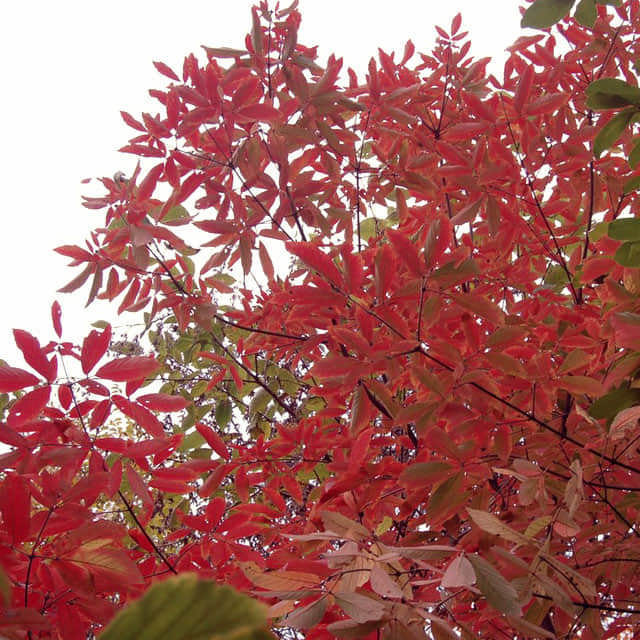
Why does your Acer maximowiczianum have fine webbing? Diagnose the cause and fix it with our step-by-step guide.
Spider mites thrive in the warm, dry conditions often experienced by Acer maximowiczianum, using piercing-sucking mouthparts to drain chlorophyll from leaf cells. The fine webbing is a protective silk structure created by the mite colonies as they multiply.
Common in many Acer species, these mites create very fine, almost invisible silk webs that can give the foliage a dusty or bronzed appearance. They are particularly active during periods of low humidity and high temperatures.
While primarily known for 'trails' in the leaf, certain stages of larval development or secondary fungal growths triggered by their feeding can sometimes appear as a messy, silken residue on the leaf surface.
Your plant might also be experiencing one of these issues:

 English
 Italiano