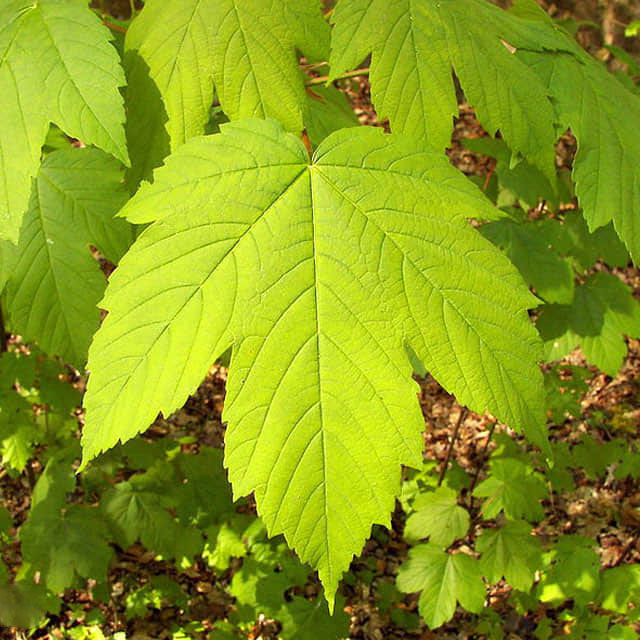
Acer pseudoplatanus Sticky Leaves
eco Sticky Leaves

Acer pseudoplatanus – Sticky Leaves

Why does your Acer pseudoplatanus have sticky leaves? Diagnose the cause and fix it with our step-by-step guide.

pets Pet Friendly

search Possible Causes

error

Aphid Infestation

Aphids feed on the sap of the Sycamore Maple, excreting a sugary substance known as honeydew. This sticky residue coats the leaves and can lead to the growth of black sooty mold.

Very Common
lightbulb
How to confirm: Inspect the undersides of the young leaves and terminal buds for small, soft-bodied insects.
build How to fix it
shopping_cart Recommended Products
1 Apply an organic insecticide to eliminate the aphid population and stop the production of honeydew.
2 Gently wash the leaves with a soft stream of water to remove the sticky residue and prevent sooty mold growth.
3 Inspect the undersides of leaves and new growth regularly to ensure the infestation does not return.
warning

Scale Insects

Scale insects attach themselves to the stems and leaf petioles of the Sycamore Maple, sucking nutrients and producing honeydew. Unlike aphids, these pests appear as stationary, bumpy growths.

Common
lightbulb
How to confirm: Look for small, scale-like bumps on the twigs or leaf stalks that do not move when disturbed.
build How to fix it
shopping_cart Recommended Products
1 Inspect the stems and leaf petioles for stationary, bumpy growths and remove visible scale insects manually using a soft brush or cloth.
2 Apply an organic insecticide spray to the tree to eliminate existing pests and prevent new infestations.
3 Wash the leaves with a gentle stream of water to remove the sticky honeydew residue and prevent the growth of sooty mold.
warning

Sooty Mold (Secondary Symptom)

While not the primary cause of stickiness, sooty mold grows on the honeydew left by sap-sucking insects. This black fungus can coat the Sycamore Maple leaves, reducing photosynthetic capacity.

Common
lightbulb
How to confirm: Check if the sticky residue is accompanied by a dark, powdery, or fuzzy black coating on the leaf surface.
build How to fix it
shopping_cart Recommended Products
1 Identify and treat the underlying sap-sucking insects (such as aphids or scale) that are producing the sticky honeydew.
2 Gently wash the black sooty mold off the leaves using a soft cloth or a gentle spray of water to restore photosynthetic capacity.
3 Monitor the plant's health and ensure no new pests appear by checking the undersides of leaves regularly.
warning

Tree Sap Leakage (Gummosis)

Physical damage to the bark or stress from pathogens can cause the tree to exude sap. This resinous fluid can harden and feel sticky on the leaves if it drips from above.

Common
lightbulb
How to confirm: Examine the main trunk and larger branches for any oozing droplets or cracks in the bark.
build How to fix it
1 Inspect the bark for physical wounds, cracks, or insect boring holes that may be causing the sap to leak.
2 Clean the sticky residue from the leaves using a soft cloth and water to prevent the buildup of sooty mold.
3 Apply a fungicide if you detect signs of fungal pathogens like Botryosphaeria, and ensure the tree is not under extreme drought stress.

Other Acer pseudoplatanus problems

Your plant might also be experiencing one of these issues:

local_hospital All symptoms eco All plants with sticky leaves
favorite
