Acer saccharum Fine Webbing
eco Fine Webbing

Acer saccharum – Fine Webbing

Why does your Acer saccharum have fine webbing? Diagnose the cause and fix it with our step-by-step guide.

pets Pet Friendly

search Possible Causes

error

Spider Mites (Tetranychidae)

Spider mites are the most common cause of fine silk webbing on Sugar Maples, especially during hot, dry periods. They feed on the underside of leaves, causing stippling (tiny white/yellow dots) and eventual leaf drop.

Very Common
lightbulb
How to confirm: Hold a white piece of paper under a leaf and tap it to see if tiny moving dots fall onto the paper.
build How to fix it
shopping_cart Recommended Products
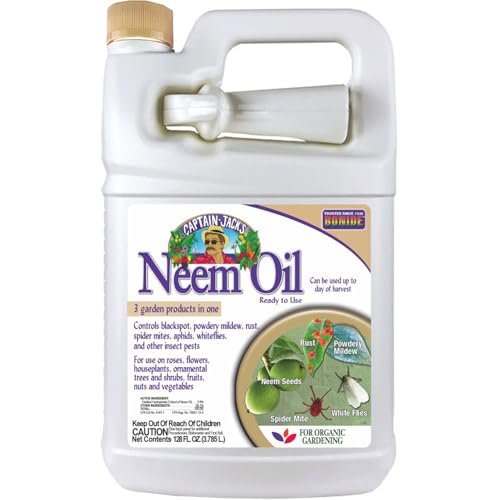
1 Apply an organic insecticide to eliminate existing spider mite populations, eggs, and larvae on the leaves and stems.
2 Increase local humidity around the tree by regular misting, as spider mites thrive in hot, dry conditions.
3 Thoroughly spray the undersides of the leaves with water to physically dislodge mites and remove webbing.
warning

Maple Spittlebug (Philaenus spumarius)

While more known for 'spittle' or foam, certain stages of nymph development can create fine, silken structures around leaf clusters. This is often accompanied by small feeding punctures on the leaf surface.

Common
lightbulb
How to confirm: Inspect the base of leaf petioles for any presence of white, bubbly foam or tiny nymphs.
build How to fix it
shopping_cart Recommended Products
1 Inspect the leaf clusters for any remaining foam or nymphs and physically remove them from the plant to prevent further feeding damage.
2 Apply an organic insecticide spray to the affected areas to eliminate any remaining nymphs or larvae.
3 Monitor the plant closely for new silken structures and treat with a targeted spray if the webbing reappears.
warning

Fall Webworm (Macaria)':

Although more common in other maple species, Fall Webworms can affect Acer saccharum by creating large, dense silk webs that encapsulate entire branch tips. This results in significant defoliation as larvae consume the foliage inside.

Common
lightbulb
How to confirm: Check if the webbing is localized to specific branch tips and contains visible caterpillars.
build How to fix it
shopping_cart Recommended Products
1 Manually remove and destroy the silk webs and any visible larvae from the branch tips to prevent further defoliation.
2 Apply an organic insecticide spray to the affected areas to target any remaining larvae or eggs.
3 Monitor the tree closely for new webbing and use a targeted spray if the infestation persists.

Other Acer saccharum problems

Your plant might also be experiencing one of these issues:

local_hospital All symptoms eco All plants with fine webbing
favorite