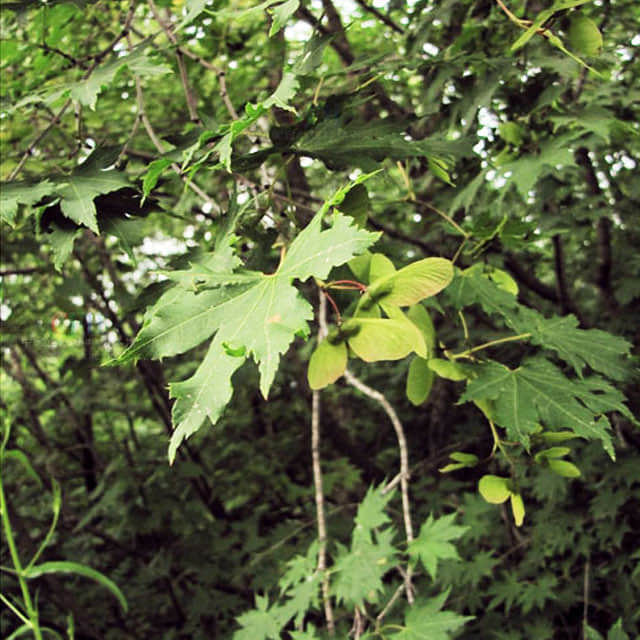
Acer sieboldianum Fine Webbing
eco Fine Webbing

Acer sieboldianum – Fine Webbing

Why does your Acer sieboldianum have fine webbing? Diagnose the cause and fix it with our step-by-step guide.

pets Pet Friendly

search Possible Causes

error

Two-Spotted Spider Mite Infestation

These tiny arachnids thrive in hot, dry conditions and feed on the sap of Acer sieboldianum leaves, leaving behind fine silk webs. As they multiply, you will notice stippling (small yellow dots) on the leaf surface.

Very Common
lightbulb
How to confirm: Hold a white piece of paper underneath a leaf and tap the leaf sharply to see if tiny crawling specks fall onto the paper.
build How to fix it
shopping_cart Recommended Products
1 Apply an organic miticide to eliminate the spider mite population and destroy eggs, larvae, and adults.
2 Increase local humidity and spray the foliage with water to disrupt the dry conditions spider mites prefer.
3 Monitor soil moisture levels to ensure the plant is not under drought stress, which can exacerbate mite infestations.
error

Spider Mite Mites (Tetranychidae) due to Drought Stress

While not a different species, environmental drought stress in Siebold's Maples weakens their natural defenses, making them hyper-susceptible to spider mite webbing. The fine web becomes more prominent as the tree struggles to regulate transpiration.

Very Common
lightbulb
How to confirm: Check if the soil is bone-dry and if the leaves are also showing signs of curling or crisping at the edges.
build How to fix it
shopping_cart Recommended Products
1 Apply an organic miticide to eliminate the spider mite population and destroy existing webbing.
2 Increase humidity and soil moisture to alleviate drought stress, as dry conditions trigger mite outbreaks.
3 Ensure the tree is in a well-draining environment to prevent root rot while maintaining consistent hydration.
warning

Fall Webworm

Though more common in other maple species, Fall Webworms can create dense, larger silk webs that envelop entire clusters of Acer sieboldianum foliage. This differs from spider mites as the webbing is much thicker and contains visible caterpillars.

Common
lightbulb
How to confirm: Inspect the webs closely for the presence of small, green caterpillars moving within the silk structure.
build How to fix it
shopping_cart Recommended Products
1 Manually remove the silk webs and any visible caterpillars from the foliage to prevent further defoliation.
2 Apply an organic insecticide spray to target any remaining larvae and protect the tree from future infestations.
3 Monitor the tree regularly for new webbing or caterpillar presence, especially during late summer and autumn.

Other Acer sieboldianum problems

Your plant might also be experiencing one of these issues:

local_hospital All symptoms eco All plants with fine webbing
favorite