Acer spicatum Fine Webbing
eco Fine Webbing

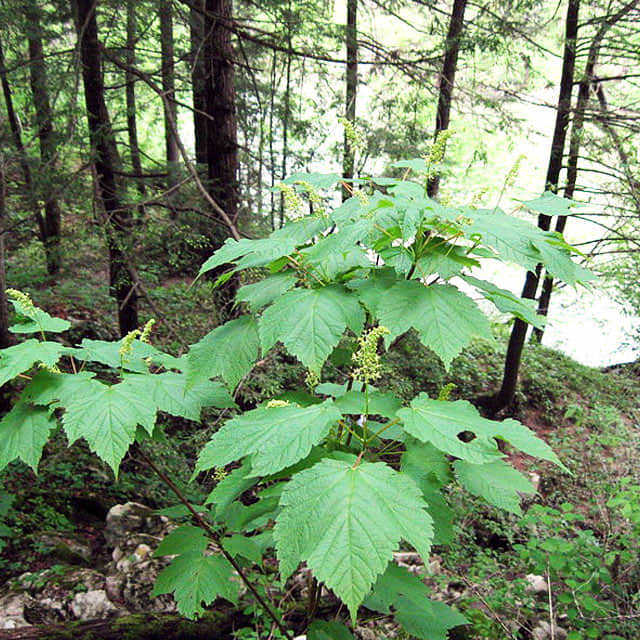
Acer spicatum – Fine Webbing

Why does your Acer spicatum have fine webbing? Diagnose the cause and fix it with our step-by-step guide.

pets Pet Friendly

search Possible Causes

error

Spider Mites (Tetranychidae)

Spider mites are the most common cause of fine webbing on Mountain Maple. These tiny arachnids pierce plant cells to suck out sap, leading to stippling on leaves and the production of silk webs for protection.

Very Common
lightbulb
How to confirm: Hold a white piece of paper under a leaf and tap it to see if tiny specks fall off and begin crawling.
build How to fix it
shopping_cart Recommended Products
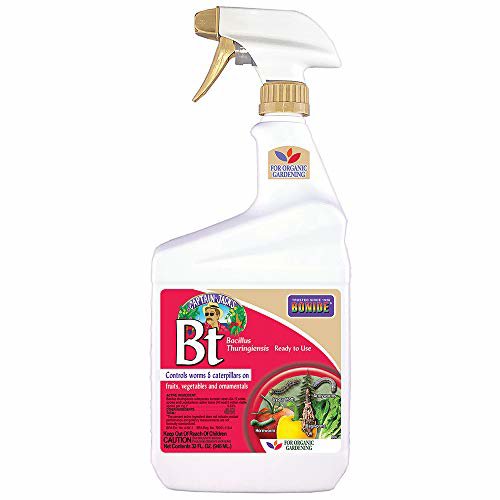
1 Apply an organic miticide to eliminate existing spider mite populations, eggs, and larvae on the foliage.
2 Thoroughly spray the undersides of the leaves with water to physically dislodge webbing and mites from the plant.
3 Increase local humidity around the maple to create an environment that is less favorable for spider mite reproduction.
error

Spider Mite Egg Sacs (Late Stage Infestation)

In more advanced infestations, the webbing becomes dense and structural as mites create protective clusters for their eggs. This can cause larger patches of chlorosis (yellowing) on the Acer spicatum foliage.

Very Common
lightbulb
How to confirm: Inspect the undersides of leaves for small, yellowish-white dots and thicker silk clusters.
build How to fix it
shopping_cart Recommended Products
1 Apply an organic miticide/insecticide spray to the foliage to eliminate existing mites and destroy the protective egg sacs.
2 Physically remove dense webbing and infested leaves using a soft brush or cloth to reduce the mite population density.
3 Increase humidity around the plant by misting the leaves regularly, as spider mites thrive in dry environments.
warning

Leaf Roller Caterpillars

Certain moth larvae species create silken shelters by rolling or webbing leaf edges together to feed safely. While less common than mites, this results in distinct folded leaves covered in silk.

Common
lightbulb
How to confirm: Gently pull apart the webbed leaf edges to check for small green caterpillars inside.
build How to fix it
shopping_cart Recommended Products
1 Manually remove and destroy any visible silk-wrapped leaves or caterpillars to stop the immediate feeding damage.
2 Apply an organic insecticide to the foliage to target any remaining larvae and prevent further egg hatching.
3 Monitor the plant regularly using a fine mist to check for new webbing or movement within the leaf folds.

Other Acer spicatum problems

Your plant might also be experiencing one of these issues:

local_hospital All symptoms eco All plants with fine webbing
favorite