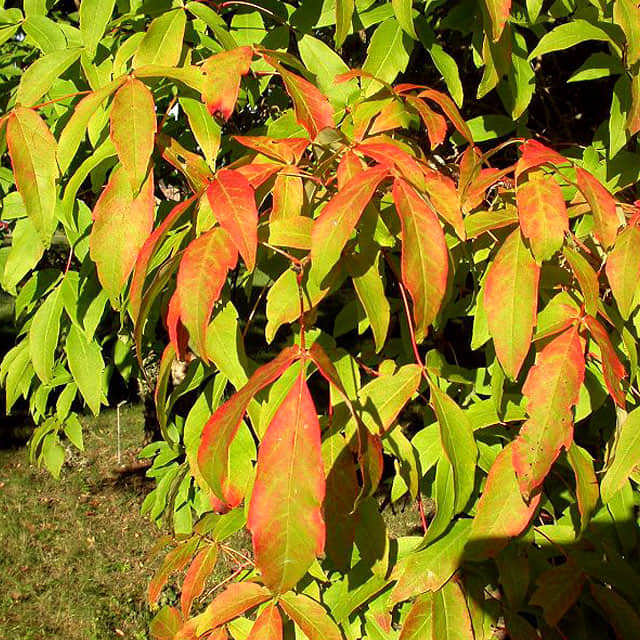
Acer triflorum Fine Webbing
eco Fine Webbing

Acer triflorum – Fine Webbing

Why does your Acer triflorum have fine webbing? Diagnose the cause and fix it with our step-by-step guide.

search Possible Causes

error

Spider Mites (Tetranychidae)

The most frequent cause of fine webbing on Acer triflorum is a mite infestation, often triggered by hot, dry conditions. These microscopic arachnids pierce plant cells to feed, leading to stippling and the characteristic silk webs.

Very Common
lightbulb
How to confirm: Hold a white piece of paper under a leaf and tap the leaf sharply to see if tiny specks fall onto the paper.
build How to fix it
shopping_cart Recommended Products
1 Apply an organic miticide or insecticide to the foliage to eliminate the spider mite population and destroy eggs.
2 Increase humidity around the plant and avoid hot, dry conditions, as spider mites thrive in arid environments.
3 Gently spray the leaves with a strong stream of water to physically dislodge mites and webbing from the plant.
warning

Spotted Psyllid (Acerificola aceris)

Psyllids can produce fine, silk-like secretions and webbing while feeding on the sap of maple species. This often accompanies stunted growth and leaf distortion in young Acer triflorum specimens.

Common
lightbulb
How to confirm: Inspect the undersides of new growth for small, jumping insects or sticky honeydew residue.
build How to fix it
shopping_cart Recommended Products
1 Apply an organic insecticide spray to the foliage to eliminate the psyllid population and disrupt their life cycle.
2 Prune and dispose of any heavily distorted or infested leaves to prevent the spread of webbing to healthy parts of the tree.
3 Monitor the tree regularly using a fine mist to check for new larvae or webbing emergence.
warning

Leaf Miner Larvae (Argyrotata species)

While primarily known for trails within leaves, some lepidopteran larvae can create silk-like webbing as they move between leaf edges or pupate. This is often accompanied by visible necrotic blotches on the Acer foliage.

Common
lightbulb
How to confirm: Look for winding, translucent paths (mines) inside the leaf tissue near the webbed areas.
build How to fix it
shopping_cart Recommended Products
1 Inspect the leaves for active larvae and remove any heavily infested or necrotic foliage to prevent further spread.
2 Apply an organic insecticide spray to eliminate larvae and protect healthy leaves from future feeding.
3 Monitor the plant closely for new webbing or trails, and use a moisture meter to ensure the tree is not under drought stress, which can weaken its defenses.

Other Acer triflorum problems

Your plant might also be experiencing one of these issues:

local_hospital All symptoms eco All plants with fine webbing
favorite