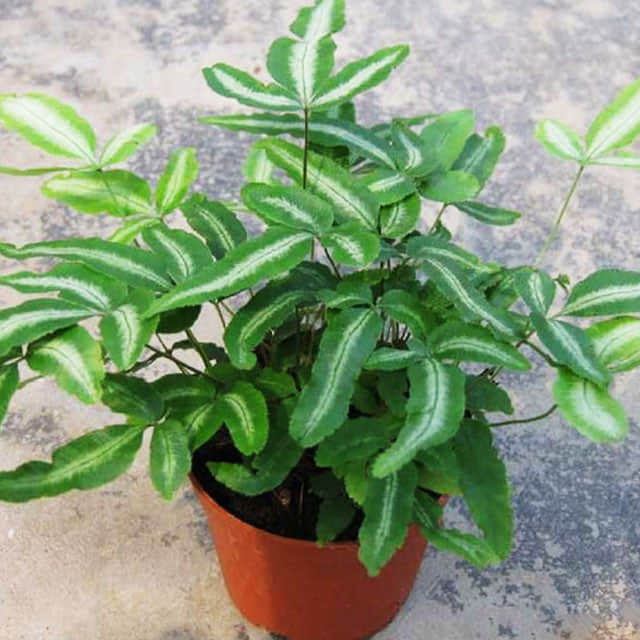
Adiantum capillus veneris Yellow Leaves
eco Yellow Leaves

Adiantum capillus veneris – Yellow Leaves

Why does your Adiantum capillus veneris have yellow leaves? Diagnose the cause and fix it with our step-by-step guide.

pets Pet Friendly

search Possible Causes

error

Low Humidity

Maidenhair ferns are highly sensitive to dry air; low humidity causes the delicate fronds to dehydrate and turn yellow before eventually browning. This is the most common issue in indoor environments with forced heating or cooling.

Very Common
lightbulb
How to confirm: Check if the tips of the fronds feel crisp or if the yellowing starts on the edges of the leaflets.
build How to fix it
shopping_cart Recommended Products
1 Increase local humidity by placing the fern on a pebble tray filled with water or using a fine mist spray bottle to hydrate the fronds.
2 Group your fern with other moisture-loving plants to create a humid microclimate, or use a humidifier nearby.
3 Monitor soil moisture levels closely to ensure the medium remains consistently damp but not waterlogged, as dry soil can exacerbate dehydration.
error

Inconsistent Watering (Drought Stress)

Adiantum species require consistently moist soil; allowing the root ball to dry out completely leads to rapid yellowing of the foliage. Unlike many other ferns, they have very little drought tolerance.

Very Common
lightbulb
How to confirm: Touch the soil surface to see if it has become bone-dry or pulled away from the edges of the pot.
build How to fix it
shopping_cart Recommended Products
1 Immediately check the soil moisture level to assess the depth of the drought stress.
2 Thoroughly water the plant until water drains from the bottom, ensuring the root ball is fully saturated.
3 To prevent future drying, consider using a self-watering system or a moisture-retaining substrate like sphagnum moss.
warning

Overwatering and Root Rot

While they like moisture, sitting in stagnant water prevents oxygen from reaching the fine, delicate roots. This leads to fungal decay and a characteristic pale yellowing of the entire frond.

Common
lightbulb
How to confirm: Gently lift the plant from its pot to check if the roots are dark, slimy, or have a foul odor.
build How to fix it
shopping_cart Recommended Products
1 Immediately stop watering and allow the soil to dry out significantly to prevent further fungal decay.
2 Repot the fern in a well-draining, airy medium like a mix of peat and perlite to restore oxygen to the root zone.
3 Inspect the roots and prune away any mushy, dark, or foul-smelling rot using sterilized shears.
warning

Nutrient Deficiency (Nitrogen)

If the soil is depleted of nitrogen, the plant cannot produce sufficient chlorophyll, resulting in an overall yellowing of older fronds. This often occurs in ferns kept in the same potting mix for multiple years.

Common
lightbulb
How to confirm: Observe if the yellowing is uniform across older leaves while new growth appears relatively green.
build How to fix it
shopping_cart Recommended Products
1 Apply a nitrogen-rich liquid fertilizer to boost chlorophyll production and restore green color to the fronds.
2 Repot the fern in fresh, nutrient-rich potting soil to replenish depleted minerals in the root zone.
3 Monitor soil moisture levels closely using a moisture meter to ensure the fern remains consistently damp but not waterlogged.

Other Adiantum capillus veneris problems

Your plant might also be experiencing one of these issues:

local_hospital All symptoms eco All plants with yellow leaves
favorite