Aeonium decorum f. variegata Drooping Leaves
eco Drooping Leaves

Aeonium decorum f. variegata – Drooping Leaves

Why does your Aeonium decorum f. variegata have drooping leaves? Diagnose the cause and fix it with our step-by-step guide.

pets Pet Friendly

search Possible Causes

error

Overwatering and Root Rot

Aeoniums are succulents that store water in their leaves; excessive moisture causes the roots to decay, preventing the plant from transporting water upward. This leads to turgor loss and characteristic drooping even if the soil is wet.

Very Common
lightbulb
How to confirm: Gently lift the plant from its pot to see if the roots are black, slimy, or foul-smelling.
build How to fix it
shopping_cart Recommended Products
1 Immediately remove the plant from the wet soil and inspect the roots for any mushy, black, or foul-smelling decay; prune away all rot using sterilized tools.
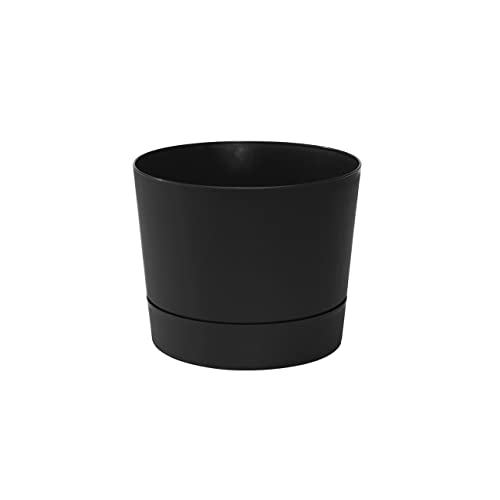
2 Repot the Aeonium in a fresh, well-draining succulent mix and use a container with excellent drainage, such as a Root & Vessel cylinder pot, to prevent future water pooling.
3 Amend the new potting medium with horticultural perlite to increase aeration and prevent soil compaction, which helps keep the root zone oxygenated.
error

Dehydration (Underwatering)

In high temperatures or low humidity, the fleshy leaves of Aeonium decorum lose moisture faster than they can absorb it. This results in a loss of turgidity and a limp, drooping appearance as the plant enters survival mode.

Very Common
lightbulb
How to confirm: Check the soil depth; if it is bone dry several inches down, the plant likely needs a deep soak.
build How to fix it
shopping_cart Recommended Products
1 Check the soil moisture level immediately using a moisture meter to confirm the depth of dehydration.
2 Thoroughly soak the soil with water, ensuring the medium is fully saturated to restore turgidity to the fleshy leaves.
3 Increase local humidity or move the plant to a cooler spot to slow down moisture loss through transpiration.
warning

Extreme Temperature Stress

While Aeoniums are hardy, sudden heatwaves or exposure to direct midday sun can cause the leaves to wilt to reduce surface area and transpiration. The variegated cells are also more sensitive to light stress than pure green varieties.

Common
lightbulb
How to confirm: Observe if the drooping occurs primarily during the hottest part of the day and recovers at night.
build How to fix it
shopping_cart Recommended Products
1 Move the plant to a shaded or cooler location to protect the variegated leaves from direct midday sun and heat radiation.
2 Monitor soil moisture levels closely to ensure the plant is not drying out during the heatwave, but avoid waterlogging the roots.
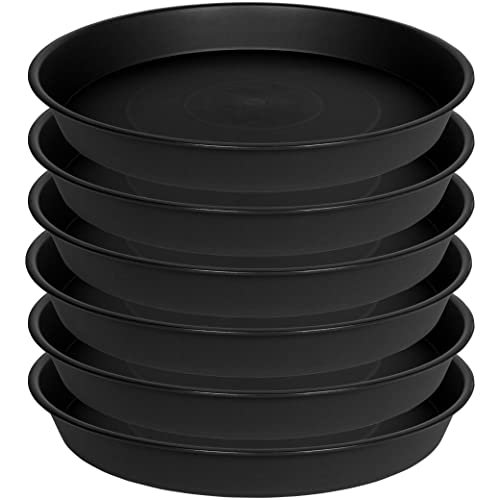
3 If the plant is in a container, consider using a saucer to catch excess water and maintain local humidity around the base.
warning

Nutrient Deficiency (Nitrogen)

A lack of essential nitrogen can prevent the plant from maintaining strong cellular structures, leading to weak stems and drooping foliage. This is common in long-term potted specimens where soil nutrients have been depleted.

Common
lightbulb
How to confirm: Look for signs of yellowing (chlorosis) on the older leaves in addition to the drooping.
build How to fix it
shopping_cart Recommended Products
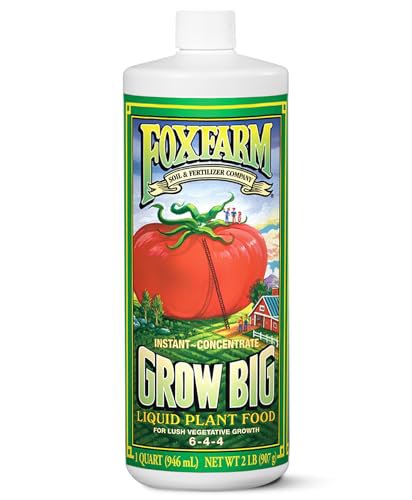
1 Apply a nitrogen-rich liquid fertilizer to replenish depleted soil nutrients and support cellular structure.
2 Check the soil moisture levels using a moisture meter to ensure the drooping isn't actually caused by underwatering.
3 Repot the plant in fresh, nutrient-dense potting soil to provide a long-term supply of essential minerals.

Other Aeonium decorum f. variegata problems

Your plant might also be experiencing one of these issues:

local_hospital All symptoms eco All plants with drooping leaves
favorite