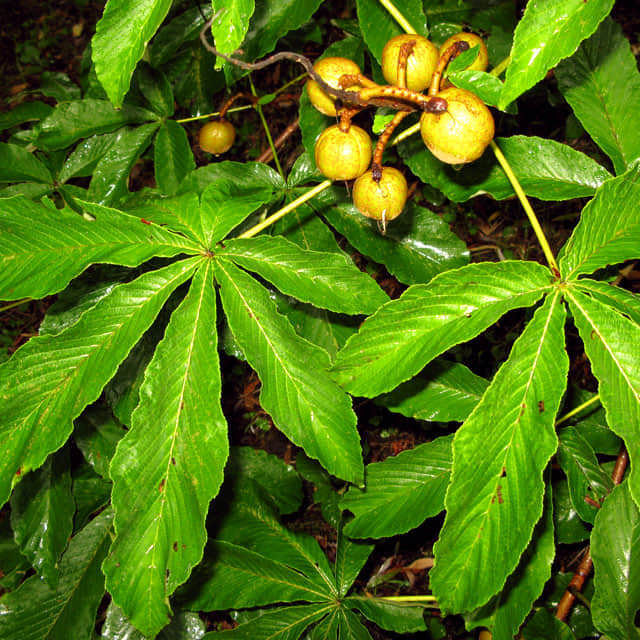
Aesculus turbinata Sudden Leaf Drop
eco Sudden Leaf Drop

Aesculus turbinata – Sudden Leaf Drop

Why does your Aesculus turbinata have sudden leaf drop? Diagnose the cause and fix it with our step-by-step guide.

search Possible Causes

error

Anthracnose (Guignardia aesculi)

This fungal pathogen is highly prevalent in Aesculus species, especially during humid conditions. It causes necrotic spots on leaves that can lead to premature defoliation as the tree attempts to shed infected tissue.

Very Common
lightbulb
How to confirm: Inspect the remaining leaves for dark, irregular blotches or lesions near the leaf margins.
build How to fix it
shopping_cart Recommended Products
1 Remove and destroy all fallen leaves and infected plant debris from the base of the tree to prevent the fungal spores from overwintering in the soil.
2 Apply an organic fungicide to the affected foliage to control the spread of the pathogen, especially during periods of high humidity.
3 Ensure proper air circulation around the tree by pruning crowded branches, which helps leaves dry faster and reduces the moist environment fungi thrive in.
error

Drought Stress

Himalayan Buckeye has a relatively high water demand and shallow root system. Severe lack of moisture triggers an emergency response where the tree drops leaves to reduce transpiration surface area.

Very Common
lightbulb
How to confirm: Check the soil moisture deep below the surface and observe if leaf edges appear crispy or wilted before dropping.
build How to fix it
shopping_cart Recommended Products
1 Immediately deep-water the base of the tree to rehydrate the shallow root system, ensuring the water reaches deep into the soil.
2 Monitor soil moisture levels regularly using a moisture meter to ensure the soil remains consistently moist but not waterlogged.
3 Apply a layer of organic mulch around the base of the tree to help retain soil moisture and regulate temperature.
warning

Root Rot (Phytophthora species)

Excessive soil moisture or poor drainage in the planting site can lead to fungal root decay. This compromises the tree's ability to transport water, resulting in sudden wilting and leaf drop.

Common
lightbulb
How to confirm: Check for standing water around the base of the trunk and examine if the bark at the soil line feels soft or dark.
build How to fix it
shopping_cart Recommended Products
1 Improve soil drainage immediately by aerating the root zone or adding horticultural perlite to the soil to prevent further water accumulation.
2 Reduce watering frequency and use a soil moisture meter to ensure the soil is not staying saturated, which prevents the spread of Phytophthora.
3 Apply a fungicide treatment to the affected area to combat the Phytophthora species and protect the remaining healthy root tissue.
warning

Environmental Shock (Temperature Fluctuations)

Rapid shifts from warm temperatures to sudden frost, or extreme heatwaves, can cause physiological stress. This disrupts the tree's metabolic processes, leading to a sudden shedding of foliage.

Common
lightbulb
How to confirm: Review recent local weather patterns for unseasonable temperature swings or extreme heat spikes.
build How to fix it
shopping_cart Recommended Products
1 Stabilize the environment by protecting the tree from further temperature extremes; use mulch around the base to insulate roots and provide shade during heatwaves.
2 Monitor soil moisture levels closely to ensure the tree is not experiencing drought stress during heat or waterlogging during cold/wet periods.
3 Apply a liquid seaweed fertilizer to help the tree recover from physiological stress and boost nutrient uptake.
local_hospital All symptoms eco All plants with sudden leaf drop
favorite