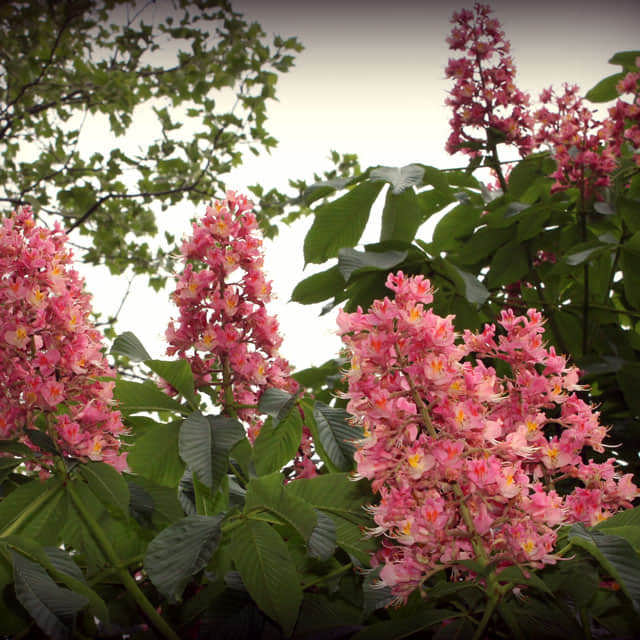
Aesculus x carnea Sudden Leaf Drop
eco Sudden Leaf Drop

Aesculus x carnea – Sudden Leaf Drop

Why does your Aesculus x carnea have sudden leaf drop? Diagnose the cause and fix it with our step-by-step guide.

search Possible Causes

error

Guerciaella aesculi (Horse Chestnut Leaf Miner)

Larvae of this moth mine between the leaf surfaces, creating necrotic blotches that cause leaves to die prematurely and drop. This is a highly common stressor for Aesculus species during mid-to-late summer.

Very Common
lightbulb
How to confirm: Inspect the underside of the leaves for irregular, brownish, translucent blotch patterns.
build How to fix it
shopping_cart Recommended Products
1 Prune and dispose of all heavily infested or fallen leaves to remove larvae and prevent them from overwintering in the soil or tree crevices.
2 Apply an organic insecticide spray to the foliage to target remaining larvae and prevent new egg clusters from hatching.
3 Monitor the tree's hydration levels using a moisture meter to ensure the tree remains strong enough to recover from the stress of leaf loss.
error

Drought Stress

Red Horse Chestnuts have high transpiration rates and shallow root systems; extreme dry spells trigger an emergency physiological response to conserve moisture by shedding foliage.

Very Common
lightbulb
How to confirm: Check the soil moisture depth 2-3 inches below the surface and look for overall wilting before the drop.
build How to fix it
shopping_cart Recommended Products
1 Immediately provide a deep, slow watering to the root zone to rehydrate the shallow root system and alleviate moisture deficit.
2 Monitor soil moisture levels closely using a meter to ensure the soil remains consistently moist but not waterlogged during this recovery period.
3 Apply a mulch layer around the base of the tree to reduce evaporation and help regulate soil temperature.
warning

Anthracnose (Guignardia aesculi)

Fungal pathogens thrive in humid, wet conditions, causing dark spots on leaves that eventually lead to premature senescence and leaf abscission.

Common
lightbulb
How to confirm: Look for dark, irregular necrotic spots on the leaf margins or center that expand rapidly.
build How to fix it
shopping_cart Recommended Products
1 Remove and destroy all fallen leaves and infected plant debris from the base of the tree to reduce the fungal spore load in the soil.
2 Apply an organic fungicide spray to the affected foliage to control the spread of the Guignardia aesculi pathogen.
3 Improve air circulation around the canopy and avoid overhead watering to ensure leaves dry quickly after rain or dew.
warning

Root Rot (Phytophthora)

Excessive soil moisture or poor drainage leads to fungal decay of the roots, impairing the tree's ability to support its large canopy, resulting in sudden defoliation.

Common
lightbulb
How to confirm: Examine the base of the trunk for dark, water-soaked lesions and check if the soil remains saturated for long periods.
build How to fix it
shopping_cart Recommended Products
1 Improve soil drainage immediately by aerating the root zone and ensuring the plant is not sitting in stagnant water.
2 Repot the tree into a container with superior drainage or amend the existing soil with horticultural perlite to increase aeration and prevent further decay.
3 Monitor soil moisture levels closely using a moisture meter to ensure the substrate is allowed to dry out between waterings, preventing future root rot.
local_hospital All symptoms eco All plants with sudden leaf drop
favorite