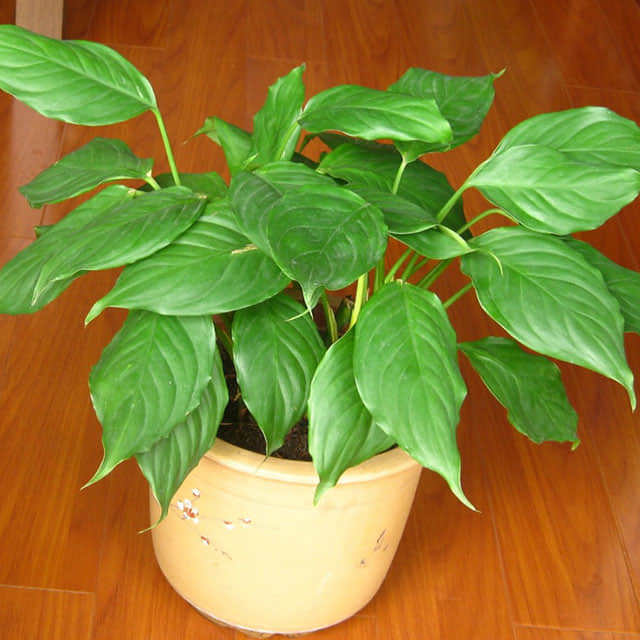
Why does your Aglaonema nitidum have yellow leaves? Diagnose the cause and fix it with our step-by-step guide.
Aglaonema nitidum is highly sensitive to moisture buildup; excessive water displaces oxygen in the soil, leading to fungal pathogens that decay the root system. This prevents the plant from transporting nutrients, resulting in generalized yellowing of older leaves.
A lack of available nitrogen prevents the synthesis of chlorophyll, which is vital for the glossy green pigment in Aglaonema. This typically manifests as a uniform yellowing that starts with the oldest leaves at the base of the plant.
While Aglaonema can tolerate low light, extremely dark conditions prevent the plant from maintaining its metabolic processes. Inadequate photosynthesis leads to a loss of chlorophyll and pale, yellowish foliage.
Aglaonema nitidum is a tropical species that thrives in warmth; exposure to drafts or temperatures below 60°F (15°C) can cause metabolic shock. This physiological stress often triggers the shedding of leaves through yellowing and softening.
Your plant might also be experiencing one of these issues:

 English
 Italiano