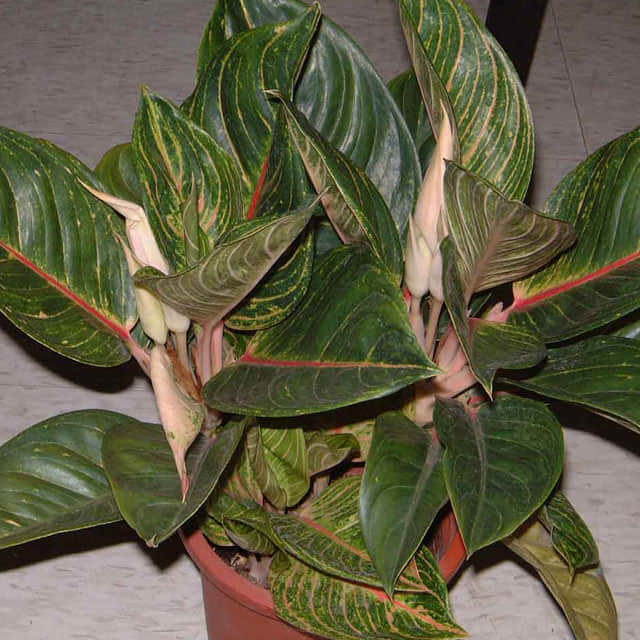
Aglaonema Leggy Stems
eco Leggy Stems

Aglaonema – Leggy Stems

Why does your Aglaonema have leggy stems? Diagnose the cause and fix it with our step-by-step guide.

search Possible Causes

error

Insufficient Light Exposure

Aglaonemas are shade-tolerant, but extreme low light levels trigger 'etiolation,' where the plant stretches its stems toward a light source to increase surface area for photosynthesis. This results in elongated, weak internodes and sparse foliage.

Very Common
lightbulb
How to confirm: Observe if the new growth is significantly paler or more spaced out than the older leaves near the base.
build How to fix it
shopping_cart Recommended Products
1 Move your Aglaonema to a spot with brighter, indirect light to stop the stems from stretching further.
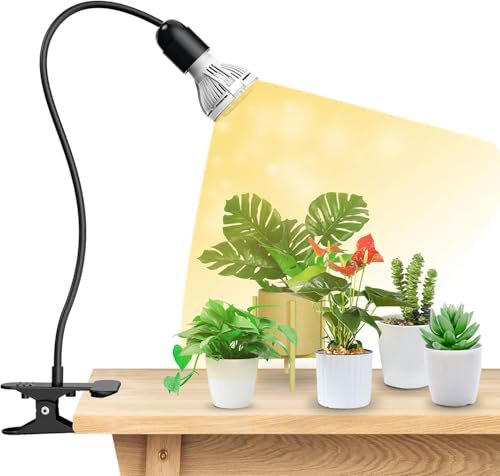
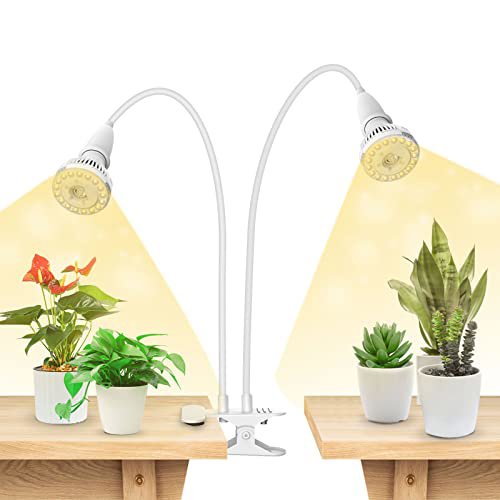
2 If natural light is insufficient, supplement with a full-spectrum LED grow light to provide the necessary energy for foliage density.
3 Prune the elongated, weak stems using sharp, clean shears to encourage more compact, bushy growth.
warning

Nutrient Deficiency (Nitrogen)

A lack of nitrogen prevents the plant from producing dense, robust foliage, often causing existing stems to appear spindly and unable to support heavy leaves. This can occur if the soil is depleted or if the potting medium is too old.

Common
lightbulb
How to confirm: Check for overall pale green or yellowish discoloration across the entire plant in addition to the stretching.
build How to fix it
shopping_cart Recommended Products
1 Apply a nitrogen-rich liquid fertilizer to stimulate lush, dense foliage growth and strengthen stems.
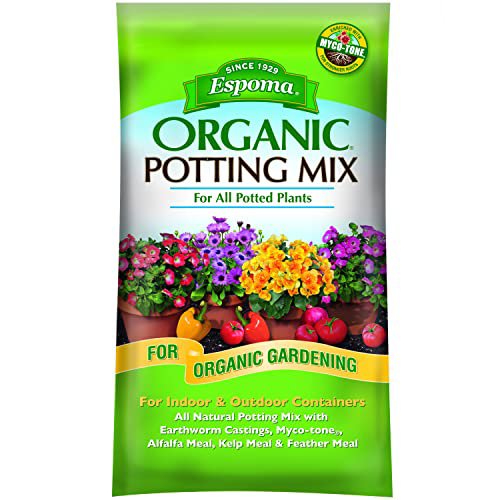
2 Check if the potting medium is depleted; if the soil is old, repot the plant in fresh, nutrient-rich organic potting soil.
3 Ensure the plant is receiving adequate indirect light to prevent further stretching or legginess.
warning

Inappropriate Pot Size (Root Bound)

When an Aglaonema becomes severely root-bound, the lack of space for root expansion limits the plant's ability to support structural growth, leading to stunted development and leggy, unstable stems.

Common
lightbulb
How to confirm: Gently lift the plant from its pot to see if roots are circling the perimeter or pushing against the container walls.
build How to fix it
shopping_cart Recommended Products
1 Gently remove the plant from its current container to inspect the roots for circling patterns. If the roots are tightly coiled, transplant the Aglaonema into a slightly larger pot with fresh, well-draining potting soil.
2 Ensure the new container has adequate drainage to prevent water retention, which can exacerbate root issues. You may use a saucer to catch excess moisture.
3 Apply a balanced liquid fertilizer to support new, healthy growth and help the plant recover from the stress of being root-bound.

Other Aglaonema problems

Your plant might also be experiencing one of these issues:

local_hospital All symptoms eco All plants with leggy stems
favorite