Allium cepa Medusa F1 Yellow Leaves
eco Yellow Leaves

Allium cepa Medusa F1 – Yellow Leaves

Why does your Allium cepa Medusa F1 have yellow leaves? Diagnose the cause and fix it with our step-by-step guide.

search Possible Causes

error

Nitrogen Deficiency

Onions are heavy feeders that require significant nitrogen for bulb and leaf development. Yellowing typically begins with the older, outer leaves as the plant remobilizes nitrogen to newer growth.

Very Common
lightbulb
How to confirm: Observe if the yellowing starts at the base of older leaves and check if the soil has been fertilized with a high-nitrogen source recently.
build How to fix it
shopping_cart Recommended Products
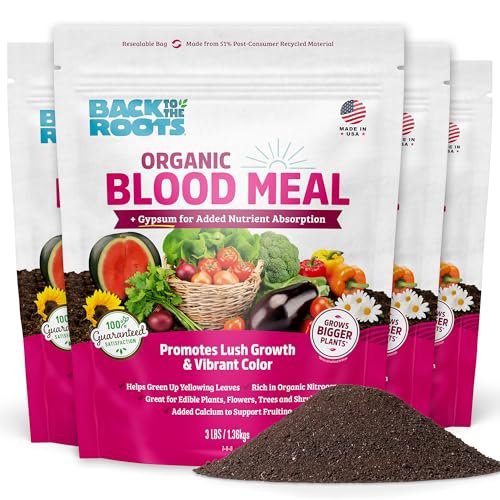
1 Apply a nitrogen-rich organic fertilizer to the soil to replenish essential nutrients for leaf and bulb development.
2 Ensure the plant receives consistent moisture to facilitate nutrient uptake, using a moisture meter to avoid overwatering.
error

Overwatering or Poor Drainage

Excessive moisture in the soil suffocates onion roots, leading to reduced oxygen uptake. This stress manifests as yellowing foliage and can eventually lead to bulb rot in Allium species.

Very Common
lightbulb
How to confirm: Press your finger into the soil about 2 inches deep to check if it remains saturated for extended periods.
build How to fix it
shopping_cart Recommended Products
1 Check the soil moisture levels immediately using a moisture meter to confirm if the root zone is saturated.
2 Repot the onion in a well-draining medium and ensure the container has adequate drainage holes to prevent water pooling.
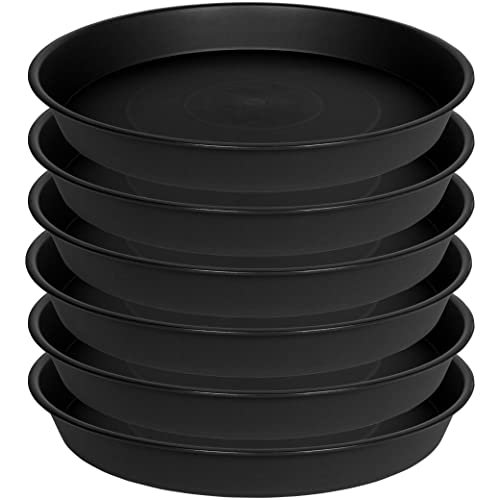
3 Place a drainage saucer underneath the pot to catch excess water, but ensure it is emptied regularly to avoid creating a reservoir.
warning

Allium Leaf Blight (Peronospora destructor)

This fungal pathogen causes yellowing of the leaves, often accompanied by water-soaked lesions or purplish spots. It thrives in cool, humid conditions common during the early growth stages of Medusa F1.

Common
lightbulb
How to confirm: Inspect the underside of the yellowed leaves for a fine, grayish fungal growth or fuzzy mold.
build How to fix it
shopping_cart Recommended Products
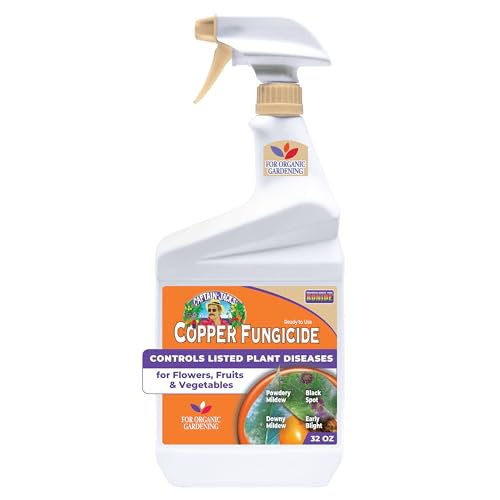
1 Apply an organic fungicide to control the spread of the fungal pathogen and protect healthy leaf tissue.
2 Improve air circulation around the plants and avoid overhead watering to reduce the humidity that promotes blight.
3 Remove and destroy any heavily infected leaves to prevent the pathogen from spreading to healthy onions.
warning

Temperature Stress (Heat Scorching)

Extreme-high temperatures can cause the leaf tips to turn yellow and then brown/necrotic. This is often a physiological response to prevent excessive transpiration in the onion's vascular system.

Common
lightbulb
How to confirm: Check if the yellowing coincides with recent heatwaves or periods of intense, direct midday sun.
build How to fix it
shopping_cart Recommended Products
1 Relocate the plant to a cooler area or provide afternoon shade to reduce exposure to extreme heat and prevent further leaf scorching.
2 Monitor soil moisture levels closely to ensure the plant remains hydrated during heat waves, using a moisture meter to prevent dehydration.
3 Apply a mulch layer around the base of the onion to help regulate soil temperature and retain essential moisture.

Other Allium cepa Medusa F1 problems

Your plant might also be experiencing one of these issues:

local_hospital All symptoms eco All plants with yellow leaves
favorite