Allium cepa Reks F1 Drooping Leaves
eco Drooping Leaves

Allium cepa Reks F1 – Drooping Leaves

Why does your Allium cepa Reks F1 have drooping leaves? Diagnose the cause and fix it with our step-by-step guide.

search Possible Causes

error

Water Stress (Drought or Waterlogging)

Onion bulbs require consistent moisture to maintain turgor pressure; severe drought causes wilting, while waterlogged soil creates anaerobic conditions that lead to root dysfunction. In Reks F1, this often manifests as a loss of structural integrity in the fleshy leaves.

Very Common
lightbulb
How to confirm: Insert your finger 2 inches into the soil to check if it is bone dry or excessively saturated.
build How to fix it
shopping_cart Recommended Products
1 Check the soil moisture level immediately using a moisture meter to determine if the plant is suffering from drought or waterlogging.
2 If the soil is bone dry, apply a deep, even watering to restore turgor pressure; if the soil is saturated, improve drainage by adding perlite or horticultural grit to the medium.
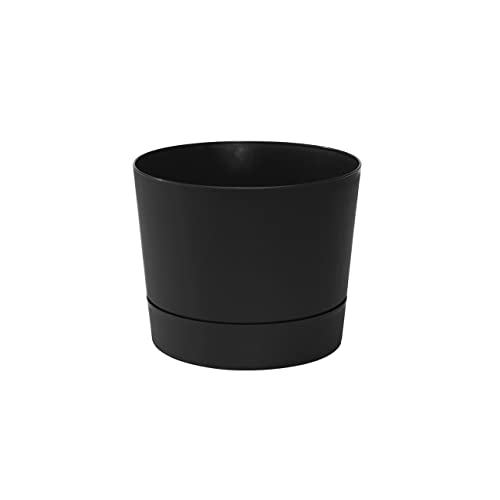
3 Ensure the onion is planted in a container with adequate drainage, such as a Root & Vessel pot with an integrated tray, to prevent future waterlogging.
error

Allium Leaf Blight (Peronospora destructor)

This fungal-like pathogen causes rapid collapse of onion leaves, often starting with water-soaked spots that turn into necrotic, drooping tissue. It thrives in high humidity and can quickly cause the entire foliage of a Reks F1 crop to wilt.

Very Common
lightbulb
How to confirm: Inspect the underside of the drooping leaves for a visible grayish-purplish fungal growth.
build How to fix it
shopping_cart Recommended Products
1 Remove and destroy all infected foliage immediately to prevent the pathogen from spreading to healthy onion plants.
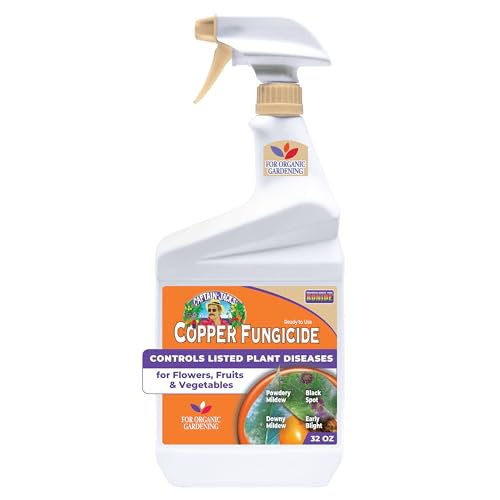
2 Apply an organic fungicide to protect remaining healthy tissue and manage the spread of the blight.
3 Improve air circulation around the plants and avoid overhead watering to reduce the high humidity that the pathogen thrives in.
warning

Nutrient Deficiency (Nitrogen)

A lack of available nitrogen prevents the formation of strong cell walls and chlorophyll, leading to pale, limp, and drooping foliage. Since onions are heavy feeders, a deficiency during the bulb enlargement stage is common.

Common
lightbulb
How to confirm: Observe if the leaves are turning a pale yellow color starting from the older, lower leaves.
build How to fix it
shopping_cart Recommended Products
1 Apply a nitrogen-rich organic fertilizer to the soil to boost chlorophyll production and strengthen cell walls.
2 Monitor soil moisture levels using a moisture meter to ensure the plant is not drooping due to dehydration.
3 Ensure the onion is planted in well-draining soil amended with organic matter to support heavy feeding.
warning

Onion Maggot Damage (Delia antiqua)

Larvae of the onion maggot feed on the developing bulb and the base of the leaves, destroying the plant's ability to transport water. This disruption leads to sudden, localized drooping of the leaf cluster.

Common
lightbulb
How to confirm: Gently pull on a drooping leaf to see if the base is loose or if you can find small white larvae near the bulb neck.
build How to fix it
shopping_cart Recommended Products
1 Inspect the base of the onion plants and the bulb for larvae; if maggots are found, remove and destroy the affected plants immediately to prevent spread.
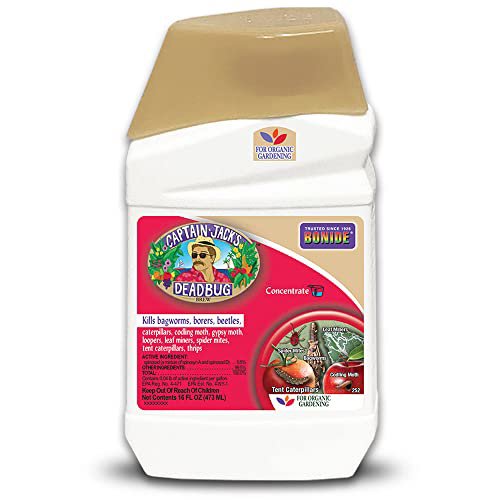
2 Apply an organic insecticide to control remaining larvae and prevent further infestation.
3 Use yellow sticky traps around the garden to capture adult flies before they can lay new eggs in the soil.

Other Allium cepa Reks F1 problems

Your plant might also be experiencing one of these issues:

local_hospital All symptoms eco All plants with drooping leaves
favorite