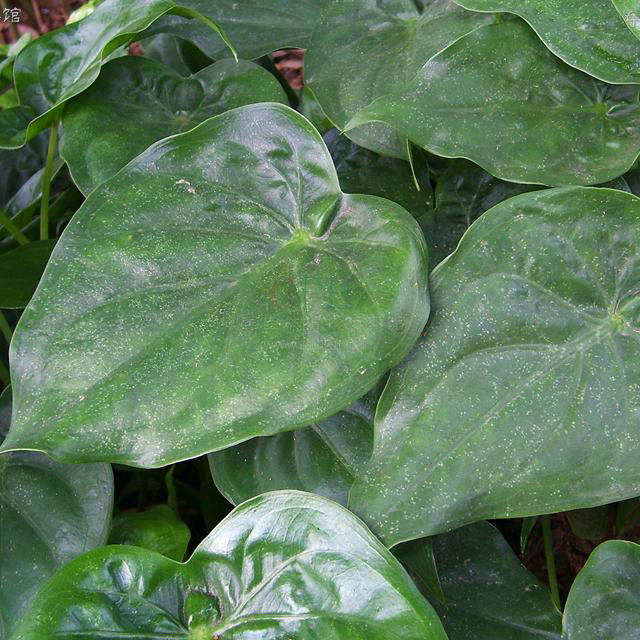
Why does your Alocasia cucullata have drooping leaves? Diagnose the cause and fix it with our step-by-step guide.
Alocasia cucullata is highly susceptible to fungal pathogens like Phytophthora when soil remains saturated. Excess moisture leads to oxygen deprivation in the rhizome, causing the leaves to lose turgor pressure and droop.
As tropical plants, they require consistent moisture; when the substrate dries out completely, the large leaf surface area leads to rapid transpiration, causing visible wilting.
The Duckbill Alocasia thrives in high humidity; dry indoor air can cause the edges of the leaves to crisp and the overall structure to sag due to moisture loss through stomata.
Sudden exposure to cold drafts or temperatures below 60°F (15°C) can cause the plant's metabolic processes to slow down, leading to temporary leaf limpness.
Your plant might also be experiencing one of these issues:

 English
 Italiano