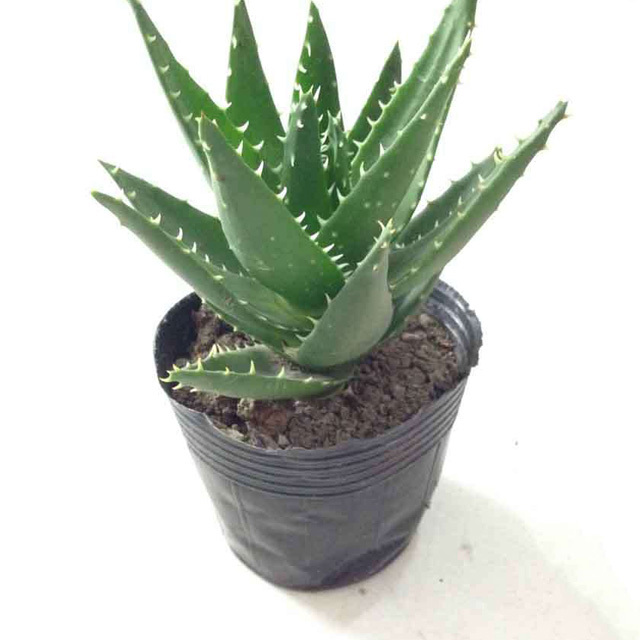
Aloe nobilis Yellow Leaves
eco Yellow Leaves

Aloe nobilis – Yellow Leaves

Why does your Aloe nobilis have yellow leaves? Diagnose the cause and fix it with our step-by-step guide.

search Possible Causes

error

Overwatering and Root Rot

Aloe nobilis is a succulent that stores water in its leaves; excessive soil moisture leads to anaerobic conditions, causing the roots to decay and preventing water uptake, which manifests as yellowing.

Very Common
lightbulb
How to confirm: Press the base of the leaves to see if they feel mushy or check if the soil remains damp several days after watering.
build How to fix it
shopping_cart Recommended Products
1 Immediately remove the plant from its current pot and inspect the roots; trim away any mushy, black, or foul-smelling roots using sterilized tools.
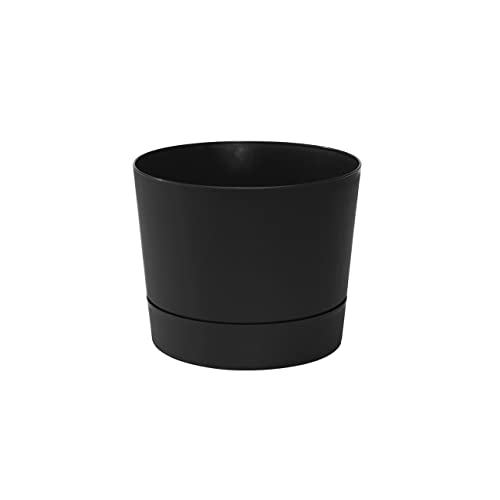
2 Repot the Aloe in a well-draining succulent mix and use a container with excellent drainage, such as a Root & Vessel cylinder pot, to prevent future water pooling.
3 Monitor the soil moisture levels closely using an analog moisture meter to ensure the soil is completely dry before watering again.
warning

Nutrient Deficiency (Nitrogen)

A lack of nitrogen prevents the plant from producing chlorophyll, leading to a general yellowing of older leaves as the plant redistributes nutrients to new growth.

Common
lightbulb
How to confirm: Observe if the yellowing starts on the oldest, bottom leaves while new growth remains green.
build How to fix it
shopping_cart Recommended Products
1 Apply a nitrogen-rich organic fertilizer to boost chlorophyll production and revitalize older leaves.
2 Monitor soil moisture levels with a meter to ensure the nitrogen-rich fertilizer is being absorbed effectively without causing root rot.
3 Ensure the plant is receiving adequate bright, indirect sunlight to support the metabolic processes required for nutrient uptake.
warning

Insufficient Light

While Aloe nobilis can tolerate some shade, prolonged lack of bright light disrupts photosynthesis and can cause the leaves to lose their vibrant green color and turn pale yellow.

Common
lightbulb
How to confirm: Check if the plant is located in a dark corner or if the leaves are appearing etiolated (stretched and thin).
build How to fix it
shopping_cart Recommended Products
1 Relocate your Aloe nobilis to a spot that receives bright, indirect sunlight to restore healthy photosynthesis.
2 Supplement with a full-spectrum grow light if natural light is insufficient to prevent further yellowing.
3 Monitor the soil moisture levels closely, as insufficient light often leads to slower water evaporation and potential root rot.
warning

Temperature Stress

Exposure to sudden cold drafts or temperatures below 50°F (10°C) can shock the plant's metabolism, causing the leaves to yellow as a stress response.

Common
lightbulb
How to confirm: Check if the plant is near a drafty window or an air conditioning vent.
build How to fix it
shopping_cart Recommended Products
1 Move your Aloe nobilis away from cold windows, doors, or air conditioning vents to a stable environment that stays above 50°F.
2 Monitor the soil moisture closely, as temperature fluctuations can disrupt watering needs; use a moisture meter to ensure the soil is drying out between waterings.
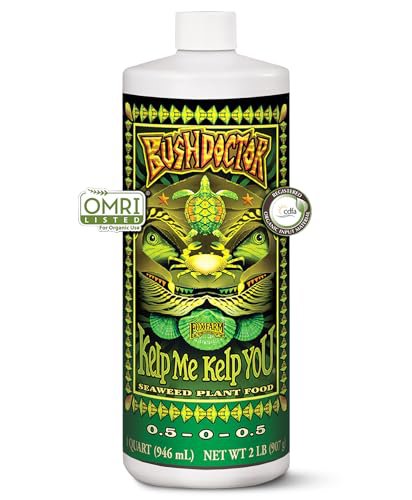
3 Apply a light feeding of liquid seaweed to help the plant recover from metabolic stress and boost nutrient uptake.

Other Aloe nobilis problems

Your plant might also be experiencing one of these issues:

local_hospital All symptoms eco All plants with yellow leaves
favorite