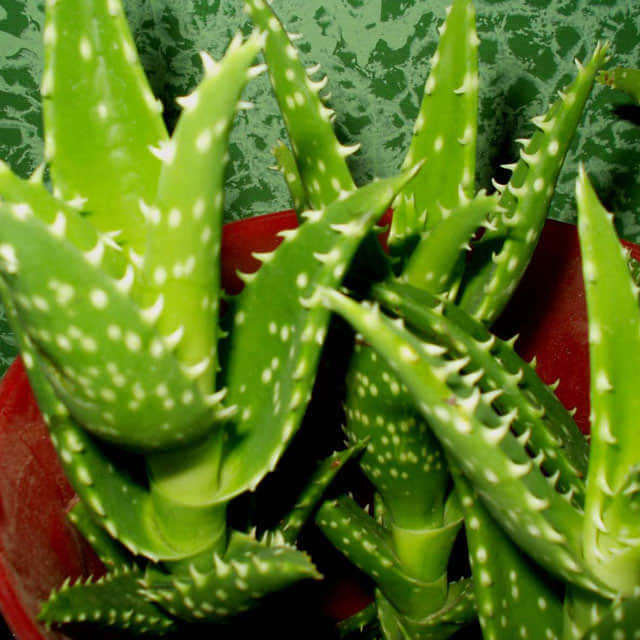
Aloe squarrosa Sudden Leaf Drop
eco Sudden Leaf Drop

Aloe squarrosa – Sudden Leaf Drop

Why does your Aloe squarrosa have sudden leaf drop? Diagnose the cause and fix it with our step-by-step guide.

search Possible Causes

error

Root Rot (Phytophthora or Pythium)

Excessive moisture in the substrate causes the roots of Aloe squarrosa to decay, making them unable to support the plant's structure and leading to rapid leaf abscission. This is the most common cause of sudden death in succulents.

Very Common
lightbulb
How to confirm: Gently lift the plant from its pot to check if the roots are dark, slimy, or have a foul odor.
build How to fix it
shopping_cart Recommended Products
1 Immediately remove the plant from its current pot and discard the waterlogged soil to stop the spread of rot.
2 Carefully trim away any mushy, black, or foul-smelling roots using sterilized tools and repot the Aloe in a well-draining, gritty substrate.
3 Use a new pot with excellent drainage and monitor moisture levels closely with a meter to ensure the soil dries out completely between waterings.
error

Temperature Shock/Frost Damage

Aloe squarrosa is not frost-hardy; exposure to temperatures near or below freezing causes cell wall rupture in the leaves, leading to rapid softening and dropping. Sudden drops in nighttime temperature are a primary trigger.

Very Common
lightbulb
How to confirm: Check if there was a recent cold snap or if the plant was placed near a drafty window.
build How to fix it
shopping_cart Recommended Products
1 Immediately move the plant to a warm, frost-free indoor environment to stabilize the temperature and prevent further cell damage.
2 Inspect the remaining leaves for soft, mushy spots and prune away any dead or severely damaged tissue using sterilized shears.
3 Avoid fertilizing or heavy watering until the plant has recovered from the shock and shows new growth.
warning

Nutrient Deficiency (Nitrogen)

A severe lack of nitrogen can cause the plant to undergo senescence, where it sheds older leaves to preserve resources for the core. This is often seen if the plant has been in the same depleted soil for several years.

Common
lightbulb
How to confirm: Observe if the leaf drop started with the oldest, bottom-most leaves turning yellow first.
build How to fix it
shopping_cart Recommended Products
1 Apply a nitrogen-rich organic fertilizer to replenish the depleted soil nutrients and stop the leaf shedding process.
2 Repot the Aloe in fresh, well-draining potting soil to provide a new reservoir of essential minerals.
3 Monitor the soil moisture levels using a moisture meter to ensure you are not overwatering, which can exacerbate nutrient leaching.
warning

Extreme Drought Stress

If the soil has remained bone-dry for an extended period, the plant will shed leaves to reduce transpiration and prevent total dehydration. This is a survival mechanism to protect the central meristem.

Common
lightbulb
How to confirm: Check the depth of the dryness by inserting a finger into the substrate to see if it is completely desiccated.
build How to fix it
shopping_cart Recommended Products
1 Check the soil moisture level immediately using a moisture meter to confirm if the substrate is completely desiccated.
2 Slowly rehydrate the plant by applying water until it drains from the bottom, ensuring the soil is thoroughly saturated without leaving the plant in standing water.
3 If the soil is extremely compacted or hydrophobic, repot the Aloe in a fresh, well-draining cactus/succulent mix containing perlite to improve water absorption.

Other Aloe squarrosa problems

Your plant might also be experiencing one of these issues:

local_hospital All symptoms eco All plants with sudden leaf drop
favorite