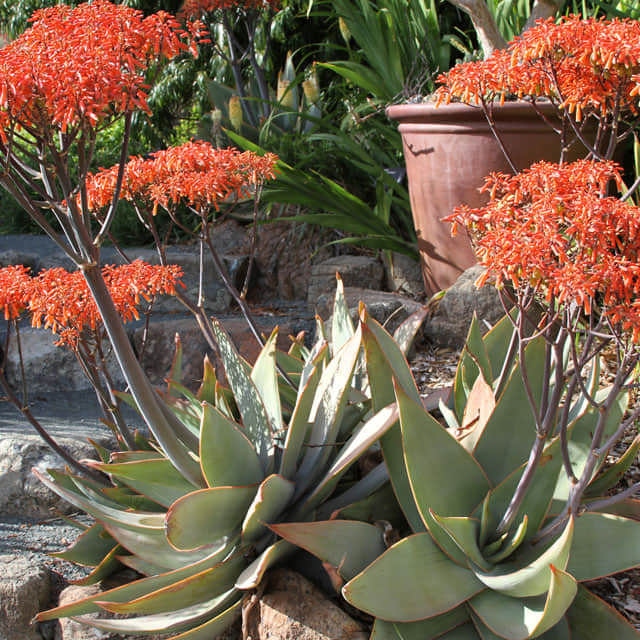
Aloe striata Drooping Leaves
eco Drooping Leaves

Aloe striata – Drooping Leaves

Why does your Aloe striata have drooping leaves? Diagnose the cause and fix it with our step-by-step guide.

search Possible Causes

error

Overwatering and Root Rot

Aloe striata is a succulent that requires well-draining soil; excessive moisture causes the roots to decay, preventing them from supporting leaf structure. As roots rot, the plant loses its ability to transport water upward, leading to limp, heavy leaves.

Very Common
lightbulb
How to confirm: Gently tug on the base of a leaf to see if it pulls away easily with a mushy, dark stem.
build How to fix it
shopping_cart Recommended Products
1 Immediately remove the plant from its current pot and inspect the roots; trim away any mushy, black, or foul-smelling roots using sterilized tools.
2 Repot the Aloe striata in a fresh, highly porous medium designed for succulents, such as a mix containing perlite or clay pebbles to ensure rapid drainage.
3 Use a moisture meter to monitor the soil and ensure you only water when the substrate is completely dry to prevent future rot.
error

Dehydration (Underwatering)

While more drought-tolerant than many plants, prolonged periods without water cause the leaves of this species to lose turgor pressure. The characteristic zebra stripes may also appear slightly more puckered or wrinkled.

Very Common
lightbulb
How to confirm: Check if the soil is bone-dry several inches deep and feel if the leaves feel thin or papery.
build How to fix it
shopping_cart Recommended Products
1 Thoroughly soak the soil to ensure moisture reaches the root zone, checking the depth of hydration with a moisture meter.
2 Check the soil moisture levels regularly using an analog monitor to prevent future dehydration cycles.
3 Ensure the plant is in a well-draining container to prevent water from pooling, which can lead to rot if the soil stays too wet after a deep soak.
warning

Temperature Stress (Cold Damage)

Aloe striata is sensitive to frost; exposure to temperatures near freezing can damage cell walls within the leaves. This cellular breakdown results in a loss of structural integrity and subsequent drooping.

Common
lightbulb
How to confirm: Look for dark, water-soaked spots on the leaves that may accompany the drooping.
build How to fix it
shopping_cart Recommended Products
1 Immediately move the plant to a warm, draft-free indoor location to prevent further cellular damage from cold temperatures.
2 Gently check the soil moisture with a meter to ensure the cold hasn't caused water to pool or the soil to remain overly saturated, which leads to rot.
3 Prune any leaves that have turned mushy or black due to frost damage using sterilized shears to prevent fungal spread.
warning

Nutrient Deficiency (Nitrogen)

A lack of essential macronutrients, particularly nitrogen, can weaken the plant's overall vigor and leaf strength. This often manifests as a pale color alongside the loss of upright posture.

Common
lightbulb
How to confirm: Observe if the leaves are turning a pale green or yellowish color in addition to drooping.
build How to fix it
shopping_cart Recommended Products
1 Apply a nitrogen-rich organic fertilizer to boost leaf strength and restore the plant's upright posture.
2 Check the soil moisture levels with a meter to ensure the drooping isn't actually caused by underwatering or overwatering.
3 Ensure the Aloe is planted in a well-draining medium, such as a mix containing perlite, to prevent root rot which can also cause drooping.

Other Aloe striata problems

Your plant might also be experiencing one of these issues:

local_hospital All symptoms eco All plants with drooping leaves
favorite