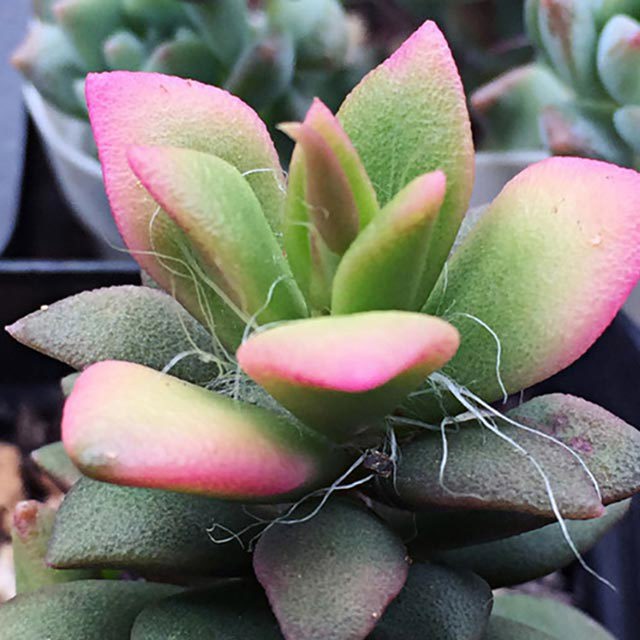
Anacampseros rufescens f. variegata Drooping Leaves
eco Drooping Leaves

Anacampseros rufescens f. variegata – Drooping Leaves

Why does your Anacampseros rufescens f. variegata have drooping leaves? Diagnose the cause and fix it with our step-by-step guide.

search Possible Causes

error

Overwatering and Root Rot

As a succulent, Anacampseros rufescens is highly susceptible to fungal pathogens like Phytophthora when soil remains saturated. Excessive moisture causes root tissue to decay, physically preventing the plant from transporting water to the leaves.

Very Common
lightbulb
How to confirm: Gently lift the plant from its pot to check if the roots are dark, slimy, or emitting a foul odor.
build How to fix it
shopping_cart Recommended Products
1 Immediately remove the plant from the saturated soil and inspect the roots for any mushy, black, or foul-smelling decay; prune away all rot using sterilized tools.
2 Repot the plant in a highly porous, well-draining substrate specifically designed for succulents, such as a mix containing perlite or clay pebbles to prevent future waterlogging.
3 Use a moisture meter to monitor the soil and ensure you only water when the substrate is completely dry to the touch, preventing further root suffocation.
error

Dehydration (Underwatering)

While more drought-tolerant than many plants, prolonged periods without water cause the turgor pressure in the fleshy leaves to drop. This leads to a visible loss of structural integrity and drooping.

Very Common
lightbulb
How to confirm: Check if the substrate is bone-dry several inches below the surface and if the leaves feel wrinkled or soft.
build How to fix it
shopping_cart Recommended Products
1 Immediately check the soil moisture level using a probe to confirm the depth of dehydration.
2 Thoroughly soak the soil with water until it drains from the bottom of the pot to restore turgor pressure to the fleshy leaves.
3 Ensure the plant is in a pot with excellent drainage and use a saucer to catch excess water, preventing future waterlogging.
warning

Temperature Stress (Cold Damage)

Anacampseros rufescens is sensitive to low temperatures. Exposure to frost or temperatures below 10°C (50°F) can cause cellular collapse, leading to limp, drooping foliage.

Common
lightbulb
How to confirm: Observe if the drooping coincided with a recent drop in night-time temperature or exposure to a drafty window.
build How to fix it
shopping_cart Recommended Products
1 Immediately move the plant to a warmer environment, ensuring temperatures remain consistently above 10°C (50°F) to prevent further cellular damage.
2 Monitor soil moisture closely using a moisture meter to ensure the plant is not being overwatered while in a stressed, non-transpiring state.
3 Apply a diluted dose of seaweed fertilizer to help the plant recover from environmental stress and boost nutrient uptake.
warning

Nutrient Deficiency (Nitrogen/Magnesium)

In rare cases, a lack of essential macronutrients can weaken the cell walls and metabolic processes required for leaf rigidity. This is most common in plants kept in sterile, depleted potting mixes for long periods.

Common
lightbulb
How to confirm: Inspect if the drooping is accompanied by chlorosis (yellowing) of the older leaves.
build How to fix it
shopping_cart Recommended Products
1 Apply a liquid seaweed fertilizer to boost nutrient uptake and support metabolic processes.
2 Supplement with a calcium and magnesium fertilizer to strengthen cell walls and improve leaf rigidity.
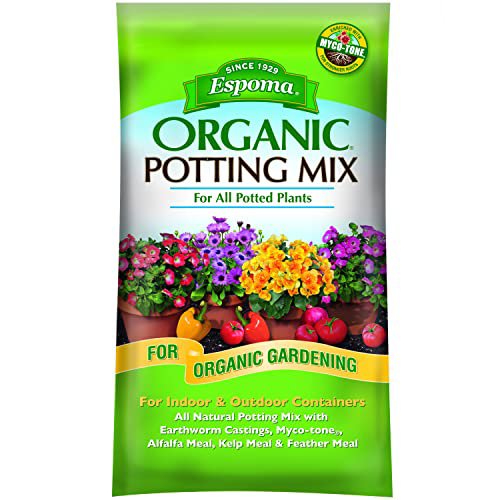
3 Refresh the growing medium with a nutrient-rich organic potting mix to replenish depleted soil.
local_hospital All symptoms eco All plants with drooping leaves
favorite