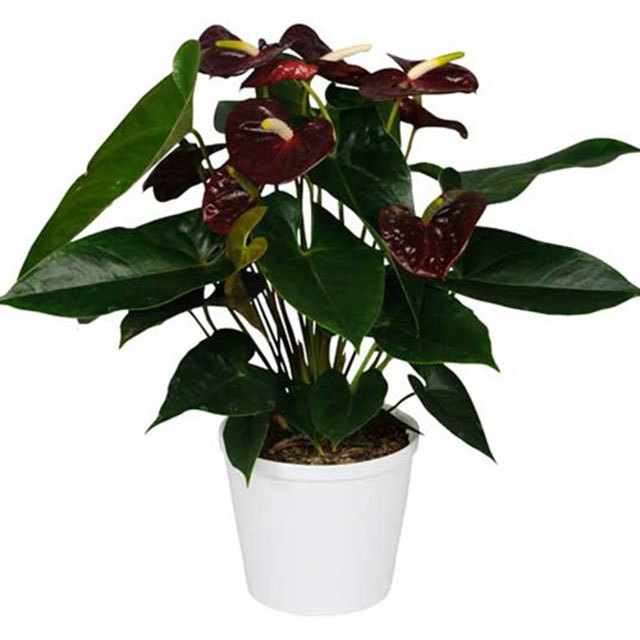
Anthurium andraeanum Aramon Fine Webbing
eco Fine Webbing

Anthurium andraeanum Aramon – Fine Webbing

Why does your Anthurium andraeanum Aramon have fine webbing? Diagnose the cause and fix it with our step-by-step guide.

search Possible Causes

error

Spider Mites (Tetranychidae)

The presence of fine webbing is a classic hallmark of spider mite infestations, which thrive in the warm, dry conditions often found with Anthuriums. These tiny arachnids pierce plant cells to suck out sap, leading to stippling and eventual leaf drop.

Very Common
lightbulb
How to confirm: Hold a white piece of paper under a leaf and tap the leaf sharply to see if tiny crawling dots fall onto the paper.
build How to fix it
shopping_cart Recommended Products
1 Immediately spray the plant with an organic insecticide/miticide to kill existing spider mites and their eggs.
2 Wipe the leaves with a damp cloth to physically remove webbing and dust, then increase local humidity to make the environment less hospitable for mites.
3 Monitor soil moisture levels to ensure the plant is not overly dry, as drought stress can exacerbate mite infestations.
warning

Low Humidity / Desiccation

While not producing webbing directly, extreme lack of humidity can cause leaves to become brittle and prone to micro-fractures that trap dust and debris, sometimes mimicking a web-like appearance. Anthurium andraeanum requires high ambient moisture to maintain leaf integrity.

Common
lightbulb
How to confirm: Check if the leaf edges are turning brown and crispy alongside the presence of webbing.
build How to fix it
shopping_cart Recommended Products
1 Increase ambient humidity around the plant to prevent leaf brittleness and desiccation.
2 Gently wipe the leaves with a damp cloth to remove any dust or debris that may be mimicking webbing.
3 Monitor soil moisture levels to ensure the plant is not experiencing drought stress alongside low humidity.
warning

Thrips Infestation

While thrips typically cause silvering or scarring rather than webs, heavy infestations can sometimes create a cluttered, debris-filled appearance on the leaf surface that looks like fine silk. They feed on the tender tissues of the flamingo flower's spathe and leaves.

Common
lightbulb
How to confirm: Look for tiny, slender black or yellow insects moving rapidly along the leaf veins or inside the spadix.
build How to fix it
shopping_cart Recommended Products
1 Apply an organic insecticide spray to the leaves and spathes to eliminate active thrips and prevent further feeding damage.
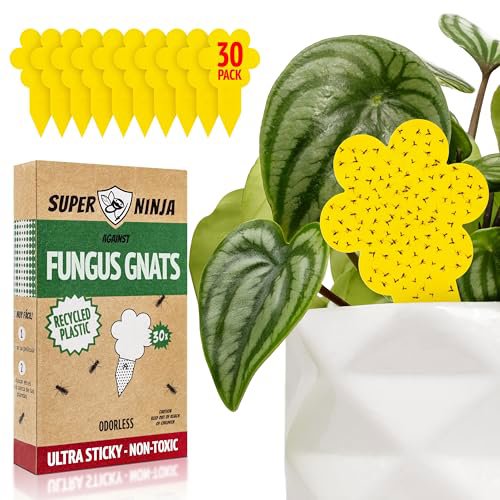
2 Place yellow sticky traps near the plant to capture adult thrips and monitor the severity of the infestation.
3 Wipe the leaves with a damp cloth to remove the fine webbing and debris, which helps disrupt the pest's environment.

Other Anthurium andraeanum Aramon problems

Your plant might also be experiencing one of these issues:

local_hospital All symptoms eco All plants with fine webbing
favorite