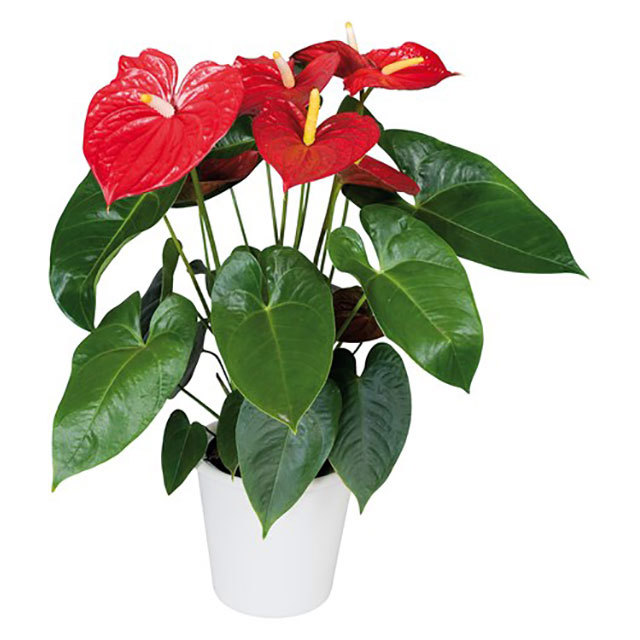
Why does your Anthurium andraeanum Edison have fine webbing? Diagnose the cause and fix it with our step-by-step guide.
Spider mites thrive in the warm, dry conditions often found around Anthurium Edison. They feed on the underside of leaves, injecting toxins that cause stippling and the production of characteristic fine silk webbing.
Anthurium Edison requires high humidity; when levels drop significantly, the plant's cuticle weakens, making it much more susceptible to opportunistic spider mite attacks that produce webbing.
While they do not produce visible webbing like spider mites, broad mite damage can sometimes be confused with webbed textures due to severe leaf deformation and scarring. They are microscopic and attack the newest growth of the Anthurium.
Your plant might also be experiencing one of these issues:

 English
 Italiano