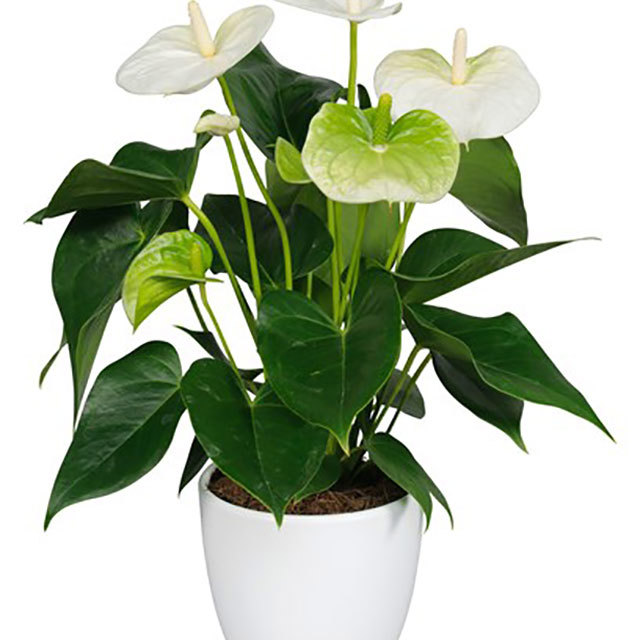
Why does your Anthurium andraeanum Eternity have fine webbing? Diagnose the cause and fix it with our step-by-step guide.
Spider mites thrive in the warm, dry conditions often preferred by Anthuriums. They pierce plant cells to feed on sap, leaving behind fine silk webbing as they build colonies across the leaf undersides.
In indoor environments, these mites can create dense webbing that traps dust and debris on the Anthurium foliage. This often results in chlorotic stippling (tiny yellow dots) on the leaves alongside the silk.
While not a direct cause of webbing, extremely low humidity levels in Anthurium environments act as a primary driver for spider mite outbreaks. The lack of moisture allows the webs to remain structurally intact and prevents natural predators from surviving.
Your plant might also be experiencing one of these issues:

 English
 Italiano