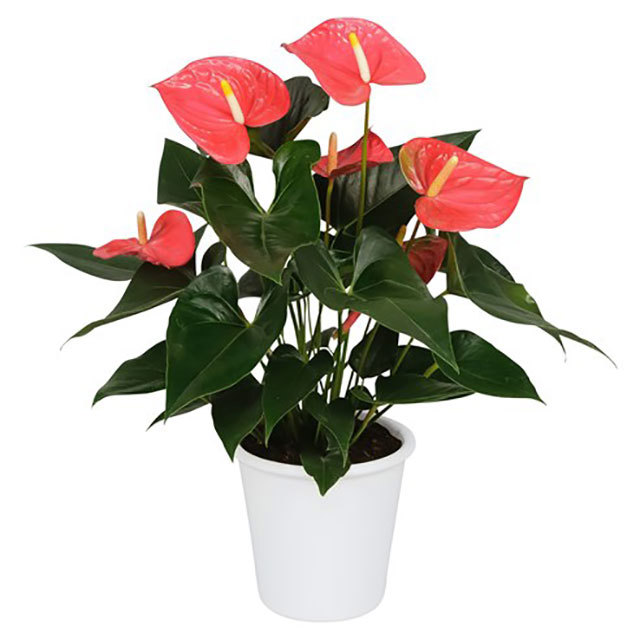
Anthurium andraeanum Maine Fine Webbing
eco Fine Webbing

Anthurium andraeanum Maine – Fine Webbing

Why does your Anthurium andraeanum Maine have fine webbing? Diagnose the cause and fix it with our step-by-step guide.

search Possible Causes

error

Spider Mites (Tetranychidae)

The presence of fine webbing is a classic hallmark of spider mite infestations, which thrive in the low-humidity environments often found with Anthuriums. These microscopic arachnids pierce plant cells to suck out sap, leading to stippling and eventual leaf drop.

Very Common
lightbulb
How to confirm: Hold a white piece of paper under a leaf and tap it sharply to see if tiny specks fall off and move.
build How to fix it
shopping_cart Recommended Products
1 Immediately spray the plant with an organic insecticide to eliminate existing spider mites, eggs, and larvae.
2 Increase local humidity around the Anthurium to make the environment less hospitable for future mite outbreaks.
3 Wipe down leaves with a damp cloth to physically remove webbing and any remaining pests from the leaf surfaces.
error

Two-Spotted Spider Mite Infestation (Severe)

If the webbing is dense and covering large areas of the foliage, it indicates a mature colony. In Anthuriums, this often results in the characteristic yellowing or bronzing of the leaves alongside the silk structures.

Very Common
lightbulb
How to confirm: Inspect the undersides of the leaves closely for tiny, moving reddish or yellowish dots.
build How to fix it
shopping_cart Recommended Products
1 Immediately spray the plant with an organic insecticide/miticide to kill the spider mite colony and remove existing webbing.
2 Isolate the infested Anthurium from other houseplants to prevent the mites from spreading to healthy plants.
3 Wipe the leaves with a damp cloth to physically remove dust and remaining mite eggs, and increase local humidity to make the environment less hospitable for mites.
warning

High Humidity/Fungal Mycelium

While less common than mites, certain fungal pathogens can create a fine, thread-like appearance on the leaf surface if the Anthurium's environment is excessively damp and lacks airflow. This can sometimes be confused with mite webbing.

Common
lightbulb
How to confirm: Check if the 'webbing' feels more like a fuzzy growth or mold rather than structured silk strands.
build How to fix it
shopping_cart Recommended Products
1 Increase airflow around the plant by using a small fan and reduce humidity to prevent fungal growth.
2 Apply an organic fungicide to treat the thread-like mycelium and protect healthy leaf tissue.
3 Ensure the plant is in a well-draining medium to prevent the root zone from staying excessively damp.

Other Anthurium andraeanum Maine problems

Your plant might also be experiencing one of these issues:

local_hospital All symptoms eco All plants with fine webbing
favorite