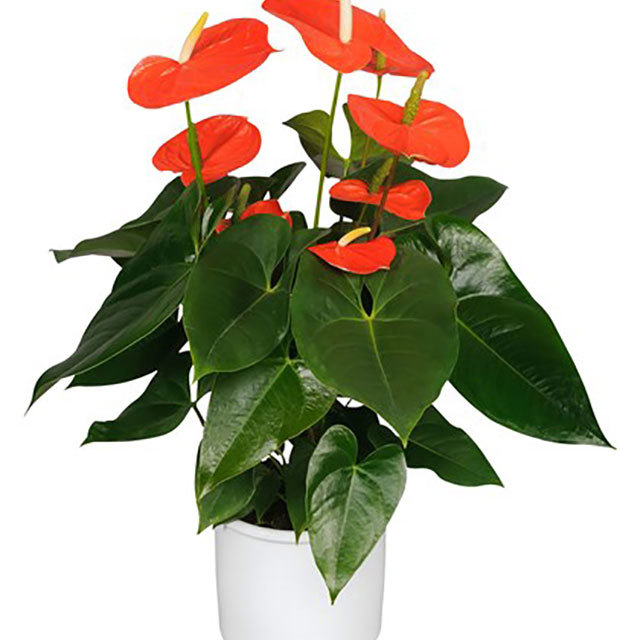
Anthurium andraeanum Nebraska Sudden Leaf Drop
eco Sudden Leaf Drop

Anthurium andraeanum Nebraska – Sudden Leaf Drop

Why does your Anthurium andraeanum Nebraska have sudden leaf drop? Diagnose the cause and fix it with our step-by-step guide.

search Possible Causes

error

Root Rot (Phytophthora/Pythium)

Overwatering or poor drainage causes the roots of the Anthurium Nebraska to suffocate and decay. As the root system fails, it can no longer support the plant's foliage, leading to rapid leaf senescence and drop.

Very Common
lightbulb
How to confirm: Gently lift the plant from its pot to check if the roots are dark brown, mushy, or emit a foul odor.
build How to fix it
shopping_cart Recommended Products
1 Immediately remove the plant from its current pot and carefully trim away all mushy, black, or foul-smelling decayed roots using sterilized shears.
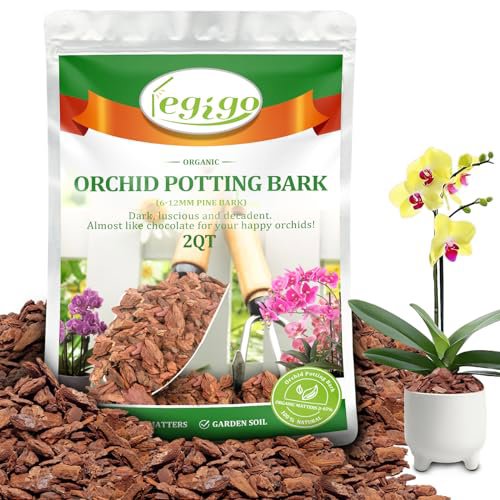
2 Repot the plant in a highly aerated, well-draining medium like a mix of orchid bark and perlite to prevent future suffocation.
3 Transition to a new container with excellent drainage and use a moisture meter to ensure you only water when the top inch of soil is dry.
error

Temperature Shock/Cold Stress

Anthuriums are tropical plants that thrive in consistent warmth. A sudden drop in temperature or exposure to drafts (such as air conditioning vents) triggers a stress response in the Nebraska variety, causing it to shed leaves to conserve energy.

Very Common
lightbulb
How to confirm: Check if the plant is positioned near a window, door, or AC vent where it might be exposed to cold air.
build How to fix it
shopping_cart Recommended Products
1 Immediately move the plant away from cold drafts, air conditioning vents, or windows, and place it in a warm, stable environment (ideally 65°F-80°F).
2 Check the soil moisture levels to ensure the plant isn't also suffering from root stress; use a moisture meter to confirm the soil is damp but not waterlogged.
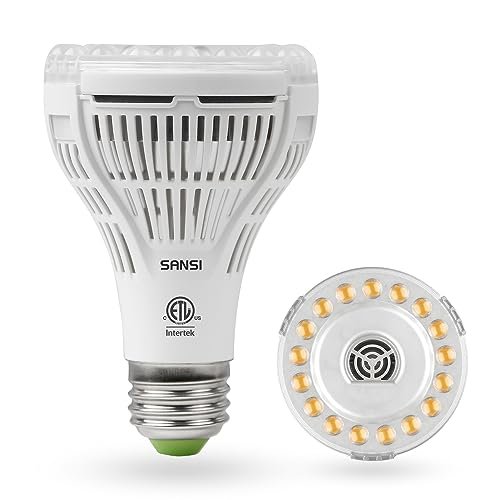
3 If the plant is in a particularly cold room, provide supplemental warmth using a grow light to help stabilize its metabolic processes.
warning

Low Humidity Stress

The Nebraska variety requires high humidity levels (above 60%) to maintain its large, waxy leaves. If the environment becomes too dry, particularly during winter heating seasons, the plant may drop leaves to reduce transpiration surface area.

Common
lightbulb
How to confirm: Use a hygrometer to measure the ambient humidity around the plant's foliage.
build How to fix it
shopping_cart Recommended Products
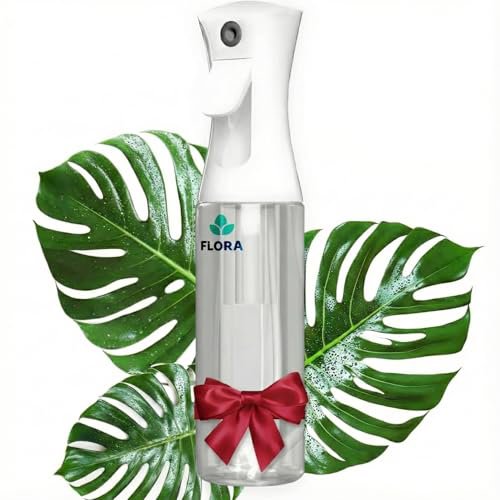
1 Increase local humidity around the plant by using a pebble tray or a fine misting spray bottle to keep the air moist.
2 Place the plant near a humidifier or in a more humid area of your home, such as a bathroom, to stabilize transpiration.
3 Monitor soil moisture levels to ensure the plant is not also experiencing root stress from drying out too quickly.
warning

Nutrient Deficiency (Nitrogen)

A lack of available nitrogen in the potting medium prevents the plant from maintaining new growth. In long-term indoor cultivation, depleted substrate can lead to the yellowing and subsequent dropping of older leaves.

Common
lightbulb
How to confirm: Observe if the older, lower leaves are turning yellow before they drop off.
build How to fix it
shopping_cart Recommended Products
1 Apply a nitrogen-rich liquid fertilizer to replenish the depleted substrate and support new foliage growth.
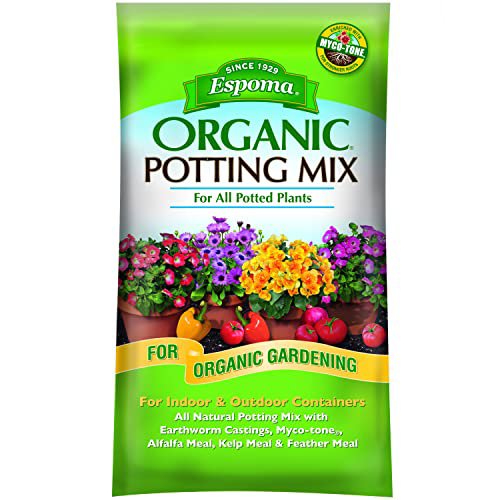
2 Repot the plant in fresh, nutrient-dense potting soil to provide a long-term source of essential minerals.
3 Monitor the soil moisture levels using an analog meter to ensure the plant is not experiencing secondary stress from overwatering.

Other Anthurium andraeanum Nebraska problems

Your plant might also be experiencing one of these issues:

local_hospital All symptoms eco All plants with sudden leaf drop
favorite