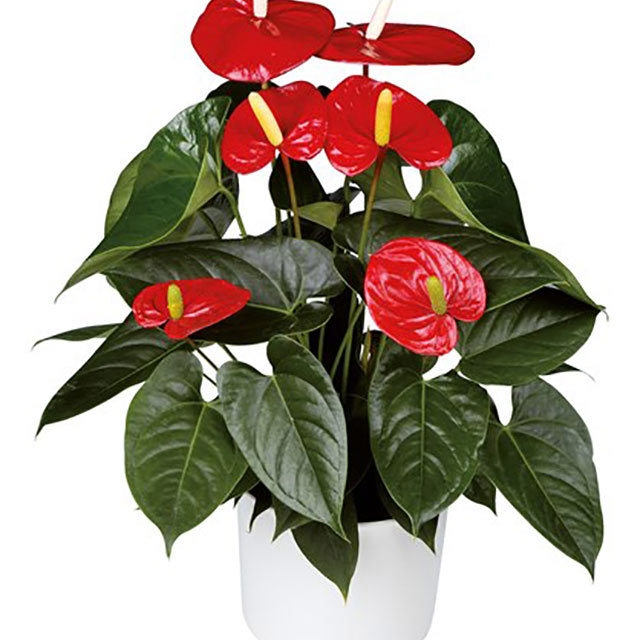
Anthurium andraeanum Turenza Leggy Stems
eco Leggy Stems

Anthurium andraeanum Turenza – Leggy Stems

Why does your Anthurium andraeanum Turenza have leggy stems? Diagnose the cause and fix it with our step-by-step guide.

search Possible Causes

error

Insufficient Light Intensity

Anthuriums are shade-tolerant but require bright, indirect light to maintain compact growth; low light levels trigger etiolation, where stems stretch excessively toward a light source.

Very Common
lightbulb
How to confirm: Observe if the leaves are significantly smaller or paler than usual and move the plant closer to a window with filtered sunlight.
build How to fix it
shopping_cart Recommended Products
1 Move your Anthurium to a location with much brighter, indirect light to stop the stems from stretching further.
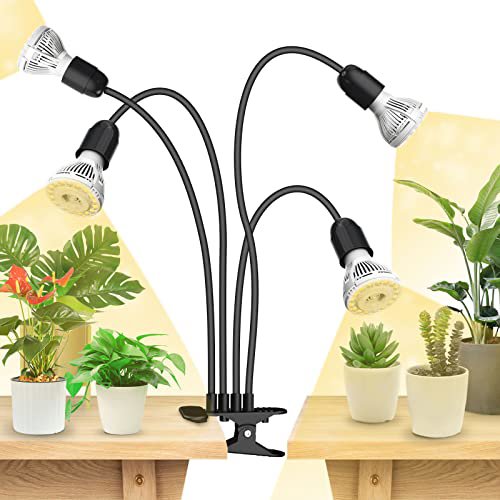
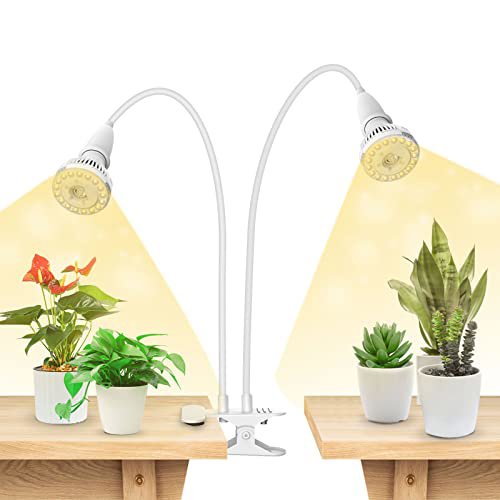
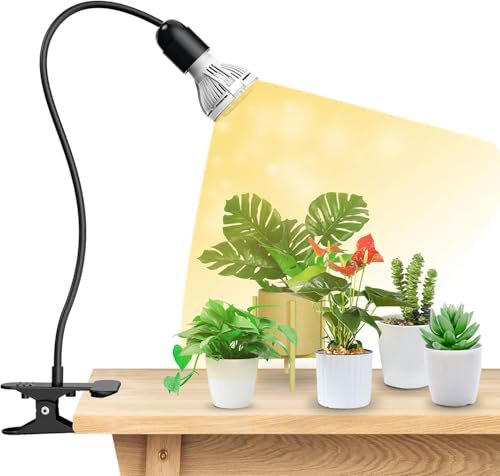
2 Supplement existing light with a full-spectrum LED grow light to provide the necessary intensity for compact growth.
3 Prune the excessively long, leggy stems using sharp, clean shears to encourage a fuller, more compact shape.
warning

Nutrient Deficiency (Nitrogen/Potassium)

A lack of essential macronutrients can result in weak, spindly cellular structures, preventing the plant from developing the structural integrity needed for upright stems.

Common
lightbulb
How to confirm: Check if the older leaves are yellowing alongside the leggy growth and consider applying a balanced liquid fertilizer.
build How to fix it
shopping_cart Recommended Products
1 Apply a balanced liquid fertilizer to provide the necessary nitrogen and potassium for structural strength.
2 Check the soil moisture levels using a moisture meter to ensure the plant is not experiencing stress that prevents nutrient uptake.
3 Ensure the plant is receiving adequate light, as insufficient light can exacerbate leggy growth.
warning

Overwatering and Root Hypoxia

While heavy stems need moisture, constant saturation suffocates roots, leading to inefficient nutrient transport that results in weak, water-logged, and elongated growth patterns.

Common
lightbulb
How to confirm: Stick your finger two inches into the soil to see if it remains saturated long after a scheduled watering.
build How to fix it
shopping_cart Recommended Products
1 Immediately reduce watering frequency and allow the top inch of soil to dry out completely before watering again to prevent further root suffocation.
2 Repot the plant in a well-aerated, chunky substrate mix containing perlite or orchid bark to improve drainage and oxygen flow to the roots.
3 Apply a microbial-based fertilizer to help restore the root zone and support recovery from environmental stress.
warning

High Humidity/Low Air Circulation

In environments with stagnant, overly humid air, the plant may experience rapid but structurally weak cell expansion without the resistance provided by airflow.

Common
lightbulb
How to confirm: Check if there is any movement in the leaves when a small fan is running nearby to ensure air circulation around the foliage.
build How to fix it
shopping_cart Recommended Products
1 Increase air circulation around the plant by using a small fan to prevent stagnant, humid air from weakening the stems.
2 Ensure the plant is placed in a location with adequate brightness to support stronger stem development.
3 Monitor soil moisture levels to ensure the plant is not being overwatered, which can exacerbate leggy growth in high humidity.

Other Anthurium andraeanum Turenza problems

Your plant might also be experiencing one of these issues:

local_hospital All symptoms eco All plants with leggy stems
favorite