Anthurium andreanum Solara Drooping Leaves
eco Drooping Leaves

Anthurium andreanum Solara – Drooping Leaves

Why does your Anthurium andreanum Solara have drooping leaves? Diagnose the cause and fix it with our step-by-step guide.

search Possible Causes

error

Improper Watering (Underwatering or Overwatering)

Anthuriums are sensitive to moisture fluctuations; underwatering causes cellular dehydration and limp leaves, while overwatering leads to root rot which prevents the plant from absorbing water even if the soil is wet.

Very Common
lightbulb
How to confirm: Stick your finger 2 inches into the potting medium to check if it is bone dry or excessively soggy.
build How to fix it
shopping_cart Recommended Products
1 Check the soil moisture level at the root zone using a moisture meter to determine if the plant is suffering from dehydration or root rot.
2 If the soil is bone dry, thoroughly water the plant; if the soil is soggy, repot the plant in a well-draining medium like a mix containing perlite or orchid bark to prevent further rot.
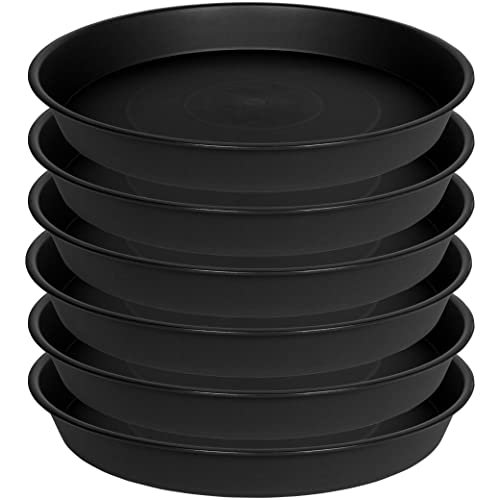
3 Ensure the plant is in a pot with adequate drainage and use a saucer to catch excess water, preventing the roots from sitting in stagnant moisture.
error

Temperature Stress or Cold Drafts

Anthurium andreanum is a tropical species that thrives in consistent warmth; exposure to temperatures below 60°F (15°C) or sudden drafts from AC units causes the vascular system to react by drooping.

Very Common
lightbulb
How to confirm: Check if the plant is positioned near a window, door, or air conditioning vent during temperature shifts.
build How to fix it
shopping_cart Recommended Products
1 Move your Anthurium to a warmer, stable location away from air conditioning vents, drafty windows, or cold doors to prevent further temperature fluctuations.
2 Monitor the soil moisture closely during temperature shifts, as cold soil can lead to root issues; use a moisture meter to ensure the medium remains damp but not waterlogged.
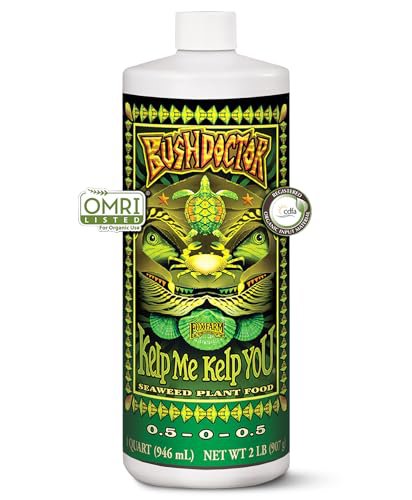
3 If the plant shows signs of recovery, provide a gentle boost with a liquid seaweed fertilizer to help the plant overcome environmental stress.
warning

Low Humidity

This species requires high ambient humidity (above 50-60%); when the air is too dry, the plant loses moisture through transpiration faster than the roots can replace it, leading to loss of turgor pressure.

Common
lightbulb
How to confirm: Monitor if the leaf edges are also turning brown or crispy alongside the drooping.
build How to fix it
shopping_cart Recommended Products
1 Increase ambient humidity around the plant by using a pebble tray or a humidifier to maintain levels above 50-60%.
2 Mist the leaves regularly with a fine spray to provide immediate surface moisture.
3 Monitor soil moisture levels to ensure the plant is not also experiencing drought stress.
warning

Root Rot (Phytophthora or Pythium)

Prolonged saturation in the medium promotes fungal pathogens that destroy the root structure, making it impossible for the Solara cultivar to support its large, heavy leaves.

Common
lightbulb
How to confirm: Gently lift the plant from its pot to inspect if the roots are dark, slimy, or emit a foul odor.
build How to fix it
shopping_cart Recommended Products
1 Immediately remove the plant from its current medium and inspect the roots; prune away any mushy, black, or foul-smelling roots using sterilized tools.
2 Repot the plant in a highly aerated, well-draining substrate to prevent future saturation, such as a mix containing perlite or orchid bark.
3 Use a moisture meter to monitor the soil regularly, ensuring you only water when the top inch of medium is dry to avoid further root rot.

Other Anthurium andreanum Solara problems

Your plant might also be experiencing one of these issues:

local_hospital All symptoms eco All plants with drooping leaves
favorite