Asparagus myriocladus Drooping Leaves
eco Drooping Leaves

Asparagus myriocladus – Drooping Leaves

Why does your Asparagus myriocladus have drooping leaves? Diagnose the cause and fix it with our step-by-step guide.

search Possible Causes

error

Underwatering and Low Humidity

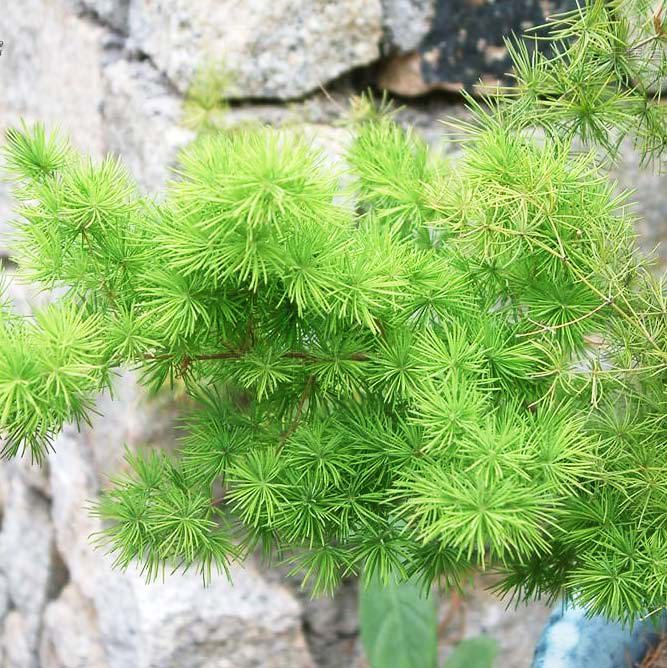
Asparagus myriocladus is highly sensitive to dry air and drought conditions. When the substrate dries out completely, the delicate, needle-like foliage loses turgor pressure and begins to wilt.

Very Common
lightbulb
How to confirm: Touch the soil surface; if it is bone dry several inches deep, the plant likely needs immediate watering and increased ambient humidity.
build How to fix it
shopping_cart Recommended Products
1 Immediately check the soil moisture level and water the plant thoroughly until water drains from the bottom to rehydrate the root system.
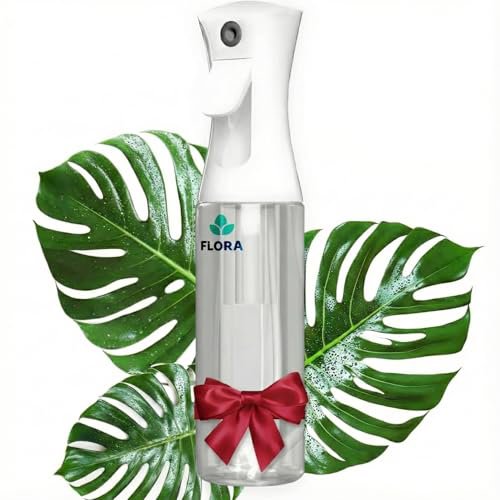
2 Increase ambient humidity around the foliage by using a pebble tray or a fine misting spray bottle to prevent further wilting.
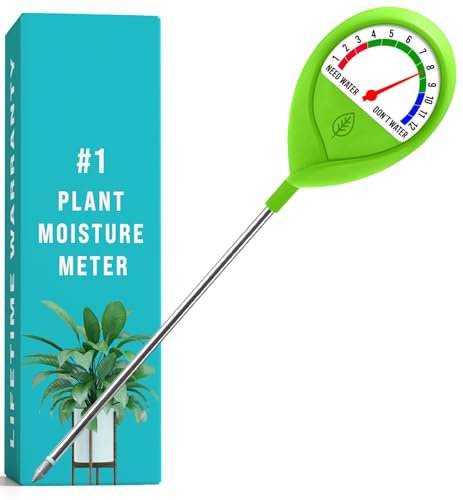
3 Ensure the plant is in a consistent environment and consider using a moisture meter to prevent the substrate from drying out completely in the future.
error

Root Rot from Overwatering

While they like moisture, stagnant water in the pot causes the fine root system of this species to decay. This prevents the plant from absorbing water, paradoxically leading to drooping leaves despite wet soil.

Very Common
lightbulb
How to confirm: Check the drainage holes and smell the soil; a sour or musty odor indicates anaerobic conditions and rot.
build How to fix it
shopping_cart Recommended Products
1 Immediately remove the plant from its current pot and inspect the roots; trim away any mushy, black, or foul-smelling decayed roots using sterilized shears.
2 Repot the plant in a fresh, well-draining medium and ensure the new container has adequate drainage to prevent water from pooling at the base.
3 Use a moisture meter to monitor the soil, ensuring you only water when the top inch of soil feels dry to avoid future overwatering.
warning

Temperature Fluctuations/Cold Stress

This species thrives in stable, warm environments. Exposure to cold drafts or sudden drops in temperature can cause physiological shock, leading to drooping and eventual needle drop.

Common
lightbulb
How to confirm: Check if the plant is positioned near an air conditioning vent, a drafty window, or an unheated door.
build How to fix it
shopping_cart Recommended Products
1 Move the plant to a stable, warm location away from cold drafts, windows, or air conditioning vents to prevent further temperature shock.
2 Use a moisture meter to ensure the soil remains consistently moist but not waterlogged, as temperature stress can disrupt the plant's water uptake.
3 Apply a microbial-based fertilizer to help the plant recover from environmental stress and support root zone resilience.
warning

Spider Mite Infestation

Tiny spider mites thrive in the dry conditions that often affect Asparagus ferns. Their feeding on the fine foliage drains plant energy and causes the needle-like leaves to droop and turn yellow.

Common
lightbulb
How to confirm: Inspect the underside of the stems for very fine webbing or tiny moving specks.
build How to fix it
shopping_cart Recommended Products
1 Apply an organic insecticide to eliminate the spider mite population and protect the foliage.
2 Increase humidity around the plant by using a fine mist spray to create an environment less favorable to mites.
3 Monitor soil moisture levels to ensure the plant remains hydrated without overwatering, as dry conditions encourage mite outbreaks.

Other Asparagus myriocladus problems

Your plant might also be experiencing one of these issues:

local_hospital All symptoms eco All plants with drooping leaves
favorite