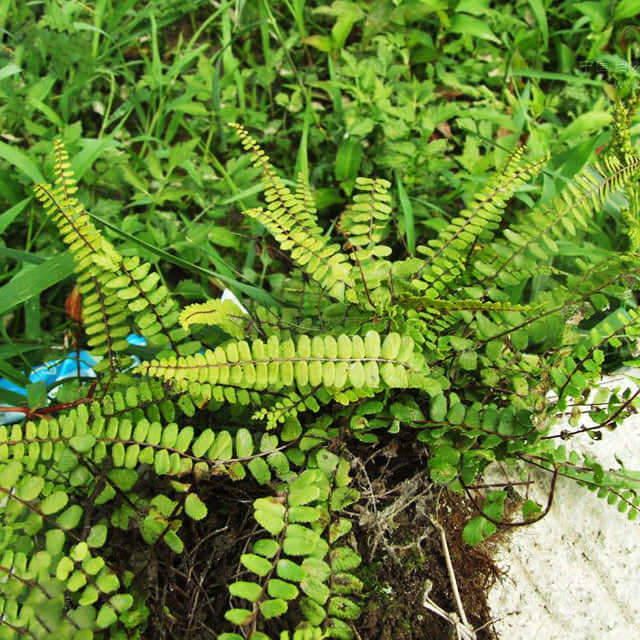
Asplenium trichomanes Drooping Leaves
eco Drooping Leaves

Asplenium trichomanes – Drooping Leaves

Why does your Asplenium trichomanes have drooping leaves? Diagnose the cause and fix it with our step-by-step guide.

pets Pet Friendly

search Possible Causes

error

Underwatering and Low Humidity

As a lithophytic or epiphytic fern, Asplenium trichomanes relies on consistent moisture; dry substrate causes the delicate pinnae to lose turgor pressure and wilt. Low ambient humidity is particularly devastating as it accelerates transpiration rates beyond the plant's ability to recover.

Very Common
lightbulb
How to confirm: Check if the rhizome/substrate feels bone-dry and if the tips of the fronds are crispy or brown.
build How to fix it
shopping_cart Recommended Products
1 Immediately check the soil moisture level using a probe to determine if the substrate is completely desiccated.
2 Thoroughly soak the substrate with water to restore turgor pressure, ensuring the moisture reaches the root zone.
3 Increase ambient humidity around the fern by using a pebble tray or a fine misting spray bottle to slow transpiration.
warning

Root Rot from Overwatering

While moisture is necessary, stagnant water in the substrate leads to anaerobic conditions that decay the fine root system. This damage prevents the plant from transporting water upward, resulting in a paradox where the leaves droop despite wet soil.

Common
lightbulb
How to confirm: Inspect the base of the plant for any dark, slimy rhizome tissue or a sour smell from the potting medium.
build How to fix it
shopping_cart Recommended Products
1 Immediately remove the plant from its current pot and discard the waterlogged soil to stop the decay process.
2 Trim away any mushy, black, or foul-smelling roots using sterilized shears to prevent the rot from spreading.
3 Repot the fern in a fresh, well-draining medium like a mix of peat and perlite, and use a pot with a drainage tray to prevent future water stagnation.
warning

Temperature Fluctuations (Cold Stress)

This species prefers cool to moderate environments; sudden exposure to drafts or temperatures below 10°C can cause physiological shock. This stress interrupts cellular function, leading to immediate loss of leaf rigidity.

Common
lightbulb
How to confirm: Check if the plant is positioned near a window or vent that experiences significant temperature drops at night.
build How to fix it
shopping_cart Recommended Products
1 Relocate the plant to a stable environment away from cold drafts, windows, or air conditioning vents to prevent further temperature shock.
2 Maintain a consistent temperature between 15°C and 22°C to help the plant recover its cellular function and leaf rigidity.
3 Monitor the soil moisture closely, as temperature stress can alter evaporation rates; use a moisture meter to ensure the substrate remains damp but not waterlogged.
warning

Nutrient Deficiency (Nitrogen)

In prolonged periods without replenishment, a lack of nitrogen prevents the development of chlorophyll and structural proteins. This weakens the frond structure, making them unable to support their own weight.

Common
lightbulb
How to confirm: Observe if the drooping is accompanied by a general paling or yellowing (chlorosis) of the entire frond.
build How to fix it
shopping_cart Recommended Products
1 Apply a nitrogen-rich liquid fertilizer to boost chlorophyll production and strengthen the frond structure.
2 Check the soil moisture levels with a meter to ensure the drooping isn't actually caused by dehydration.
3 Refresh the potting medium with a nutrient-dense organic mix to provide long-term nitrogen availability.

Other Asplenium trichomanes problems

Your plant might also be experiencing one of these issues:

local_hospital All symptoms eco All plants with drooping leaves
favorite