Begonia coccinea Sticky Leaves
eco Sticky Leaves

Begonia coccinea – Sticky Leaves

Why does your Begonia coccinea have sticky leaves? Diagnose the cause and fix it with our step-by-step guide.

search Possible Causes

error

Aphid Infestation

Aphids are small, soft-bodied insects that pierce the succulent stems and leaves of Begonia coccinea to suck out sap, excreting a sugary substance known as honeydew. This residue creates the characteristic sticky film on leaf surfaces.

Very Common
lightbulb
How to confirm: Inspect the undersides of leaves and new growth for tiny, green or black moving insects.
build How to fix it
shopping_cart Recommended Products
1 Spray the plant thoroughly with an organic insecticide to eliminate the aphid population and stop the production of honeydew.
2 Wipe the sticky residue off the leaves using a soft cloth and water to prevent fungal growth like sooty mold.
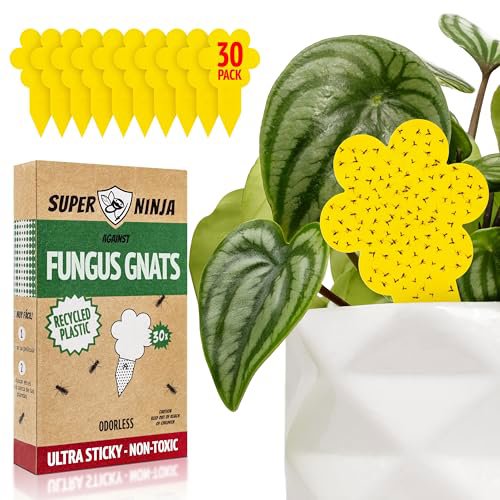
3 Place yellow sticky traps near the plant to capture any remaining flying aphids and monitor for new arrivals.
error

Scale Insects

Scale insects attach themselves to the stems and leaf petioles of Begonias, feeding on plant fluids and secreting honeydew that coats the foliage. Unlike aphids, these pests appear as stationary, waxy bumps.

Very Common
lightbulb
How to confirm: Look for small, hard, brownish or white bumps firmly attached to the stems or leaf bases.
build How to fix it
shopping_cart Recommended Products
1 Manually remove visible scale insects from stems and leaves using a cotton swab dipped in rubbing alcohol to dissolve their waxy protective coating.
2 Apply an organic insecticide spray to the entire plant to eliminate remaining insects and prevent further honeydew secretion.
3 Wipe the sticky leaves with a damp cloth to remove the honeydew residue and prevent the growth of sooty mold.
warning

Mealybug Infestation

Mealybugs produce a sticky residue as they feed on the plant's nutrients, often accompanied by white, cottony masses in the crevices of the Begonia foliage.

Common
lightbulb
How to confirm: Search for small, white, fluffy clusters located in the leaf axils or where the leaf meets the stem.
build How to fix it
shopping_cart Recommended Products
1 Isolate the plant immediately to prevent the spread of mealybugs to other greenery and wipe away visible white cottony masses with a cotton swab dipped in rubbing alcohol.
2 Apply an organic insecticide spray to the entire plant, ensuring you coat the undersides of leaves and crevices where pests hide.
3 Monitor the plant's soil moisture levels to ensure you aren't overwatering, as excess moisture can encourage pest environments.
warning

Extrafloral Nectary Secretion

Some Begonia species possess nectaries that secrete nectar to attract predatory insects; while less common as a primary symptom, an excess of this natural secretion can feel tacky.

Common
lightbulb
How to confirm: Check if the stickiness is localized to specific glands on the leaf surface rather than a coating over the entire leaf.
build How to fix it
shopping_cart Recommended Products
1 Gently wipe the leaves with a soft, damp cloth to remove the excess nectar and prevent the growth of sooty mold.
2 Monitor the plant for any secondary pests like ants or aphids that may be attracted to the nectar secretion.

Other Begonia coccinea problems

Your plant might also be experiencing one of these issues:

local_hospital All symptoms eco All plants with sticky leaves
favorite