Begonia grandis Leggy Stems
eco Leggy Stems

Begonia grandis – Leggy Stems

Why does your Begonia grandis have leggy stems? Diagnose the cause and fix it with our step-by-step guide.

search Possible Causes

error

Insufficient Light Exposure

Begonia grandis is a shade-tolerant species that will undergo etiolation, or stretching, when seeking more light. The internodes (space between leaves) elongate significantly as the plant prioritizes vertical growth to reach a light source.

Very Common
lightbulb
How to confirm: Observe if the leaves are smaller and further apart on the stem compared to denser parts of the plant.
build How to fix it
shopping_cart Recommended Products
1 Move your Begonia grandis to a location with brighter, indirect light to stop the stems from stretching further.
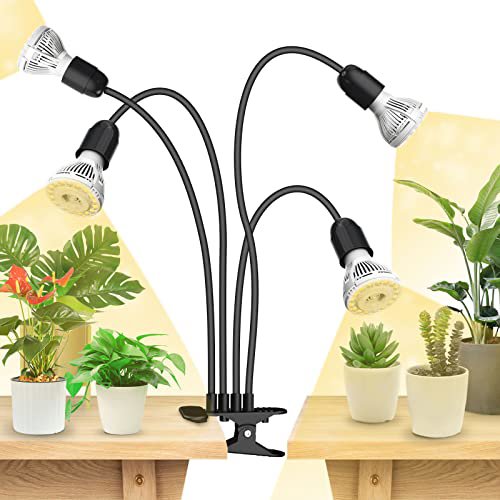
2 If natural light is insufficient, supplement with a full-spectrum LED grow light to provide the necessary energy for compact growth.
3 Prune the elongated, leggy stems using sharp, clean shears to encourage bushier growth and prevent the plant from becoming top-heavy.
warning

Overwatering and Root Compromise

Excessive moisture in the substrate can lead to shallow, weak root systems that cannot support the weight of the foliage. As roots begin to decline due to lack of oxygen, the stems lose structural integrity and appear limp or spindly.

Common
lightbulb
How to confirm: Check if the soil remains damp for more than a week and feel the roots for any dark, slimy textures.
build How to fix it
shopping_cart Recommended Products
1 Immediately reduce watering frequency and allow the top inch of soil to dry out completely before watering again to prevent further root rot.
2 Repot the plant in a well-draining, fresh potting mix enriched with perlite to improve aeration and oxygen to the root zone.
3 Prune away any mushy, dark, or dead roots using sterilized shears to prevent the spread of decay.
warning

Nitrogen-Heavy Fertilization

An imbalance in fertilizer with excessively high nitrogen levels promotes rapid, succulent vegetative growth. This rapid expansion often results in weak cell walls in the stems, making them appear thin and 'leggy'.

Common
lightbulb
How to confirm: Review your recent fertilization schedule to see if you have used a high-nitrogen formula recently.
build How to fix it
shopping_cart Recommended Products
1 Flush the soil with plain, room-temperature water to leach out excess nitrogen salts from the root zone.
2 Transition to a more balanced or lower-nitrogen fertilizer to support stronger cell wall development.
3 Prune the longest, weakest stems to encourage bushier growth and improve airflow.

Other Begonia grandis problems

Your plant might also be experiencing one of these issues:

local_hospital All symptoms eco All plants with leggy stems
favorite