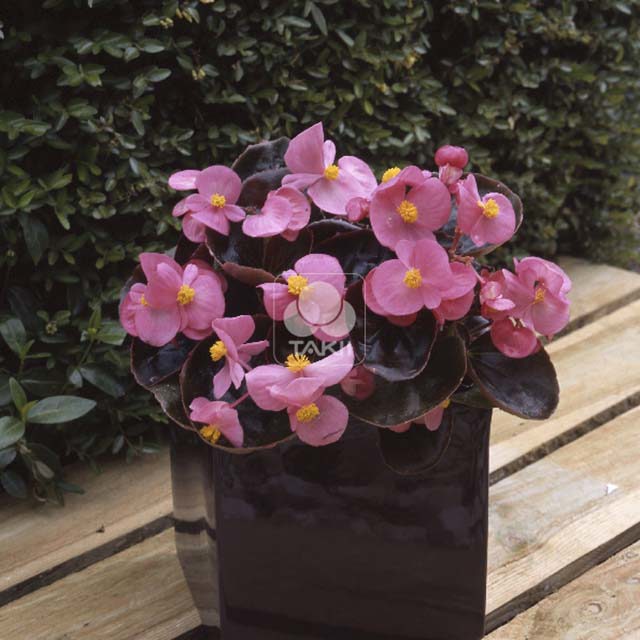
Begonia havana Rose 865 Yellow Leaves
eco Yellow Leaves

Begonia havana Rose 865 – Yellow Leaves

Why does your Begonia havana Rose 865 have yellow leaves? Diagnose the cause and fix it with our step-by-step guide.

search Possible Causes

error

Overwatering and Root Rot

Begonia 'Rose 865' is highly susceptible to moisture-related issues; excessive water in the substrate leads to anaerobic conditions that rot the rhizomes and fine roots, causing yellowing of older leaves first.

Very Common
lightbulb
How to confirm: Gently lift the plant from its pot to check if the roots are dark brown and slimy rather than firm and white.
build How to fix it
shopping_cart Recommended Products
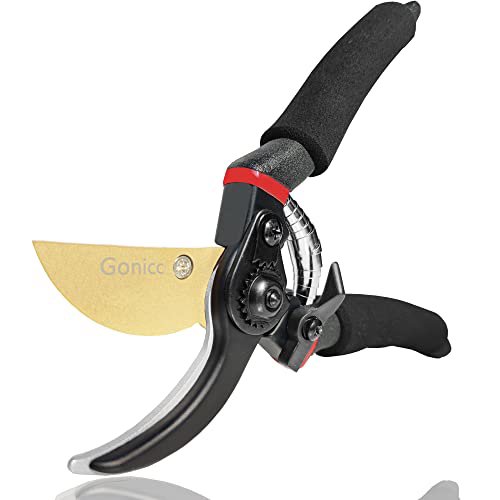
1 Immediately stop watering and allow the substrate to dry out completely. Check the soil depth with a moisture meter to ensure the root zone is not staying saturated.
2 Repot the plant in a fresh, well-draining medium like a mix containing perlite to improve aeration and prevent future anaerobic conditions.
3 Inspect the roots and rhizome for any mushy, dark, or foul-smelling areas; prune away all rot using sterilized tools to prevent the spread of decay.
warning

Nitrogen Deficiency

A lack of nitrogen prevents the production of chlorophyll, which is essential for the vibrant rose tones in this cultivar. This typically manifests as a uniform yellowing starting from the bottom-most leaves.

Common
lightbulb
How to confirm: Observe if the yellowing pattern moves uniformly upward through the entire plant while new growth remains pale.
build How to fix it
shopping_cart Recommended Products
1 Apply a nitrogen-rich liquid fertilizer to boost chlorophyll production and restore the plant's vibrant rose color.
2 Monitor the soil moisture levels using an analog meter to ensure nitrogen is being delivered effectively without causing root rot.
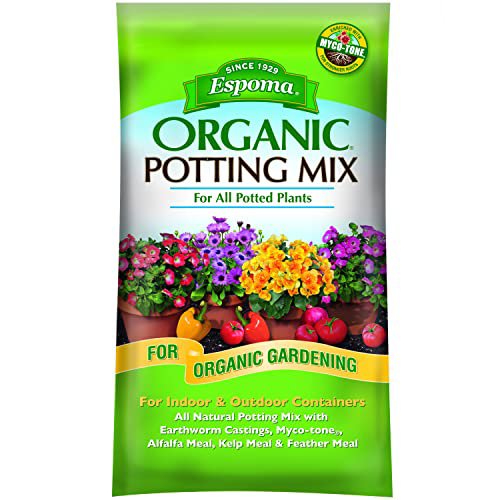
3 Check the bottom-most leaves for continued yellowing; if the issue persists, consider repotting with a fresh, nutrient-dense organic potting mix.
warning

Improper Light Intensity

While Begonias enjoy bright light, too much direct midday sun can cause solar bleaching and yellowing, whereas too little light prevents the plant from maintaining its metabolic processes.

Common
lightbulb
How to confirm: Check if the yellowed patches appear scorched or crispy, which indicates too much direct sunlight exposure.
build How to fix it
shopping_cart Recommended Products
1 Relocate your Begonia to a spot with bright, indirect light, away from harsh midday sun to prevent solar bleaching.
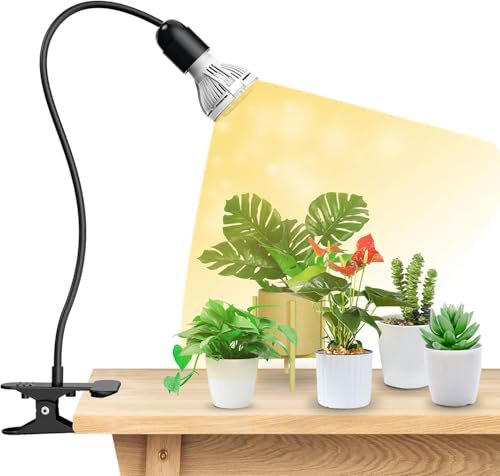
2 If the plant is in a low-light area, supplement with a full-spectrum grow light to support metabolic processes.
3 Monitor the soil moisture levels closely, as light fluctuations can impact the plant's water uptake and transpiration rates.
warning

Temperature Fluctuations (Cold Stress)

Begonia 'Rose 865' prefers stable, warm environments; sudden drops in temperature or exposure to cold drafts can cause the plant to enter a stress response resulting in chlorosis.

Common
lightbulb
How to confirm: Check if the yellowing coincides with recent placement near a window or air conditioning vent during colder periods.
build How to fix it
shopping_cart Recommended Products
1 Move your Begonia to a stable, warm location away from cold drafts, windows, or air conditioning vents to prevent further temperature shock.
2 Monitor the soil moisture closely using a moisture meter to ensure the plant is not also suffering from overwatering during this period of stress.
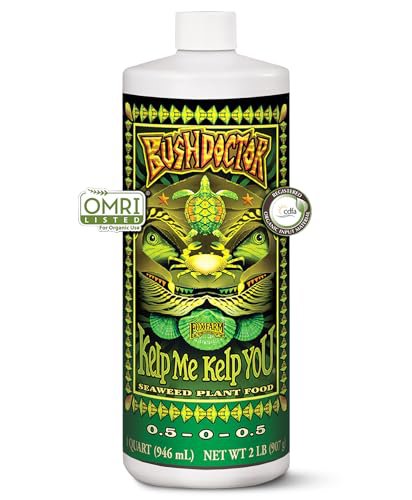
3 Apply a light feeding of liquid seaweed fertilizer to help the plant recover from environmental stress and boost nutrient uptake.

Other Begonia havana Rose 865 problems

Your plant might also be experiencing one of these issues:

local_hospital All symptoms eco All plants with yellow leaves
favorite