Begonia Monza Appleblossom Leggy Stems
eco Leggy Stems

Begonia Monza Appleblossom – Leggy Stems

Why does your Begonia Monza Appleblossom have leggy stems? Diagnose the cause and fix it with our step-by-step guide.

search Possible Causes

error

Insufficient Light (Etiolation)

Begonias with large, fleshy leaves like the Monza Appleblossom require bright, indirect light to maintain structural integrity. When light levels are too low, the plant stretches its internodes rapidly to find a light source, resulting in weak, elongated stems.

Very Common
lightbulb
How to confirm: Observe if the distance between leaf nodes is significantly larger than it was when the plant was younger or more compact.
build How to fix it
shopping_cart Recommended Products
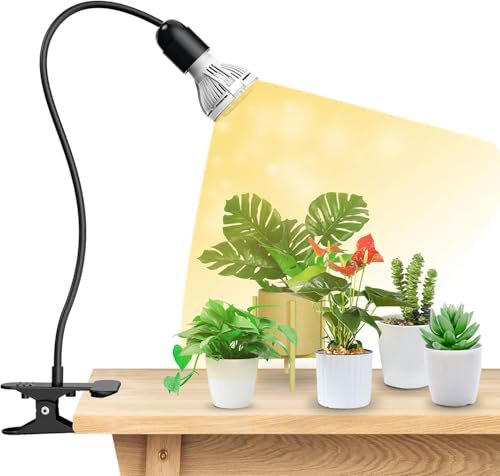
1 Move your Begonia to a location with much brighter, indirect light to prevent further stem stretching.
2 Supplement with a full-spectrum grow light to provide the necessary intensity for structural growth.
3 Prune the elongated, weak stems using sharp shears to encourage bushier growth from the base.
warning

Excessive Nitrogen Fertilization

An imbalance in nutrients, specifically an overabundance of nitrogen, can promote rapid vegetative growth that outpaces the plant's ability to develop sturdy cell walls. This results in lush, dark green foliage supported by spindly, weak stems.

Common
lightbulb
How to confirm: Review your recent fertilization schedule and check if the leaves appear unusually dark green compared to previous growth.
build How to fix it
shopping_cart Recommended Products
1 Flush the soil with plenty of fresh, room-temperature water to leach out excess nitrogen salts from the root zone.
2 Stop all nitrogen-rich fertilization and switch to a balanced or low-nitrogen formula to allow the plant to focus on structural strength.
3 Prune the longest, weakest stems to encourage more compact growth and improve air circulation.
warning

Overwatering and Root Stress

While overwatering primarily causes rot, the resulting lack of oxygen in the substrate can damage fine root hairs responsible for structural nutrient uptake. This leads to a decline in turgor pressure and can cause new growth to appear limp or stretched.

Common
lightbulb
How to confirm: Stick your finger two inches into the soil to see if it remains saturated long after a scheduled watering.
build How to fix it
shopping_cart Recommended Products
1 Check the soil moisture levels immediately using a moisture meter to ensure the substrate is not staying saturated for too long.
2 Repot the Begonia in a well-draining, airy medium like a mix containing perlite to restore oxygen to the root zone.
3 Apply a microbial-based liquid fertilizer to help stimulate root zone development and recover from the stress of root hair damage.

Other Begonia Monza Appleblossom problems

Your plant might also be experiencing one of these issues:

local_hospital All symptoms eco All plants with leggy stems
favorite