Begonia Monza Rose 140 Leggy Stems
eco Leggy Stems

Begonia Monza Rose 140 – Leggy Stems

Why does your Begonia Monza Rose 140 have leggy stems? Diagnose the cause and fix it with our step-by-step guide.

search Possible Causes

error

Insufficient Light Intensity

As a cultivar of Wax Begonia, the Monza Rose requires bright, indirect light to maintain its compact, bushy form. When light is too low, the plant undergoes etiolation, stretching its internodes excessively to search for a light source.

Very Common
lightbulb
How to confirm: Observe if the stems are noticeably thinner and longer than the original plant profile and move it closer to a window.
build How to fix it
shopping_cart Recommended Products
1 Move your Begonia to a location that receives much brighter, indirect sunlight to prevent further stretching of the stems.
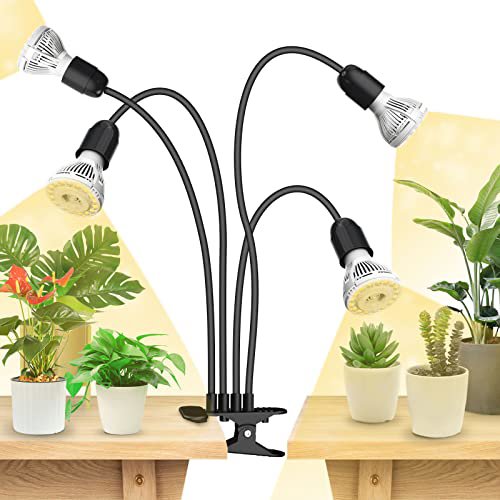
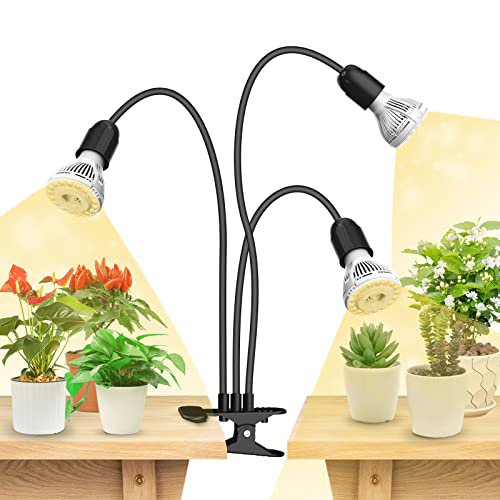
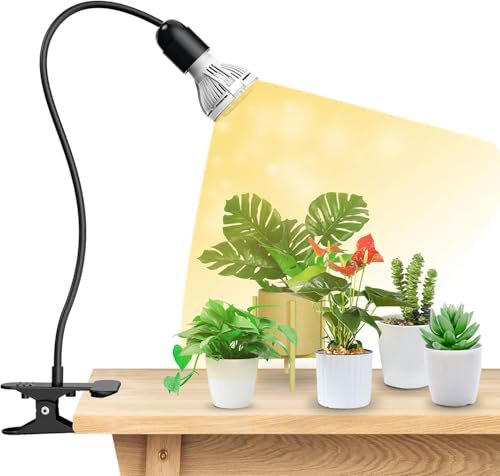
2 Supplement with a full-spectrum LED grow light to provide the necessary light intensity for a compact growth habit.
3 Prune the excessively long, leggy stems to encourage the plant to branch out and regain its bushy shape.
error

Overwatering and Poor Drainage

Excessive moisture in the substrate can weaken the structural integrity of Begonia stems. This causes the lower nodes to lose rigidity, leading to a 'floppy' or leggy appearance as the plant fails to support its own weight.

Very Common
lightbulb
How to confirm: Stick your finger two inches into the soil to see if it remains saturated for long periods.
build How to fix it
shopping_cart Recommended Products
1 Immediately reduce watering frequency and allow the top inch of soil to dry out completely before watering again to prevent further root rot.
2 Repot the Begonia in a well-draining substrate, such as a mix containing perlite, to improve aeration and moisture management.
3 Ensure the plant is in a container with adequate drainage holes and use a saucer to catch excess water, making sure the plant is not sitting in stagnant water.
warning

Nutrient Deficiency (Nitrogen Imbalance)

While nitrogen promotes foliage, an extreme imbalance or lack of secondary micronutrients can lead to rapid, weak cell elongation. This results in soft, spindly growth that lacks the characteristic robustness of the Monza Rose variety.

Common
lightbulb
How to confirm: Check for pale green or yellowish leaves accompanying the elongated stems.
build How to fix it
shopping_cart Recommended Products
1 Apply a balanced liquid fertilizer to provide the necessary nitrogen and micronutrients for robust stem development.
2 Prune the spindly, leggy stems using sharp, clean shears to encourage bushier, more compact growth from the base.
3 Monitor soil moisture levels to ensure the plant is not experiencing fluctuations that could exacerbate weak growth.
warning

High Humidity with Low Air Circulation

Begonias thrive in humidity, but stagnant, moist air can promote rapid, soft growth without strengthening the stem tissue. Without a gentle breeze or fan, the stems lack the mechanical stress needed to develop thicker cell walls.

Common
lightbulb
How to confirm: Check if the air around the plant feels heavy and still, and see if there is any visible condensation on the leaves.
build How to fix it
shopping_cart Recommended Products
1 Increase air circulation around the plant by using a small fan to create a gentle breeze, which helps strengthen stem tissue.
2 Prune the longest, weakest stems using sharp, clean shears to encourage more compact, sturdy new growth.
3 Ensure the plant is placed in a location with adequate light to prevent further stretching (etiolation) of the stems.

Other Begonia Monza Rose 140 problems

Your plant might also be experiencing one of these issues:

local_hospital All symptoms eco All plants with leggy stems
favorite