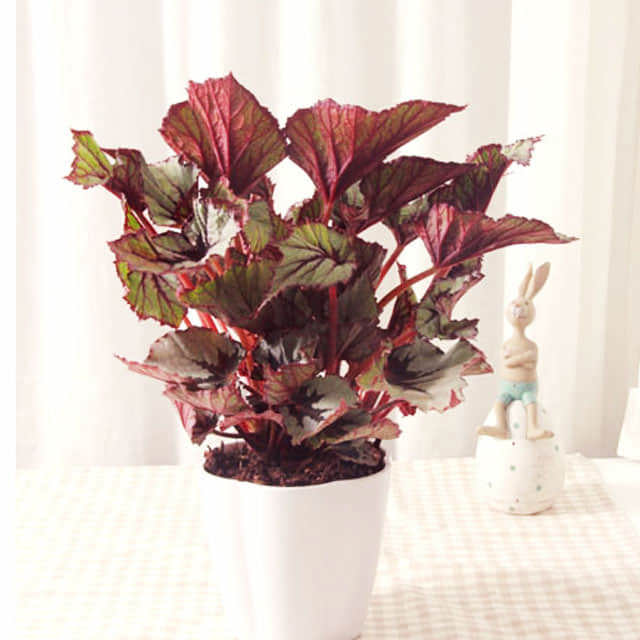
Begonia rex-cultorum Yellow Leaves
eco Yellow Leaves

Begonia rex-cultorum – Yellow Leaves

Why does your Begonia rex-cultorum have yellow leaves? Diagnose the cause and fix it with our step-by-step guide.

search Possible Causes

error

Overwatering and Root Rot

Rex Begonias are highly sensitive to moisture around the rhizome. Excessive water saturates the soil, depriving roots of oxygen and leading to fungal pathogens like Pythium that cause foliage to yellow and soften.

Very Common
lightbulb
How to confirm: Stick your finger deep into the soil; if it is damp several inches down, you are likely overwatering.
build How to fix it
shopping_cart Recommended Products
1 Immediately stop watering and allow the soil to dry out completely. Check the moisture level deep in the pot using a moisture meter to ensure the root zone is not saturated.
2 Repot the plant in a well-draining, airy medium. Mix a high-porosity substrate like perlite into your potting soil to improve aeration and prevent future waterlogging.
3 Inspect the roots for any mushy, dark, or foul-smelling decay. Use sterilized shears to trim away all rot, then treat the remaining healthy roots with a microbial inoculant to promote recovery.
warning

Nutrient Deficiency (Nitrogen)

Rapid growth or depleted potting media can lead to nitrogen deficiency. In Rex Begonias, this typically manifests as a uniform yellowing of older leaves as the plant mobilizes nutrients to new growth.

Common
lightbulb
How to confirm: Observe if the yellowing starts on the oldest, bottom leaves while the newest leaves remain colorful.
build How to fix it
shopping_cart Recommended Products
1 Apply a nitrogen-rich liquid fertilizer to replenish the depleted potting media and support new foliage development.
2 Check the soil moisture levels using a moisture meter to ensure the nitrogen is being effectively absorbed and not being washed away by overwatering.
3 Repot the plant in fresh, nutrient-rich potting soil if the current medium has become depleted or compacted.
warning

Low Humidity or Dry Air

Rex Begonias thrive in high humidity. When air is too dry, particularly near heaters, the leaf margins may turn yellow and crisp up as the plant struggles to maintain turgor pressure.

Common
lightbulb
How to confirm: Check if the edges of the yellowing leaves feel dry or brittle to the touch.
build How to fix it
shopping_cart Recommended Products
1 Increase local humidity around the plant by using a pebble tray or a humidifier to prevent leaf margins from crisping.
2 Mist the foliage regularly with a fine spray to provide immediate moisture to the leaves.
3 Move the plant away from heat vents, radiators, or dry air drafts that accelerate moisture loss.
warning

Light Stress (Sunscald)

While they need bright light, direct afternoon sun can bleach the pigments in Rex Begonia leaves. This cellular damage results in chlorosis (yellowing) and eventually necrotic brown spots.

Common
lightbulb
How to confirm: Check if the yellowing patches are located specifically on parts of the leaf that face a window.
build How to fix it
shopping_cart Recommended Products
1 Move your Rex Begonia to a location with bright, indirect light, away from direct afternoon sun rays to prevent further bleaching.
2 If the plant is in a particularly bright spot, consider using a grow light to provide consistent, filtered illumination without the heat of direct sun.
3 Monitor the soil moisture levels using a moisture meter to ensure the plant is not also experiencing stress from uneven watering.

Other Begonia rex-cultorum problems

Your plant might also be experiencing one of these issues:

local_hospital All symptoms eco All plants with yellow leaves
favorite