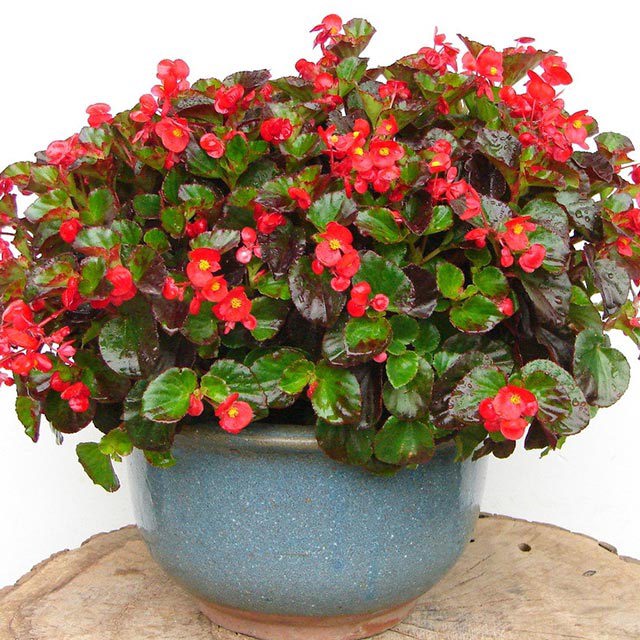
Begonia x semperflorens cultorum Drooping Leaves
eco Drooping Leaves

Begonia x semperflorens cultorum – Drooping Leaves

Why does your Begonia x semperflorens cultorum have drooping leaves? Diagnose the cause and fix it with our step-by-step guide.

search Possible Causes

error

Underwatering / Drought Stress

Wax begonias have fleshy, succulent-like stems and leaves that rely on turgor pressure to stay upright. When the substrate dries out completely, the plant loses water tension, causing the foliage to wilt.

Very Common
lightbulb
How to confirm: Stick your finger one inch into the soil; if it is bone dry, the plant needs immediate watering.
build How to fix it
shopping_cart Recommended Products
1 Immediately check the soil moisture level using a moisture meter to confirm the depth of the drought.
2 Thoroughly water the plant until water drains from the bottom of the pot, ensuring the entire root ball is saturated.
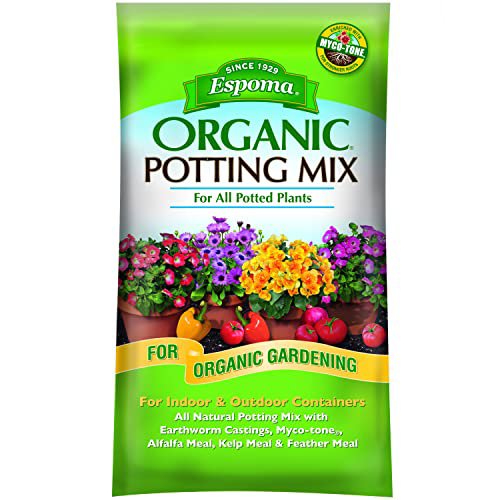
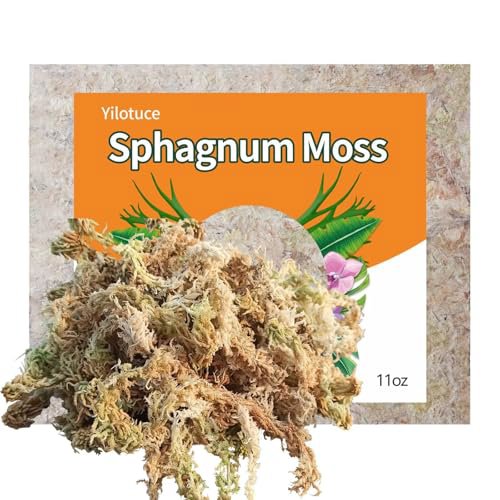
3 To prevent future drought stress, consider using a self-watering system or moisture-retaining amendments like perlite to stabilize hydration.
error

Overwatering and Root Rot

Excessive moisture in the soil suffocates the roots of Begonia x semperflorens, leading to fungal decay. As the root system fails, it can no longer transport water to the leaves, resulting in a drooping appearance despite wet soil.

Very Common
lightbulb
How to confirm: Check if the stems at the soil line are soft or dark, and if the soil remains saturated for several days.
build How to fix it
shopping_cart Recommended Products
1 Immediately remove the plant from its current container and inspect the roots for any mushy, black, or foul-smelling decay; trim away all rotted sections using sterilized shears.
2 Repot the Begonia in a fresh, well-draining potting mix and a container with adequate drainage to prevent future water accumulation.
3 Use a moisture meter to monitor the soil regularly, ensuring you only water when the top inch of soil feels dry to avoid repeating the overwatering cycle.
warning

Temperature Shock or Heat Stress

While heat-tolerant, extreme spikes in temperature can cause the plant to transpire water faster than the roots can absorb it. This leads to temporary wilting during the hottest part of the day.

Common
lightbulb
How to confirm: Observe if the drooping occurs primarily during midday heat and recovers once the sun goes down or temperatures drop.
build How to fix it
shopping_cart Recommended Products
1 Move the plant to a cooler, shaded location away from direct afternoon sun and heat-radiating surfaces to reduce transpiration rates.
2 Monitor soil moisture levels closely to ensure the plant isn't drying out too quickly during heat spikes.
3 Apply a light mulch or top dressing to help retain soil moisture and keep the root zone cool.
warning

Pythium Root Rot (Water Mold)

This specific pathogen thrives in the cool, wet conditions often found in Begonia cultivation. It destroys the root architecture, making the plant unable to support its own weight.

Common
lightbulb
How to confirm: Inspect the roots for a slimy, brownish coating and a foul odor coming from the pot.
build How to fix it
shopping_cart Recommended Products
1 Immediately inspect the roots for mushy, brown, or foul-smelling decay and prune away any dead tissue using sterilized tools.
2 Repot the plant in a fresh, well-draining medium and ensure the container has excellent drainage to prevent water pooling.
3 Reduce watering frequency and use a moisture meter to ensure the soil is allowed to dry out between waterings, preventing the damp conditions Pythium requires.

Other Begonia x semperflorens cultorum problems

Your plant might also be experiencing one of these issues:

local_hospital All symptoms eco All plants with drooping leaves
favorite