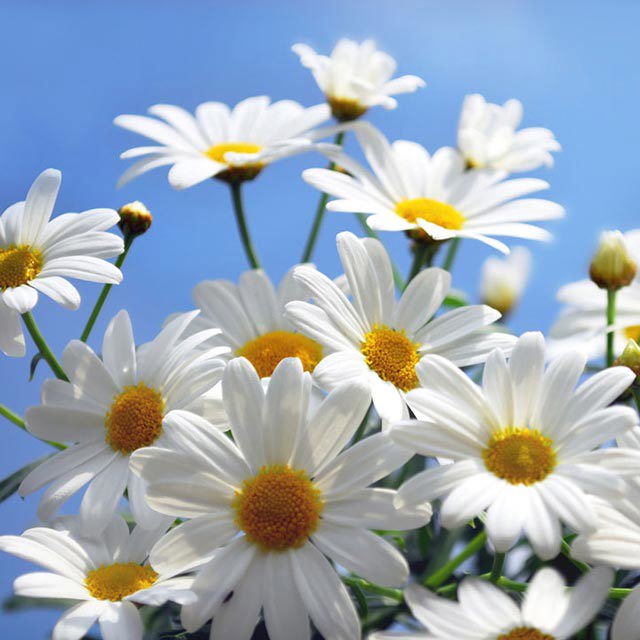
Bellis perennis Drooping Leaves
eco Drooping Leaves

Bellis perennis – Drooping Leaves

Why does your Bellis perennis have drooping leaves? Diagnose the cause and fix it with our step-by-step guide.

pets Pet Friendly

search Possible Causes

error

Underwatering and Drought Stress

As a low-growing perennial, Bellis perennis has relatively shallow root systems that are highly susceptible to drying out. When soil moisture is insufficient, the plant loses turgor pressure, causing the basal rosette of leaves to wilt.

Very Common
lightbulb
How to confirm: Stick your finger one inch into the soil; if it feels bone dry, the plant requires immediate deep watering.
build How to fix it
shopping_cart Recommended Products
1 Immediately check the soil moisture level using a probe to confirm the depth of the drought stress.
2 Thoroughly water the plant until water drains from the bottom of the pot, ensuring the shallow root system is fully saturated.
3 Apply a layer of organic mulch or perlite to the soil surface to help retain moisture and prevent future rapid drying.
error

Root Rot (Overwatering)

Excessive moisture in heavy or poorly draining soils can suffocate the roots of English Daisies. This prevents the plant from transporting water to the leaves, leading to a symptom of drooping that paradoxably mimics drought.

Very Common
lightbulb
How to confirm: Inspect the base of the stems and check if the soil remains saturated for several days after watering.
build How to fix it
shopping_cart Recommended Products
1 Immediately stop watering and allow the soil to dry out completely. Use a moisture meter to monitor the soil levels and ensure the root zone is not waterlogged.
2 Repot the plant in a well-draining potting mix amended with perlite to improve aeration and prevent future oxygen deprivation in the root zone.
3 Inspect the roots for mushy, dark brown decay; trim away any rotted sections using sterilized shears to prevent the spread of infection.
warning

Temperature Stress (Heat Exhaustion)

Bellis perennis prefers cooler climates; extreme midday heat can cause the leaves to droop as a defense mechanism to reduce transpiration. This is often temporary and occurs during peak sunlight hours.

Common
lightbulb
How to confirm: Observe if the leaves recover and perk up once the sun goes down or during the early morning hours.
build How to fix it
shopping_cart Recommended Products
1 Move the plant to a cooler, shaded location or provide temporary afternoon shade to protect it from intense midday sun.
2 Check the soil moisture levels to ensure the plant isn't also suffering from dehydration; use a moisture meter to verify the root zone is still damp.
3 Apply a light mulch around the base of the plant to help regulate soil temperature and retain moisture during heat waves.
warning

Nutrient Deficiency (Nitrogen)

A lack of nitrogen prevents the production of chlorophyll and structural proteins necessary for leaf strength. This often manifests as a general loss of vigor and drooping, accompanied by pale green or yellowing leaves.

Common
lightbulb
How to confirm: Check if the older, outer leaves are turning pale yellow before the drooping occurs.
build How to fix it
shopping_cart Recommended Products
1 Apply a nitrogen-rich liquid fertilizer to boost chlorophyll production and restore leaf strength.
2 Check the soil moisture levels with a meter to ensure the drooping isn't actually caused by underwatering.
3 Ensure the plant is in a well-draining potting medium to prevent root rot, which can also cause drooping.
local_hospital All symptoms eco All plants with drooping leaves
favorite