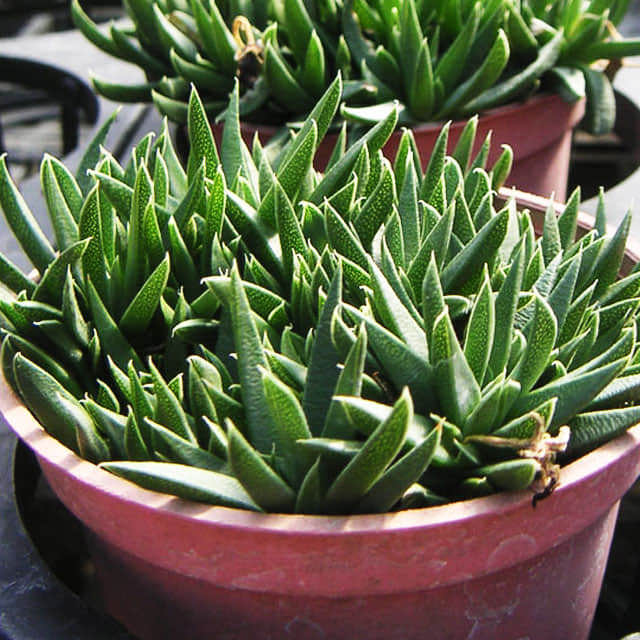
Bergeranthus multiceps Drooping Leaves
eco Drooping Leaves

Bergeranthus multiceps – Drooping Leaves

Why does your Bergeranthus multiceps have drooping leaves? Diagnose the cause and fix it with our step-by-step guide.

search Possible Causes

error

Overwatering and Root Rot

Bergeranthus multiceps is a succulent that stores water in its fleshy stems; excessive moisture causes the roots to decay, preventing the plant from transporting water upward and leading to stem collapse. This is the most common cause of drooping in this species.

Very Common
lightbulb
How to confirm: Gently tug on a drooping stem to see if it feels mushy or comes away easily from the base.
build How to fix it
shopping_cart Recommended Products
1 Immediately remove the plant from its current pot and discard any mushy, blackened, or foul-smelling roots to stop the spread of rot.
2 Repot the plant in a well-draining, gritty succulent mix and use a pot with excellent drainage, such as a Root & Vessel cylinder pot, to prevent future water pooling.
3 Monitor the soil moisture levels closely using an analog moisture meter to ensure the substrate is completely dry before watering again.
error

Underwatering/Dehydration

As a drought-tolerant succulent, Bergeranthus requires periodic deep watering, but if the substrate dries out completely for too long, the turgor pressure in the stems decreases, causing them to lose their upright structure.

Very Common
lightbulb
How to confirm: Check the soil moisture at least two inches deep; if it is bone dry and the stems feel wrinkled, it needs water.
build How to fix it
shopping_cart Recommended Products
1 Check the soil moisture level immediately using a moisture meter to confirm the depth of dehydration.
2 Provide a thorough, deep watering session until water drains from the bottom of the pot to restore turgor pressure.
3 Ensure the plant is in a well-draining substrate, such as a mix containing perlite, to prevent future root rot while maintaining hydration.
warning

Temperature Stress (Extreme Heat or Cold)

Sudden shifts in temperature, particularly frost or temperatures exceeding 90°F (32°C), can cause the plant to go into a defensive state, resulting in wilted or limp stems.

Common
lightbulb
How to confirm: Observe if the drooping coincided with a recent cold snap or an intense heatwave near a window.
build How to fix it
shopping_cart Recommended Products
1 Relocate your plant to a stable environment with a consistent temperature, avoiding drafts, frost, or extreme heat exceeding 90°F.
2 Monitor the soil moisture levels closely during temperature shifts to ensure the plant is not also experiencing drought stress.
3 If the plant shows signs of recovery, apply a diluted liquid seaweed fertilizer to help boost resilience and nutrient uptake.
warning

Nutrient Deficiency

A lack of essential minerals like magnesium or nitrogen in well-draining succulent soil can weaken the cellular structure of the stems, making them unable to support their own weight.

Common
lightbulb
How to confirm: Look for yellowing (chlorosis) on the older stems alongside the drooping symptom.
build How to fix it
shopping_cart Recommended Products
1 Apply a balanced liquid fertilizer to provide essential nitrogen and magnesium to strengthen the plant's cellular structure.
2 Ensure the plant is potted in a highly porous, well-draining medium to prevent nutrient lockout caused by waterlogged soil.
3 Use a soil moisture meter to verify that the drooping is not actually caused by overwatering, which can mimic deficiency symptoms.

Other Bergeranthus multiceps problems

Your plant might also be experiencing one of these issues:

local_hospital All symptoms eco All plants with drooping leaves
favorite