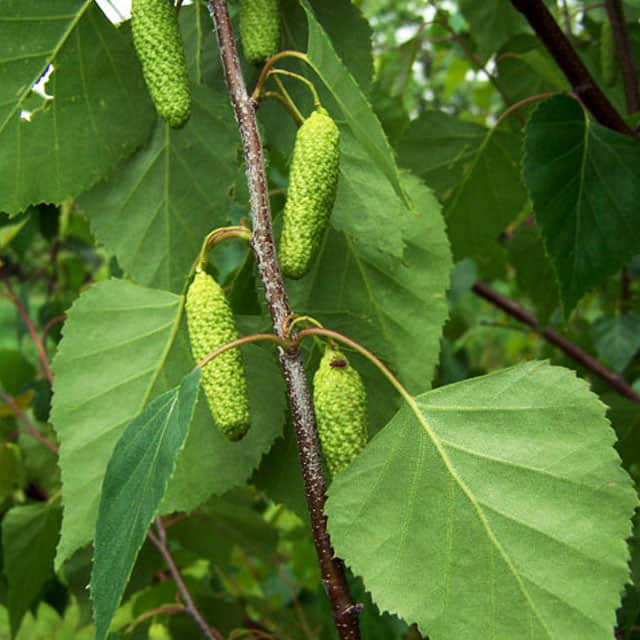
Betula platyphylla Yellow Leaves
eco Yellow Leaves

Betula platyphylla – Yellow Leaves

Why does your Betula platyphylla have yellow leaves? Diagnose the cause and fix it with our step-by-step guide.

pets Pet Friendly

search Possible Causes

error

Drought Stress

Japanese White Birch has a shallow root system and is highly sensitive to water deficits. When the soil dries out completely, the tree cannot maintain leaf turgor, leading to chlorosis (yellowing) and eventual leaf drop.

Very Common
lightbulb
How to confirm: Check the moisture level 2 inches below the soil surface; if it is bone dry, the tree is likely dehydrated.
build How to fix it
shopping_cart Recommended Products
1 Immediately deep-water the soil to ensure moisture reaches the shallow root system, making sure the ground is thoroughly saturated.
2 Monitor soil moisture levels regularly using a moisture meter to prevent the soil from drying out completely in the future.
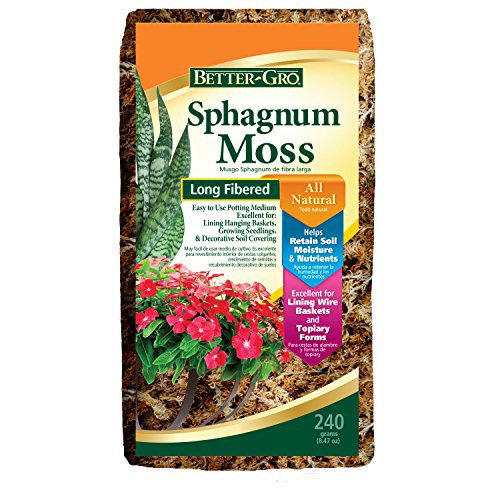
3 Apply a layer of organic mulch around the base of the tree to help retain soil moisture and regulate temperature.
error

Root Rot (Phytophthora)

While they dislike drought, Betula platyphylla also suffers in poorly draining soils. Excessively wet soil leads to fungal pathogens attacking the roots, which restricts nutrient transport and turns leaves yellow.

Very Common
lightbulb
How to confirm: Inspect the base of the trunk for any signs of softening or dark, water-soaked bark patches.
build How to fix it
shopping_cart Recommended Products
1 Immediately inspect the root system for mushy, dark, or foul-smelling roots and prune away any decayed sections using sterilized tools.
2 Repot the birch in a well-draining medium and ensure the container has adequate drainage to prevent water pooling around the roots.
3 Apply a fungicide treatment to combat the Phytophthora pathogen and monitor soil moisture levels closely with a moisture meter to avoid future overwatering.
warning

Nitrogen Deficiency

A lack of available nitrogen prevents the production of chlorophyll. This typically manifests as a uniform yellowing across the entire leaf surface, often starting with older leaves first.

Common
lightbulb
How to confirm: Observe if the yellowing is uniform across the leaf and check if newly applied mulch or compost has been used recently.
build How to fix it
shopping_cart Recommended Products
1 Apply a nitrogen-rich liquid fertilizer to the soil to quickly boost chlorophyll production and green up the foliage.
2 Supplement the soil with an organic nitrogen source like blood meal to provide long-term nutrient availability.
3 Monitor soil moisture levels using a moisture meter to ensure nitrogen is being effectively transported to the roots without causing waterlogging.
warning

Heat Stress / Sunscald

In regions with extreme summer temperatures, the thin leaves of the Japanese White Birch can experience physiological stress. This causes the chlorophyll to break down more rapidly than usual.

Common
lightbulb
How to confirm: Check if the yellowing is accompanied by scorched, crispy edges on the leaf margins during peak afternoon sun.
build How to fix it
shopping_cart Recommended Products
1 Provide immediate relief by moving the plant to a shaded area or applying a temporary shade cloth to protect the leaves from direct, intense sunlight.
2 Monitor soil moisture levels closely to ensure the roots remain hydrated without becoming waterlogged, using a moisture meter to prevent further physiological stress.
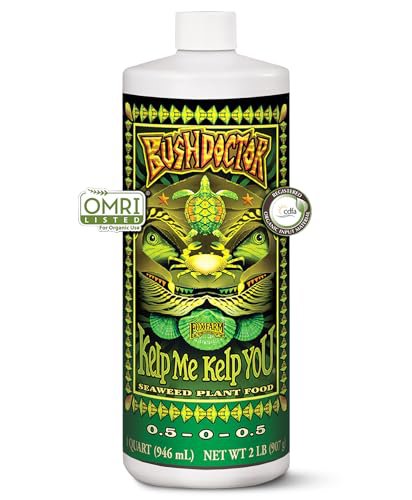
3 Apply a liquid seaweed fertilizer to help the plant recover from environmental stress and boost nutrient uptake during heat waves.

Other Betula platyphylla problems

Your plant might also be experiencing one of these issues:

local_hospital All symptoms eco All plants with yellow leaves
favorite