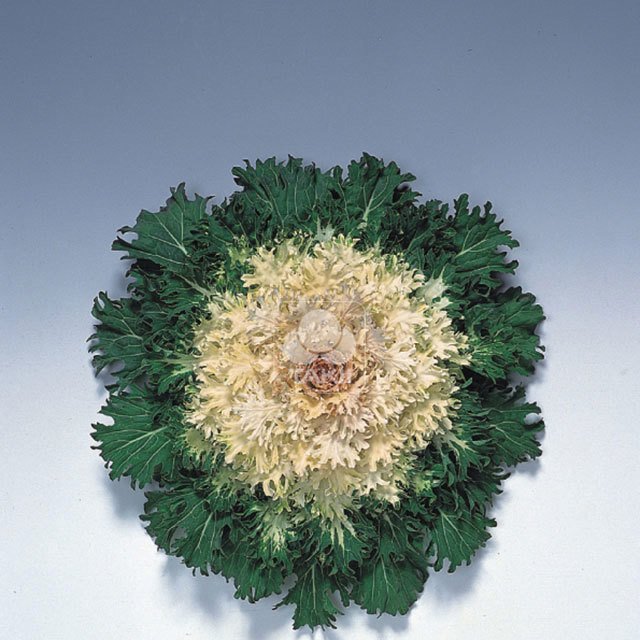
Brassica Coral F1 Feather Prince Brown Leaf Tips
eco Brown Leaf Tips

Brassica Coral F1 Feather Prince – Brown Leaf Tips

Why does your Brassica Coral F1 Feather Prince have brown leaf tips? Diagnose the cause and fix it with our step-by-step guide.

search Possible Causes

error

Salt Accumulation (Fertilizer Burn)

Brassicas are heavy feeders, but excessive application of nitrogen-based fertilizers can cause salts to build up in the substrate. This osmotic stress draws moisture out of the leaf margins, resulting in characteristic brown, crispy tips.

Very Common
lightbulb
How to confirm: Check if you have recently applied high-strength liquid fertilizer or if there is a white crust on the soil surface.
build How to fix it
shopping_cart Recommended Products
1 Flush the soil thoroughly with large amounts of fresh, distilled, or rainwater to leach out the accumulated mineral salts from the substrate.
2 Prune away the most severely burnt, crispy leaves to prevent further aesthetic decline and allow the plant to focus energy on healthy growth.
3 Transition to a diluted fertilization schedule using a balanced organic option to prevent future osmotic stress.
error

Edaphic Drought Stress

Feather Prince kale requires consistent moisture to maintain its structural integrity and color. When the root zone dries out completely, the plant cannot transport water to the furthest extremities of the leaves, leading to tip necrosis.

Very Common
lightbulb
How to confirm: Stick your finger two inches into the soil to see if it feels bone-dry despite recent watering.
build How to fix it
shopping_cart Recommended Products
1 Check the soil moisture level immediately using a moisture meter to confirm if the root zone has reached a critical dry point.
2 Apply a consistent watering schedule to ensure the soil remains moist but not waterlogged, preventing future tip necrosis.
3 Mulch the soil surface with organic matter to help retain moisture and reduce evaporation from the root zone.
warning

Calcium Deficiency (Tip Burn)

In Brassicas, calcium is immobile within the plant and relies on transpiration to reach leaf edges. If transpiration slows due to high humidity or irregular watering, the developing tissue at the tips fails to form cell walls correctly.

Common
lightbulb
How to confirm: Observe if the browning is accompanied by distorted or puckered growth in the center of the rosette.
build How to fix it
shopping_cart Recommended Products
1 Apply a calcium supplement to the soil to address the deficiency and strengthen developing cell walls.
2 Ensure consistent watering by using a moisture meter to prevent the irregular moisture fluctuations that disrupt calcium transport.
3 Improve airflow around the plant to regulate transpiration and prevent high humidity from stalling nutrient uptake.
warning

Temperature Extremes

While ornamental kales are frost-tolerant, sudden exposure to extreme heat waves can cause physiological leaf scorch. High temperatures increase transpiration rates beyond the root system's ability to supply water to the leaf tips.

Common
lightbulb
How to confirm: Review recent weather logs for any period of unusually high daytime temperatures or intense midday sun.
build How to fix it
shopping_cart Recommended Products
1 Monitor soil moisture levels closely during heat waves to ensure the root system can keep up with increased transpiration rates.
2 Provide temporary shade or move the plant to a cooler location to protect delicate foliage from direct, intense sunlight and heat scorch.
3 Apply a consistent watering schedule and consider using a mulch or moisture-retaining substrate to stabilize soil temperature.

Other Brassica Coral F1 Feather Prince problems

Your plant might also be experiencing one of these issues:

local_hospital All symptoms eco All plants with brown leaf tips
favorite