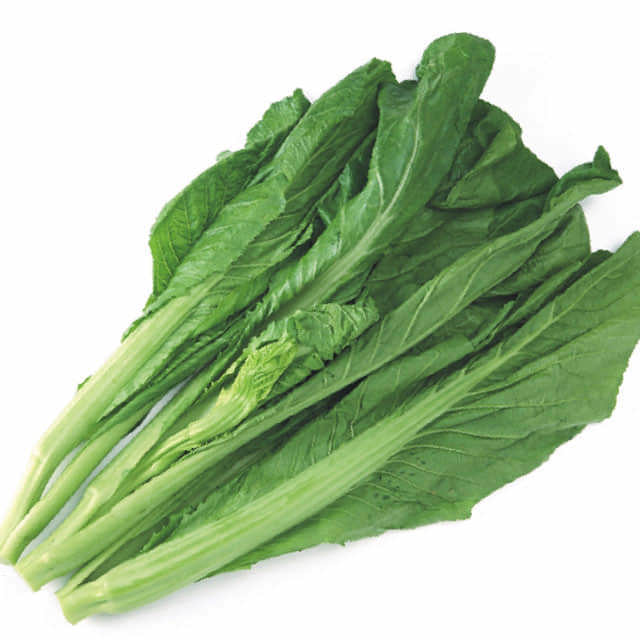
Brassica juncea Yellow Leaves
eco Yellow Leaves

Brassica juncea – Yellow Leaves

Why does your Brassica juncea have yellow leaves? Diagnose the cause and fix it with our step-by-step guide.

search Possible Causes

error

Nitrogen Deficiency

Mustard greens are heavy nitrogen feeders. A lack of available nitrogen prevents the production of chlorophyll, causing older leaves to turn pale yellow before progressing to the new growth.

Very Common
lightbulb
How to confirm: Observe if the yellowing started on the bottom-most, older leaves first.
build How to fix it
shopping_cart Recommended Products
1 Apply a nitrogen-rich organic fertilizer to boost chlorophyll production and green up the foliage.
2 Incorporate organic worm castings into the top layer of the soil to provide a slow-release source of nitrogen and beneficial microbes.
3 Monitor soil moisture levels regularly to ensure the nitrogen is being effectively dissolved and delivered to the roots.
error

Overwatering and Root Hypoxia

Brassica juncea requires consistent moisture but cannot tolerate waterlogged soil. Excess water displaces oxygen in the soil, causing root suffocation and systemic yellowing of the foliage.

Very Common
lightbulb
How to confirm: Press your finger deep into the soil to check if it feels saturated or muddy well below the surface.
build How to fix it
shopping_cart Recommended Products
1 Immediately stop watering and allow the soil to dry out significantly to restore oxygen levels to the root zone.
2 Check the drainage of your container; if water is pooling, repot the mustard greens into a well-draining medium enriched with perlite to prevent future waterlogging.
3 Apply a microbial-based liquid fertilizer to help stimulate root recovery and restore plant vigor.
warning

Temperature Stress (Heat Stress)

Mustard greens are cool-season crops. High temperatures can cause physiological stress, leading to chlorosis and eventual bolting as the plant attempts to complete its life cycle quickly.

Common
lightbulb
How to confirm: Check if the yellowing is accompanied by a rapid elongation of the central stem (bolting).
build How to fix it
shopping_cart Recommended Products
1 Move the plant to a cooler, shaded area or provide temporary shade to reduce heat exposure and slow down the bolting process.
2 Apply a mulch layer around the base of the plant to help regulate soil temperature and retain moisture.
3 Monitor soil moisture levels closely to ensure the plant remains hydrated during heat waves, using a moisture meter for precision.
warning

Iron or Magnesium Deficiency

In alkaline soils, Brassica species struggle to uptake micronutrients. Iron deficiency typically shows as interveinal chlorosis on new leaves, while magnesium deficiency affects older leaves.

Common
lightbulb
How to confirm: Examine if the veins of the leaves remain green while the rest of the leaf tissue turns yellow.
build How to fix it
shopping_cart Recommended Products
1 Apply a magnesium supplement to help restore chlorophyll production and address interveinal chlorosis.
2 Amend your soil with a balanced organic fertilizer to improve overall nutrient availability and counteract alkaline soil effects.
3 Monitor soil pH and moisture levels regularly to ensure the plant can effectively uptake micronutrients.

Other Brassica juncea problems

Your plant might also be experiencing one of these issues:

local_hospital All symptoms eco All plants with yellow leaves
favorite