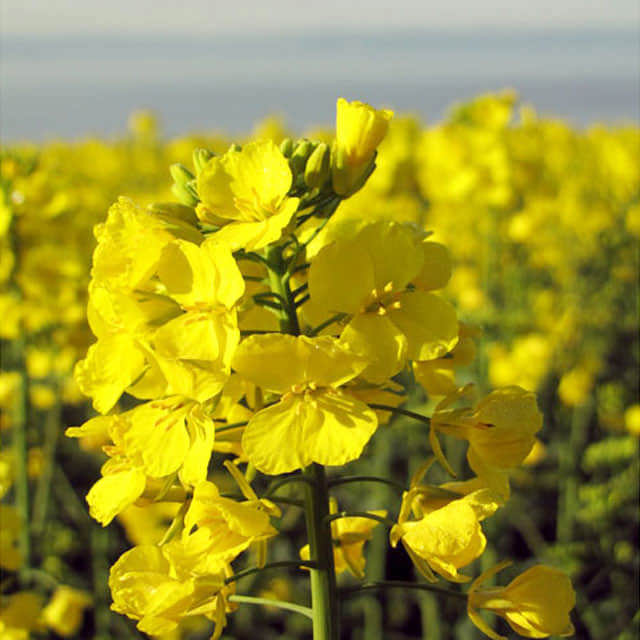
Brassica napus Sticky Leaves
eco Sticky Leaves

Brassica napus – Sticky Leaves

Why does your Brassica napus have sticky leaves? Diagnose the cause and fix it with our step-by-step guide.

search Possible Causes

error

Aphid Infestation

Aphids feed on the phloem of Brassica napus, excreting 'honeydew,' a sticky, sugar-rich substance that coats the leaves. This often leads to secondary issues like sooty mold growth on the leaf surface.

Very Common
lightbulb
How to confirm: Inspect the undersides of young leaves and growing tips for small, pear-shaped insects.
build How to fix it
shopping_cart Recommended Products
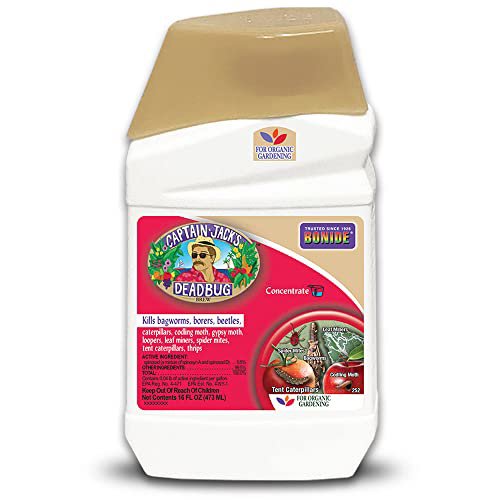
1 Apply an organic insecticide to eliminate the aphid population and stop the production of honeydew.
2 Gently wash the sticky residue and any secondary sooty mold off the leaves using a soft cloth or a gentle stream of water.
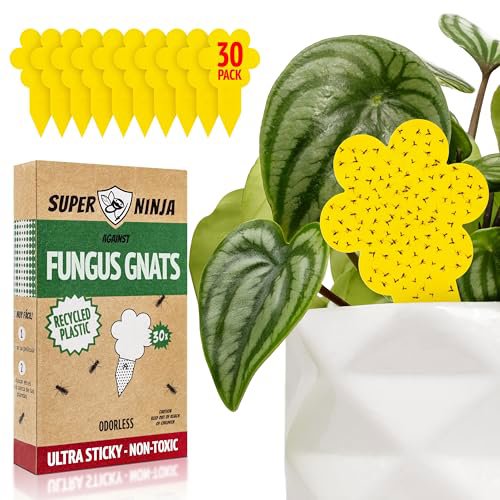
3 Monitor the plant with yellow sticky traps to capture any remaining winged aphids and prevent re-infestation.
warning

Cabbage White Butterfly Larvae (Caterpillars)

While caterpillars primarily consume leaf tissue, their feeding activity can disrupt plant fluids and leave behind sticky frass or saliva residue on the remaining foliage.

Common
lightbulb
How to confirm: Look for irregular holes in the leaves and white, caterpillar-like larvae crawling near the stem.
build How to fix it
shopping_cart Recommended Products
1 Inspect the undersides of leaves for white larvae and remove them manually or use an organic insecticide to eliminate the caterpillar population.
2 Wash the sticky residue off the foliage using a gentle stream of water or a soft cloth to prevent secondary fungal growth.
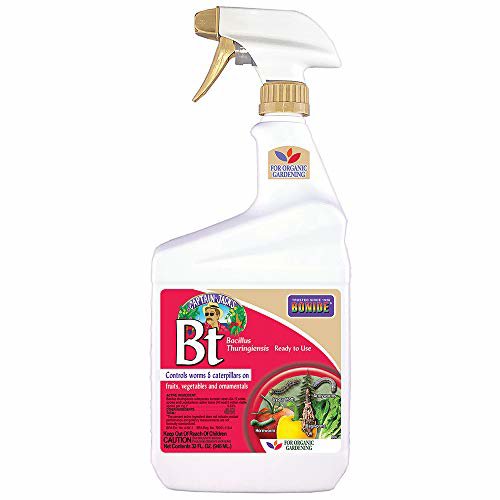
3 Apply a biological control to protect remaining plant tissue from future feeding damage.
warning

Sooty Mold following Sap Leakage

While not a primary cause, a dark, sticky coating often appears when other pests have left honeydew behind. The mold itself is a fungus that grows on the sugary residue produced by insects.

Common
lightbulb
How to confirm: Check if the stickiness is accompanied by a black, powdery substance that can be wiped off the leaf surface.
build How to fix it
shopping_cart Recommended Products
1 Identify and eliminate the underlying pests (such as aphids or whiteflies) that are producing the sticky honeydew by applying an organic insecticide.
2 Gently wash the dark sooty mold off the leaves using a soft cloth or a controlled spray of water to restore the plant's ability to photosynthesize.
3 Apply a fungicide treatment to prevent the spread of the mold and protect healthy plant tissues.
warning

Scale Insects

Scale insects attach themselves to the stems and leaves of canola, sucking sap and secreting honeydew that creates a tacky residue on the plant surfaces.

Common
lightbulb
How to confirm: Examine the stems for small, immobile, bump-like structures that may resemble part of the plant bark.
build How to fix it
shopping_cart Recommended Products
1 Apply an organic insecticide spray to the plant to eliminate the scale insects and stop the secretion of honeydew.
2 Gently wipe the sticky residue off the leaves with a soft cloth and water to prevent the growth of sooty mold.
3 Inspect the undersides of leaves and stems for any remaining scale insects to prevent a secondary infestation.

Other Brassica napus problems

Your plant might also be experiencing one of these issues:

local_hospital All symptoms eco All plants with sticky leaves
favorite