Brassica oleracea gongylodes group Fine Webbing
eco Fine Webbing

Brassica oleracea gongylodes group – Fine Webbing

Why does your Brassica oleracea gongylodes group have fine webbing? Diagnose the cause and fix it with our step-by-step guide.

pets Pet Friendly

search Possible Causes

error

Two-Spotted Spider Mite Infestation

These mites thrive in warm, dry conditions and feed on the undersides of Kohlrabi leaves, secreting silk that creates a fine web. This feeding activity causes stippling (small white dots) and eventual leaf yellowing.

Very Common
lightbulb
How to confirm: Hold a white piece of paper underneath a leaf and tap the leaf to see if tiny crawling dots fall onto the paper.
build How to fix it
shopping_cart Recommended Products
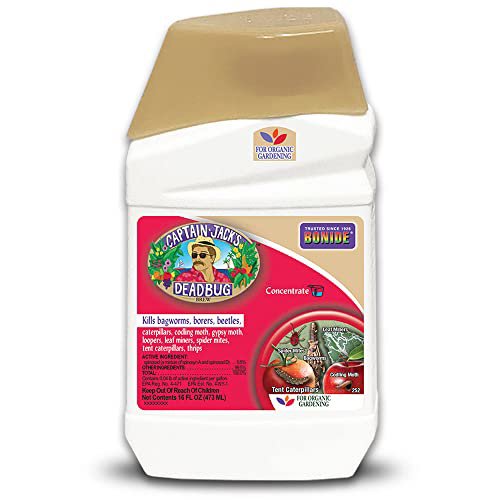
1 Apply an organic miticide to eliminate the spider mite population and destroy eggs, larvae, and adults.
2 Increase humidity and reduce heat around the Kohlrabi by misting the leaves or using a humidifier to make the environment less hospitable for mites.
3 Prune and dispose of heavily infested or yellowing leaves to prevent the mites from spreading further throughout the plant.
error

Tetranychus urticae (European Red Spider Mite) Outbreak

A specific species of mite highly common in Brassica crops that produces dense webbing, especially around the developing swollen stems and leaf axils. High humidity levels can sometimes hide their presence until the web becomes prominent.

Very Common
lightbulb
How to confirm: Inspect the underside of the leaves for tiny reddish or yellowish moving specks.
build How to fix it
shopping_cart Recommended Products
1 Apply an organic miticide/insecticide spray to the plant, ensuring you coat the undersides of leaves and the swollen stems where webbing is most dense.
2 Increase local humidity around the Kohlrabi to make the environment less favorable for spider mite reproduction and prevent further outbreaks.
3 Carefully prune and dispose of heavily infested leaves to reduce the mite population and prevent the webbing from spreading to healthy parts of the plant.
warning

Fall Webworm (Dryadiaፈላ)

While more common in woody plants, certain moth larvae can create silk structures in leafy Brassicas. These webs are typically thicker and more localized to clusters of leaves than spider mite webbing.

Common
lightbulb
How to confirm: Check inside the webbed areas for small green caterpillars or cocoons.
build How to fix it
shopping_cart Recommended Products
1 Inspect the plant closely for larvae and remove any visible caterpillars or thick silk clusters by hand to reduce the immediate infestation.
2 Apply an organic insecticide spray to the affected foliage to target any remaining larvae and prevent further webbing formation.
3 Monitor the plant regularly using yellow sticky traps to capture any adult moths before they can lay new eggs on the leaves.

Other Brassica oleracea gongylodes group problems

Your plant might also be experiencing one of these issues:

local_hospital All symptoms eco All plants with fine webbing
favorite