Brassica oleracea Storka F1 Drooping Leaves
eco Drooping Leaves

Brassica oleracea Storka F1 – Drooping Leaves

Why does your Brassica oleracea Storka F1 have drooping leaves? Diagnose the cause and fix it with our step-by-step guide.

search Possible Causes

error

Water Stress (Underwatering)

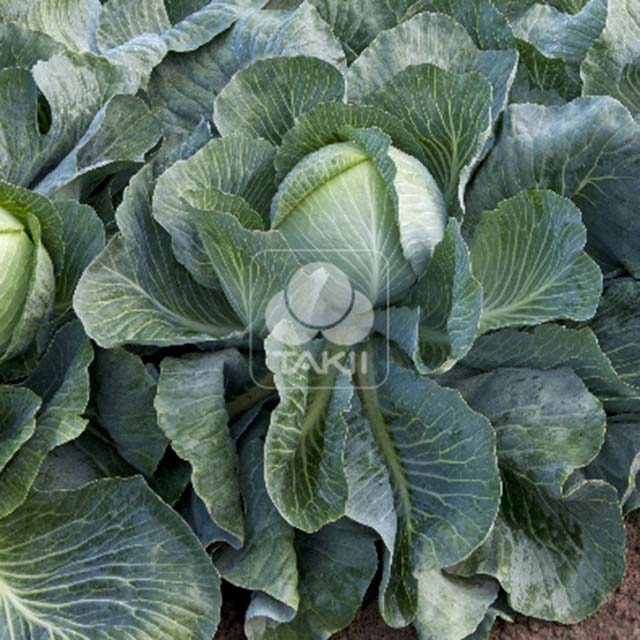
Cabbages like Storka F1 have high water content and large leaf surface areas, making them highly susceptible to transpiration loss. When soil moisture is depleted, the plant loses turgor pressure, causing the leaves to wilt or droop.

Very Common
lightbulb
How to confirm: Stick your finger 2 inches into the soil; if it feels dry, the plant requires immediate irrigation.
build How to fix it
shopping_cart Recommended Products
1 Immediately check the soil moisture level at the root zone to confirm the depth of dehydration.
2 Apply a deep, thorough watering to the base of the plant to restore turgor pressure and rehydrate the soil.
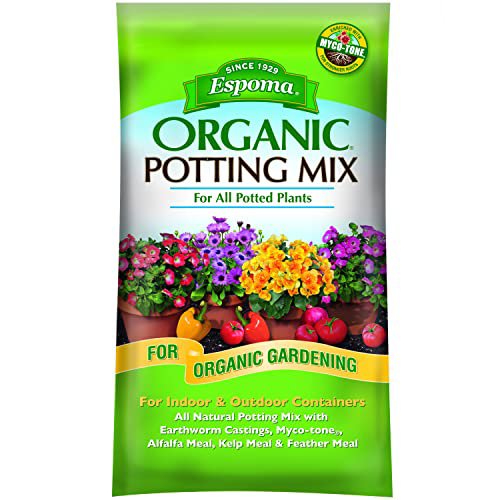
3 Apply a layer of organic mulch or organic soil amendment to help the soil retain moisture more effectively.
error

Root Rot (Overwatering/Poor Drainage)

Excessive moisture in the growing medium deprives roots of oxygen, leading to fungal pathogens like Pythium. This damages the vascular system of the Storka F1 plant, preventing it from transporting water to the leaves despite wet soil.

Very Common
lightbulb
How to confirm: Check if the soil is saturated and inspect the roots for a brown, slimy texture instead of healthy white tips.
build How to fix it
shopping_cart Recommended Products
1 Immediately reduce watering frequency and ensure the plant is in a container with excellent drainage to allow the root zone to dry out.
2 Repot the cabbage in a fresh, well-aerated medium enriched with perlite to improve oxygen levels and prevent further rot.
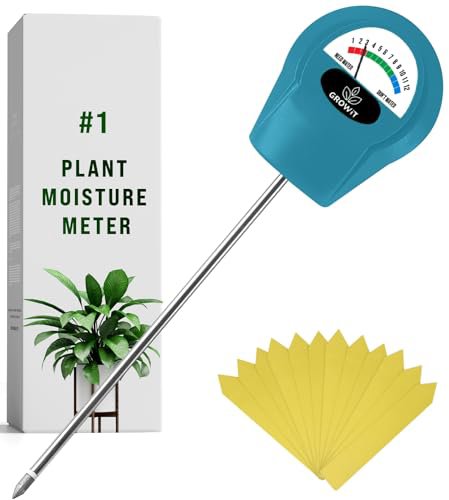
3 Monitor the soil moisture levels closely using a meter to ensure you only water when the top inch of soil is dry.
warning

Nitrogen Deficiency

Storka F1 is a heavy feeder that requires significant nitrogen for leaf development. A lack of nitrogen reduces the plant's structural integrity and ability to maintain turgidity, leading to limp, pale green leaves.

Common
lightbulb
How to confirm: Observe if the older, lower leaves are turning pale yellow along with the drooping symptom.
build How to fix it
shopping_cart Recommended Products
1 Apply a nitrogen-rich liquid fertilizer to provide immediate nutrient uptake and restore leaf turgidity.
2 Incorporate an organic nitrogen source into the soil to support long-term vegetative growth and structural strength.
3 Monitor soil moisture levels using a moisture meter to ensure the plant can effectively absorb the newly applied nutrients.
warning

Fusarium Wilt

This soil-borne fungal pathogen invades the vascular tissues (xylem) of Brassica species, physically blocking water movement. Symptoms often manifest as progressive drooping and yellowing of the leaves starting from the bottom.

Common
lightbulb
How to confirm: Cut a small section of the stem to check for internal brown discoloration in the vascular bundles.
build How to fix it
shopping_cart Recommended Products
1 Remove and destroy the infected plant immediately to prevent the soil-borne fungus from spreading to healthy plants in your garden.
2 Sterilize all gardening tools, such as your pruning shears, with alcohol to avoid spreading fungal spores to other Brassica crops.
3 Improve soil drainage and aeration by incorporating perlite or coarse sand into the planting area to reduce the moisture levels that favor Fusarium growth.

Other Brassica oleracea Storka F1 problems

Your plant might also be experiencing one of these issues:

local_hospital All symptoms eco All plants with drooping leaves
favorite