Brassica Songbird F1 Round Pink Tiny Black Flies
eco Tiny Black Flies

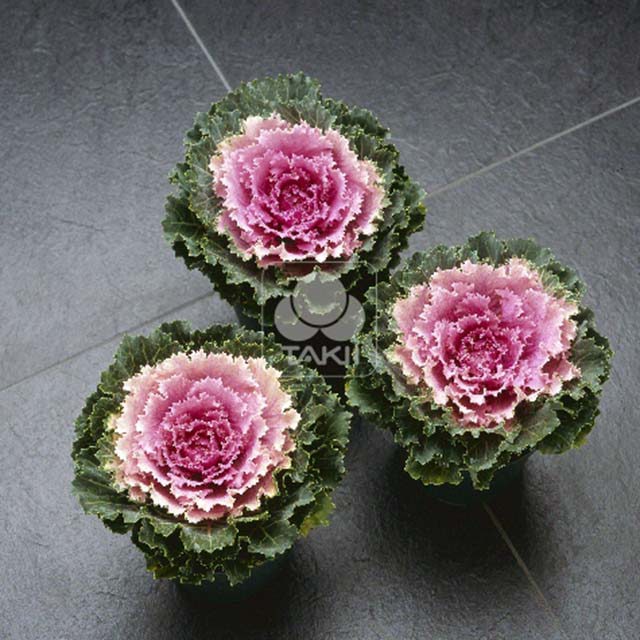
Brassica Songbird F1 Round Pink – Tiny Black Flies

Why does your Brassica Songbird F1 Round Pink have tiny black flies? Diagnose the cause and fix it with our step-by-step guide.

search Possible Causes

error

Fungus Gnats

These tiny black flies thrive in the moist, organic-rich soil preferred by ornamental Brassicas. The larvae feed on decaying organic matter and fine root hairs, which can weaken the plant's structural integrity.

Very Common
lightbulb
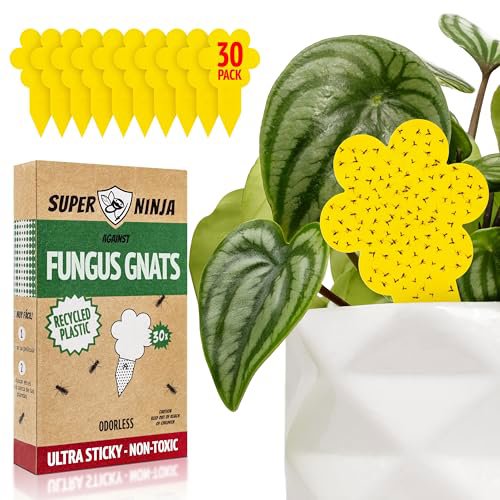
How to confirm: Place a yellow sticky trap near the base of the kale to see if small dark flies are captured.
build How to fix it
shopping_cart Recommended Products
1 Deploy yellow sticky traps to capture the adult flying gnats and disrupt their breeding cycle.
2 Allow the top inch of soil to dry out completely between waterings to eliminate the moist environment required for larvae survival.
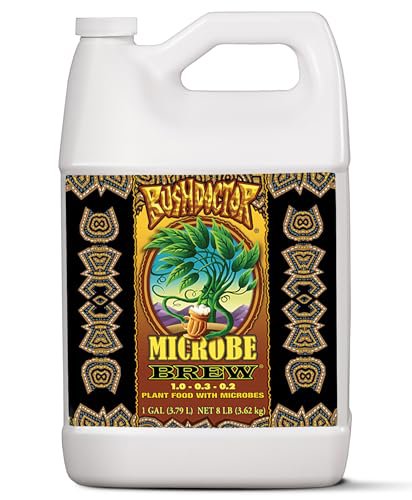
3 Apply a microbial-based soil drench to target the larvae living in the organic matter.
warning

Black Bean Aphids

While usually sedentary, these small dark insects can appear as moving black specks on the underside of Brassica leaves. They suck sap from the tender foliage, causing stunted growth and leaf curling.

Common
lightbulb
How to confirm: Check the undersides of the pinked leaves for clusters of small, dark, soft-bodied insects.
build How to fix it
shopping_cart Recommended Products
1 Apply an organic insecticide spray to the undersides of the leaves to eliminate the aphid population on contact.
2 Use yellow sticky traps near the plant to capture flying adults and monitor for further infestations.
3 Prune and dispose of heavily infested or curled leaves to prevent the aphids from spreading to healthy foliage.
warning

Sciarid Flies (Dark Wing Fungus Gnats)

Similar to fungus gnats, these flies are attracted to the high humidity often found around dense ornamental kale clusters. They thrive in soil that stays consistently wet, which is common in decorative container plantings.

Common
lightbulb
How to confirm: Tap the surface of the soil and observe if tiny flies immediately take flight from the substrate.
build How to fix it
shopping_cart Recommended Products
1 Reduce watering frequency to allow the top inch of soil to dry out, as Sciarid flies thrive in consistently wet environments.
2 Deploy yellow sticky traps to capture the adult flies and disrupt their breeding cycle.
3 Apply a microbial-based soil treatment to target the larvae living in the organic matter.

Other Brassica Songbird F1 Round Pink problems

Your plant might also be experiencing one of these issues:

local_hospital All symptoms eco All plants with tiny black flies
favorite