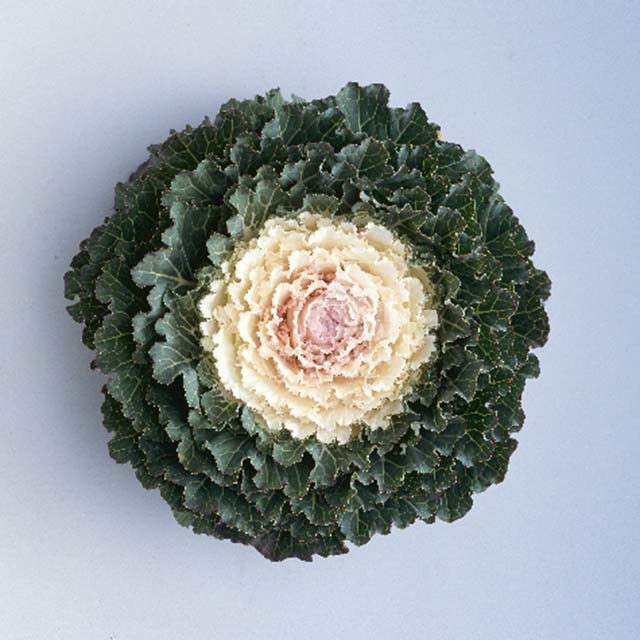
Brassica Songbird F1 Round White Fine Webbing
eco Fine Webbing

Brassica Songbird F1 Round White – Fine Webbing

Why does your Brassica Songbird F1 Round White have fine webbing? Diagnose the cause and fix it with our step-by-step guide.

pets Pet Friendly

search Possible Causes

error

Two-Spotted Spider Mites (Tetranychus urticae)

These microscopic arachnids thrive in warm, dry conditions and feed on the underside of Brassica leaves, injecting toxins that cause stippling and silk production. The fine webbing is a characteristic protective structure used by mite colonies to move across the plant.

Very Common
lightbulb
How to confirm: Hold a white piece of paper underneath a leaf and tap it sharply to see if tiny specks begin to crawl.
build How to fix it
shopping_cart Recommended Products
1 Immediately spray the plant with an organic miticide to eliminate the mite colony and destroy eggs, larvae, and adults.
2 Increase humidity and reduce heat around the plant, as spider mites thrive in warm, dry environments.
3 Check the undersides of all leaves regularly using a magnifying glass to catch any new webbing before it spreads.
warning

Edible Mite/Small Spider Species

Non-pest spider species may build small, isolated webs on the foliage of ornamental cabbages while hunting smaller insects. Unlike spider mite infestations, this webbing usually lacks widespread leaf stippling or yellowing.

Common
lightbulb
How to confirm: Inspect the web for moving organisms and check if the leaves underneath remain healthy and green.
build How to fix it
shopping_cart Recommended Products
1 Inspect the undersides of leaves for tiny moving dots or stippling to confirm if the webbing is from predatory spiders or actual spider mites.
2 If you notice small pests moving within the webs, apply an organic insecticide spray to eliminate the infestation.
3 Gently prune and dispose of any heavily webbed foliage to prevent the spread of any potential pests.
warning

Thrips Infestation

While thrips are primarily known for silvery scarring on Brassica leaves, heavy infestations can sometimes be associated with secondary webbing or silk from other small insects attracted to the damaged plant tissue.

Common
lightbulb
How to confirm: Look closely at the leaf edges for tiny, slender, dark-colored insects moving rapidly.
build How to fix it
shopping_cart Recommended Products
1 Apply an organic insecticide to eliminate the thrips and any secondary pests causing the webbing.
2 Inspect the plant closely for any other pests and use a soft, damp cloth to wipe away the webbing and debris from the leaves.
3 Monitor the plant's moisture levels to ensure the soil is not too dry, as stressed plants are more susceptible to infestations.

Other Brassica Songbird F1 Round White problems

Your plant might also be experiencing one of these issues:

local_hospital All symptoms eco All plants with fine webbing
favorite


