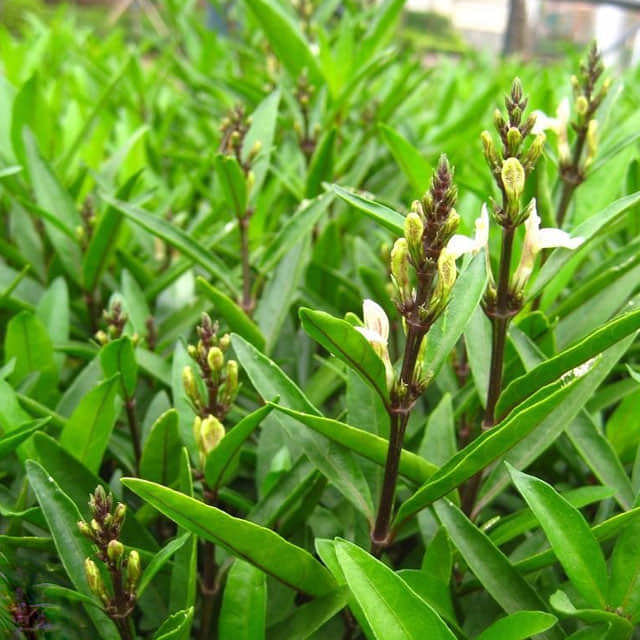
Why does your Buddleja asiatica have sticky leaves? Diagnose the cause and fix it with our step-by-step guide.
Aphids are small, soft-bodied insects that pierce the tender new growth of Buddleja asiatica to suck sap, excreting a sugary substance called honeydew. This honeydew creates the characteristic sticky film on the leaf surfaces.
Scale insects attach themselves to the stems and leaf petioles of the butterfly bush, feeding on sap and leaving behind sticky residue. Unlike aphids, they often look like stationary, waxy bumps or small bumps on the plant tissue.
Whiteflies congregate on the undersides of Buddleja leaves; as they feed, they produce honeydew that coats the foliage. A tell-tale sign is a cloud of tiny white insects released when the plant is disturbed.
While not the primary cause of stickiness, sooty mold is a black fungus that grows specifically on the honeydew left by sap-sucking insects. It can eventually coat the Buddleja leaves in a dark, powdery layer, hindering photosynthesis.

 English
 Italiano